US and Iran ‘getting a lot closer’ to an agreement to end war, Trump says
Donald Trump Claims US and Iran Near Agreement to Cease Middle East Conflict US and Iran getting a lot closer - On Saturday, U.S.

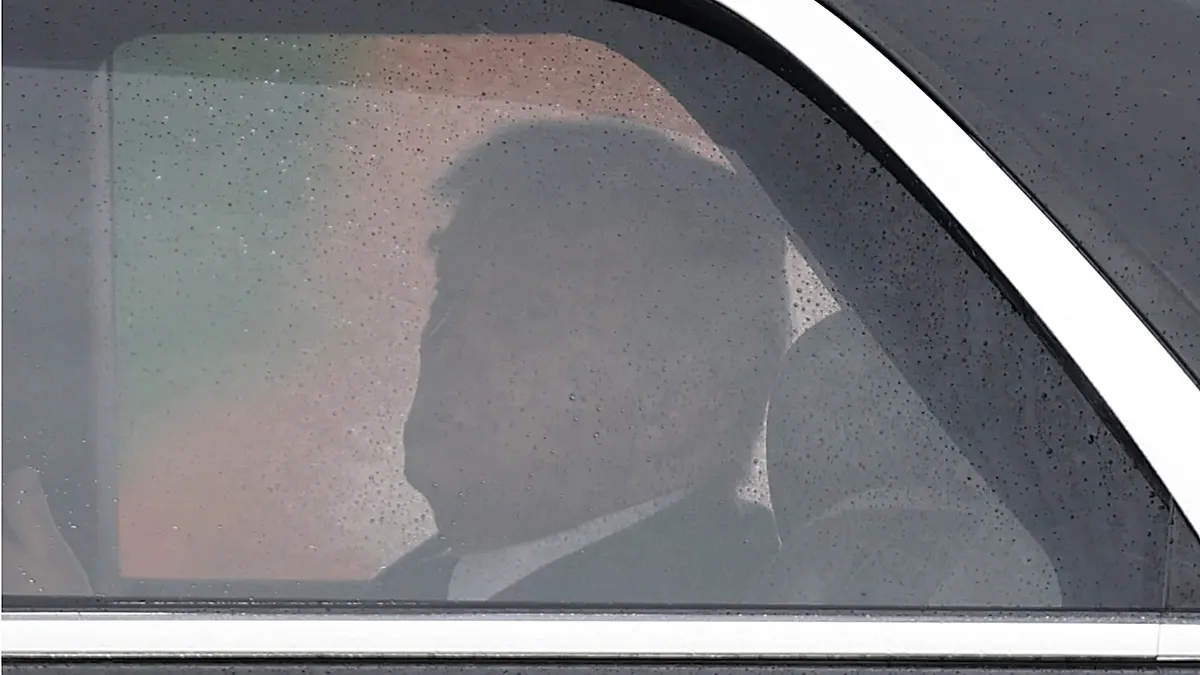
Donald Trump Claims US and Iran Near Agreement to Cease Middle East Conflict
Poinews.com – On Saturday, U.S. President Donald Trump revealed that the United States and Iran are moving significantly toward an agreement to halt the ongoing conflict in the Middle East. In a phone interview with CBS, the leader emphasized that the two nations are “getting a lot closer” to resolving hostilities, suggesting that diplomatic progress has gained momentum despite persistent tensions. However, Trump also issued a stark warning, stating that if an agreement is not reached, “no country will ever be hit as hard as they’re about to be hit.” This remark underscored the potential consequences of continued escalation, which could disrupt global stability and economic networks.
Regional Officials Confirm Diplomatic Momentum
Earlier that same day, two regional officials and a diplomat, who requested anonymity, confirmed that a memorandum of understanding aimed at ending the war is within reach. These unnamed sources indicated that the proposal, drafted by Pakistan, has garnered significant support from both sides. “The agreement is nearly finalized,” one official stated, highlighting the collaborative efforts between the U.S. and Iran. The spokesperson added that the final decision could be made within 48 hours, as both parties evaluate the document’s terms.
The Iranian government has signaled a willingness to narrow its differences with Washington, following discussions in Tehran with Pakistan’s army chief. State media reported that Iran’s foreign ministry spokesperson, Esmail Baghaei, described the draft agreement as a “framework” for peace, acknowledging that it addresses the core issues of the war. Baghaei emphasized that the agreement must include “the main points required for ending the imposed war” and other critical concerns, with detailed discussions planned over the next 30 to 60 days.
Strategic Focus on Ceasefire and Economic Concerns
Baghaei highlighted that the Strait of Hormuz is a central topic in negotiations, as it remains a vital corridor for global energy and trade. “The trend in recent days has been toward reducing divergences,” he noted, while cautioning that the outcome will depend on the next few days. The Iranian official stressed that nuclear issues are not currently part of the talks, as Tehran prioritizes ending the war before addressing its nuclear program. “Our primary objective is to conclude the war on all fronts, including Lebanon,” Baghaei said, reiterating that lifting sanctions on Iran is a non-negotiable demand.
Meanwhile, U.S. Secretary of State Marco Rubio, speaking in New Delhi, echoed the progress being made. “Even as I speak to you now, there is some work being done,” Rubio stated. He hinted that a breakthrough might occur later that day or in the coming days, although the exact timeline remains uncertain. Rubio reaffirmed Washington’s stance, insisting that Iran must relinquish its enriched uranium and ensure the Strait of Hormuz remains open. These conditions, he argued, are essential to preventing further conflict and securing Iran’s compliance with international standards.
War Resumes Amid Diplomatic Efforts
The war between the U.S. and Iran began on February 28, when Washington launched strikes against Iranian targets, abruptly ending previous negotiations. In response, Iran effectively closed the Strait of Hormuz, a critical waterway for oil shipments, causing economic ripples worldwide. The U.S. then imposed a naval blockade on Iranian ports, which has since disrupted commercial traffic. According to U.S. Central Command, over 100 vessels have been redirected, and four have been disabled since the conflict began on April 13.
Despite these hostilities, the U.S. and Iran have shown a willingness to engage in dialogue. Trump, who had previously set deadlines for Tehran and later postponed them, is currently holding off on a military strike due to ongoing talks. He cited the support of Middle Eastern allies as a reason for the delay. However, the unpredictability of the U.S. stance has left some uncertainty, with the threat of renewed attacks looming.
Key Players and Remaining Challenges
During his visit to Tehran, Pakistan’s army chief, Asim Munir, engaged in meetings with Iranian officials, including Foreign Minister Abbas Araghchi and President Masoud Pezeshkian. These interactions, according to the regional sources, are part of Islamabad’s effort to facilitate a second round of direct talks. The diplomat also mentioned that the Revolutionary Guard’s leader, Brig. Gen. Ahmad Vahidi, remains a pivotal figure in Iran’s negotiations, though it is unclear whether he participated in the recent discussions.
Parliament Speaker Mohammad Bagher Qalibaf, who met with Munir, described the current situation as a “fragile ceasefire” following weeks of intense fighting. He warned that if Trump resumes attacks, the conflict could become “more crushing and more bitter” than its initial phase. This sentiment reflects Iran’s determination to secure a lasting peace, even as it prepares to address nuclear concerns in future stages of the talks.
Public Statements and Political Stakes
Trump’s comments during the CBS interview painted a hopeful picture of the diplomatic process. “We are making substantial strides,” he said, while acknowledging the challenges ahead. However, the president’s history of setting and retracting deadlines has raised questions about the sincerity of his efforts. “There’s been some progress made,” Rubio said, but he also noted that the U.S. is still firm on its strategic objectives. The diplomat added that the agreement must “include the main issues required for ending the imposed war,” with nuclear matters left for later discussions.
Iran’s state television reported that the draft proposal, which outlines a mutual understanding, has been positively received. Yet, the nation’s leaders have not yet fully committed, as they remain cautious about the U.S.’s reliability. Baghaei emphasized that the agreement must be “reasonable” and reflect the interests of both parties, while also addressing the economic and military impacts of the war. “We want to ensure that this framework is comprehensive and durable,” he stated, underscoring the importance of patience in the negotiations.
Broader Implications for the Region
The potential resolution of the U.S.-Iran conflict carries significant implications for the Middle East. A successful agreement could pave the way for renewed cooperation between the two powers, easing tensions in countries like Lebanon and Syria. However, the recent actions of the U.S. and its allies have highlighted the precarious nature of the peace process. As the talks progress, the focus will likely shift to implementing the terms and ensuring compliance, which could test the durability of the agreement.
With both sides recognizing the need for a ceasefire, the coming days will be crucial in determining the fate of the conflict. Trump’s latest statements suggest optimism, but the political and military stakes remain high. As the world watches, the outcome of these negotiations may reshape the balance of power in the region and influence international relations for years to come.
“We want this to include the main issues required for ending the imposed war and other issues of essential importance to us. Then, over a reasonable time span, between 30 to 60 days, details are discussed and ultimately a final agreement is reached,” said Esmail Baghaei.
“There is some work being done. There is a chance that whether it’s later today, tomorrow, in a couple days we may have something to say,” Rubio remarked.
“Our focus at this stage is on ending the war on all fronts, including Lebanon,” Baghaei added.