‘Electrification is the answer to save Europe’s industry,’ IEA tells Euronews
Industry Electrification is the answer to save - The International Energy Agency (IEA) has asserted that electrification is the answer to save Europe’s

Electrification is the Answer to Save Europe’s Industry
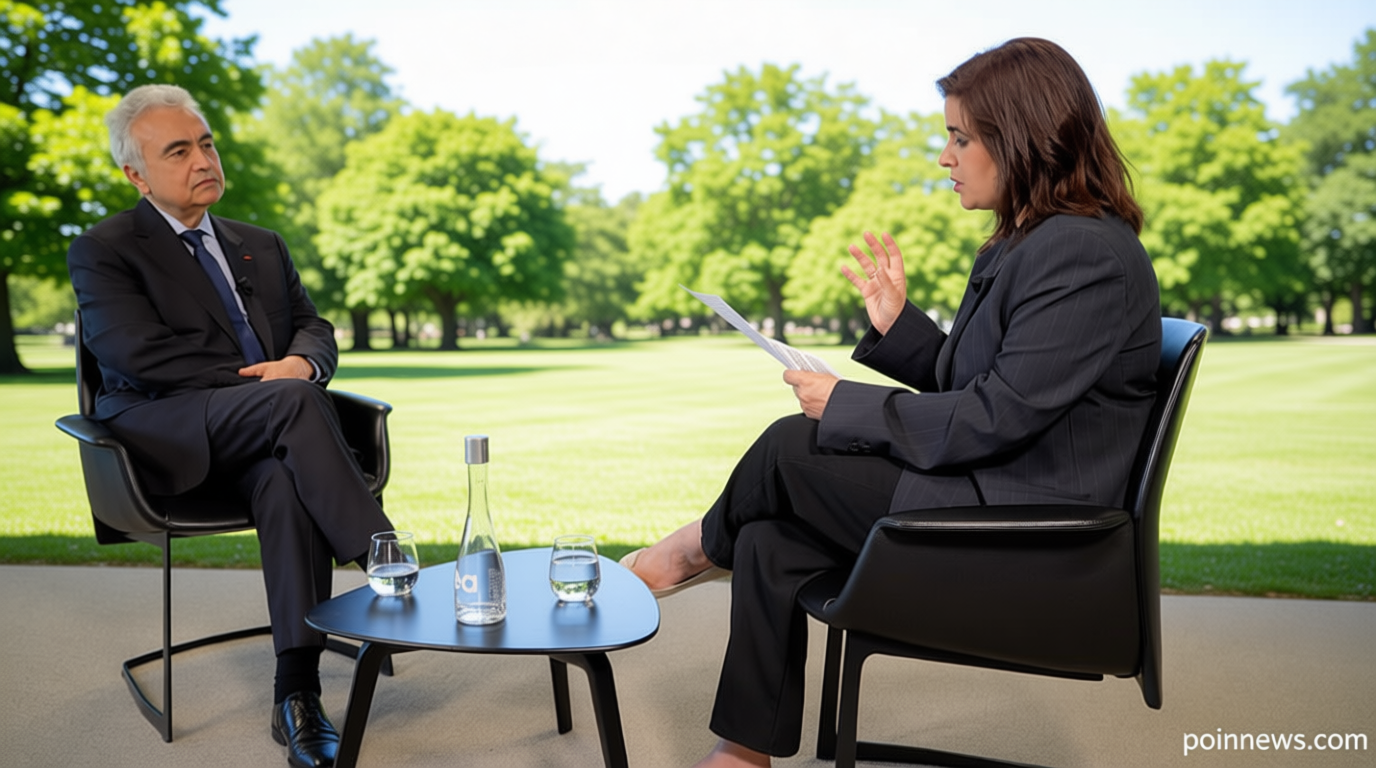
Poinews.com – The International Energy Agency (IEA) has asserted that electrification is the answer to save Europe’s industrial sector from the growing energy crisis. Fatih Birol, the IEA’s chief executive, highlighted in a recent Euronews interview that transitioning key industries to electric systems is critical for preserving the EU’s economic stability and industrial competitiveness. This strategy, he explained, addresses the urgent need to reduce reliance on fossil fuels and stabilize energy costs in the face of geopolitical tensions and supply disruptions.
Energy Mix and the Path to Decarbonization
Birol outlined that electricity can be sourced from renewables, nuclear power, and natural gas, advocating for a comprehensive electrification plan. By expanding the use of these diverse energy forms, Europe can reduce its dependence on imported oil and gas, which currently account for over 60% of its energy supply. The IEA emphasized that this shift would not only bolster energy security but also support the continent’s climate goals, ensuring industries remain operational without compromising sustainability.
“We can generate electricity from renewables, nuclear power and perhaps natural gas, and we should electrify our economies as much as possible,” Birol stated, underscoring the necessity of this transition to secure Europe’s industrial future.
Electrification is the answer to save Europe’s industry from the pressures of rising energy prices and global competition. Recent conflicts in the Middle East have intensified energy price volatility, with the closure of the Strait of Hormuz halting 20% of global oil and gas supplies. This has led to surging household energy bills, which now threaten the viability of heavy industries. The IEA’s report stresses that electrification can mitigate these risks by diversifying energy sources and reducing exposure to fossil fuel price shocks.
Challenges and Strategic Delays
Despite the IEA’s endorsement, electrification is the answer to save Europe’s industry faces hurdles. The European Commission’s delayed energy strategy, slated for release on 22 July, has sparked debates about the pace of implementation. Industry leaders warn that without robust infrastructure and consumer adaptation, the transition could stall. Key obstacles include insufficient EV charging networks, limited energy storage, and the potential for grid overloads.
These challenges highlight the importance of electrification is the answer to save Europe’s industry. The IEA noted that electricity-related spending has surged to nearly 60% of global energy investment, reflecting a strong commitment to decarbonization. However, the success of this approach depends on overcoming logistical and financial barriers, which require coordinated efforts across member states and sectors.
France’s Leadership in the Electrification Drive
France has positioned itself as a frontrunner in electrification initiatives, with a 22-point plan to cut fossil fuel dependence from 60% to 30% by 2035. President Emmanuel Macron emphasized that electrification is the answer to save Europe’s industry, citing the country’s stable energy prices and strategic investments in renewable and nuclear power. The plan also includes expanding EV charging infrastructure and promoting heat pump adoption to reduce reliance on traditional heating systems.
“France can be proud of being a major electricity power in the current geopolitical context,” Macron remarked, framing electrification as a vital tool for enhancing energy sovereignty and economic resilience.
Electrification is the answer to save Europe’s industry, as demonstrated by France’s national strategy. The government has committed to installing 240,000 additional EV charging points and launching subsidized leasing programs for low-income households. Meanwhile, automakers like Stellantis are investing over €1 billion in new electric vehicle projects, signaling a broader industry shift toward sustainable production. These actions align with the IEA’s vision of a resilient and low-carbon industrial future.