Ukraine keeps up long-range strikes on Russian export and oil facilities as pressure on Moscow builds
Ukraine keeps up long range strikes against Russian export terminals and oil facilities as mounting pressure on Moscow intensifies. Ukrainian forces launched

Ukraine Keeps Up Long Range Strikes on Russian Energy Infrastructure
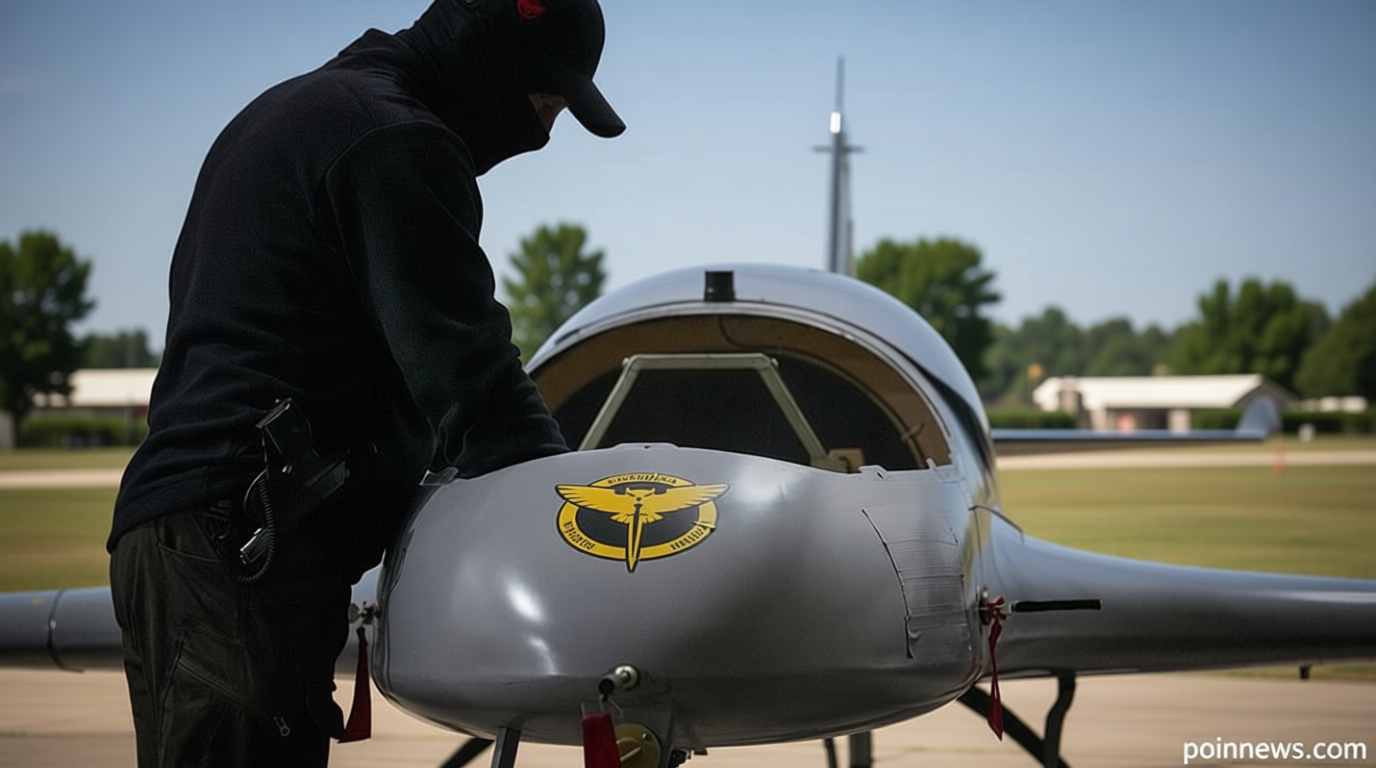
Poinews.com – Ukraine keeps up long range strikes against Russian export terminals and oil facilities as mounting pressure on Moscow intensifies. Ukrainian forces launched hundreds of drones toward Russian territory on Monday, focusing their campaign on critical energy infrastructure that supports the war effort. President Volodymyr Zelenskyy highlighted the effectiveness of these operations in a Facebook post, noting that Ukrainian long-range sanctions successfully struck targets in the Rostov region.
“Last night, our long-range sanctions were effective in the Rostov region. An export terminal approximately 250 kilometres from the front line was hit,” Zelenskyy stated.
Deep Strikes Hit Facilities Across Russia
The coordinated attacks extended well beyond the border regions, with deep strikes reaching oil facilities in the Yaroslavl region and the Udmurt Republic, located 1,300 kilometres from Ukraine’s state border. Russian authorities reported that five individuals lost their lives in the Rostov strikes, including one child. The explosions ignited multiple structures, setting fire to residential apartment blocks and commercial warehouses in the affected areas.
Meanwhile, the Belgorod region experienced significant damage from Ukrainian drone operations. Regional officials confirmed that twelve people sustained injuries in the attacks, with two of them being children. An apartment building caught fire during the assault, adding to the growing list of civilian casualties and property damage across Russian border territories.
Ukraine has substantially escalated its retaliatory operations in recent months, employing these deep strikes as a strategic tool to pressure Moscow toward negotiations. After nearly four-and-a-half years of conflict, Kyiv has demonstrated its ability to strike Russian towns as far as the Urals and Siberia. While most Ukrainian attacks have focused on energy infrastructure, casualties from deep strikes into Russian territory remain relatively rare.
Robert Brovdi, commander of Ukraine’s Unmanned Systems Forces, reported that Ukrainian drones attacked fourteen energy facilities in Russian-occupied Crimea over the past three days. These sustained operations on Russian energy infrastructure have triggered widespread power outages, created fuel shortages, and disrupted daily life more severely than at any point during Moscow’s offensive. Ukrainian officials maintain that these retaliatory strikes serve dual purposes: weakening Russia’s military capabilities and compelling the Kremlin to negotiate a peaceful resolution.
On the Ukrainian side, Russian attacks continued to inflict casualties across the country. Regional authorities documented at least nine deaths over a twenty-four-hour period. The Zaporizhzhia region suffered particularly heavy losses, with two fatalities and thirteen injuries after Russian forces targeted forty-five settlements near the frontline. In Kharkiv, a forty-year-old woman died, while a rare daytime attack on a Chernihiv supermarket claimed two lives, including a child.
Russia’s air force deployed one hundred and forty-seven long-range strike drones against Ukrainian positions overnight, according to official reports. Ukrainian defenses successfully intercepted or jammed one hundred and twenty-three of these drones, though twenty-one managed to cause damage across seven locations. The United Nations noted that the previous month represented the deadliest period for Ukrainian civilians since April 2022, as Moscow intensified its aerial bombardment of towns and cities throughout the country.