Support for UN vote to end US embargo on Cuba falls to 30-year low
The United Nations General Assembly has renewed its call for the United States to end its embargo on Cuba, though the measure attracted markedly less support

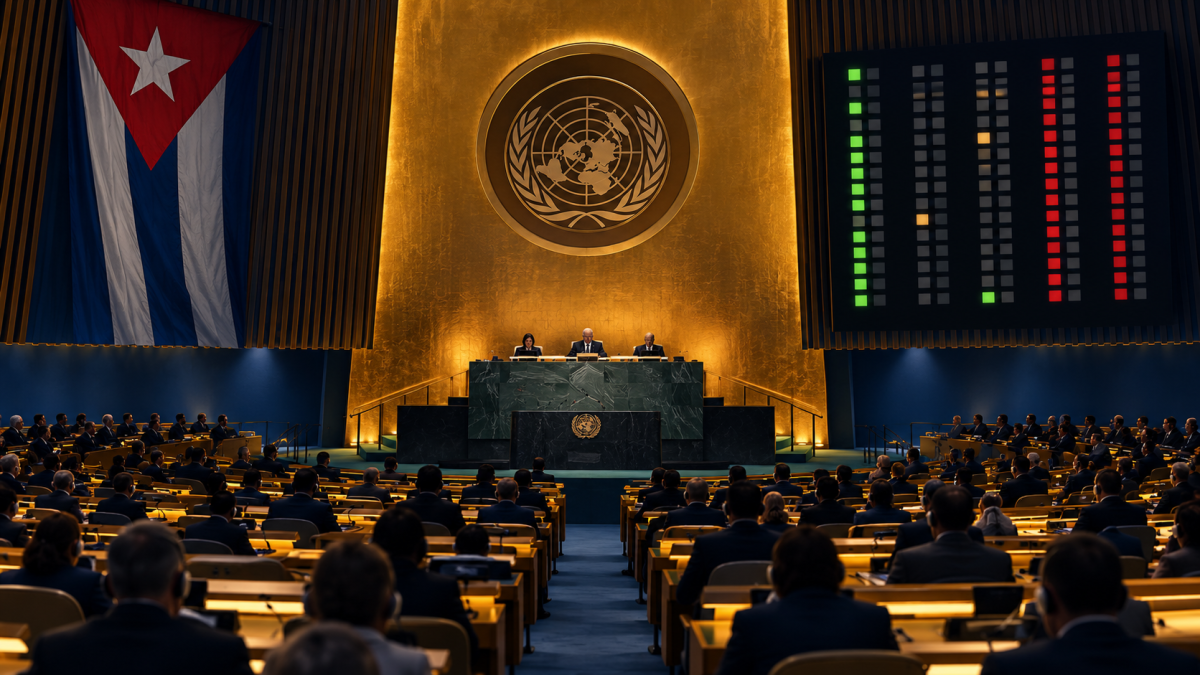
Table of Contents
UN Vote on Cuba Embargo Sees Sharp Drop in Backing
Poinews.com – The United Nations General Assembly has renewed its call for the United States to end its embargo on Cuba, though the measure attracted markedly less support than it did a year ago. The resolution passed with 130 votes in favour, 17 against and 25 abstentions, representing its weakest level of backing in more than three decades.
For Cuba, the annual vote remains an important diplomatic measure even though it does not create a legally enforceable obligation for Washington. The resolution urges an end to the economic, commercial and financial restrictions imposed on the island, and has been introduced and adopted in nearly every year since 1992.
This year’s tally was the lowest since 1995. More than 160 countries supported the proposal in the previous vote, underlining the scale of the shift in the latest General Assembly session in New York.
European and Latin American Positions Change
Several governments altered their positions. Germany, Italy and Latvia chose to abstain, their first abstentions on the matter in 34 years. Colombia, Costa Rica, Ecuador, Morocco, Slovenia and Bosnia were among the countries voting against the resolution, with many doing so for the first time.
The change does not alter the resolution’s non-binding character, but it carries political weight because the yearly vote is widely regarded as a measure of international sentiment on the embargo. Cuba has long used the vote to argue that the restrictions lack broad global support.
The embargo dates to 1960, following Fidel Castro’s revolution and the nationalisation of property owned by US interests. Its impact has remained a central issue in relations between Havana and Washington for decades, with the two governments regularly presenting sharply different accounts of Cuba’s economic difficulties and political system.
Washington Rejects Blockade Description
Just before the vote, US Ambassador to the United Nations Mike Waltz rejected the characterisation of US policy as a blockade. He placed responsibility for conditions on the island on Cuba’s leadership.
“The plight of the Cuban people is exclusively the fault of this corrupt communist regime.”
Washington’s position was delivered as tensions with Havana remained high. The United States has renewed pressure on Cuba through broad sanctions and measures affecting oil supplies. Those steps have added to the strain on an economy already facing severe hardship.
Cuban authorities, meanwhile, have said the United States mounted a diplomatic campaign intended to persuade other countries to withdraw their support for the General Assembly resolution. Foreign Minister Bruno Rodríguez accused Washington of trying to control Cuba’s future and take its resources.
Washington was seeking to “determine the nation’s destiny” and “seize” its wealth, Rodríguez said.
The dispute moved beyond formal statements during the session. Rodríguez approached Waltz and accused him of lying, while the US ambassador told him to move back. The confrontation reflected the deeply adversarial atmosphere surrounding the debate.
Heated Exchange During General Assembly Session
Waltz also criticised senior Cuban officials during Tuesday’s proceedings, arguing that they lived in luxury while many people on the island endured shortages. He displayed photographs of current and former Cuban leaders, including President Miguel Díaz-Canel, wearing luxury watches.
Members of Cuba’s delegation repeatedly struck their desks in protest as the images were shown. The episode illustrated how arguments over sanctions are tied to broader accusations about governance, inequality and responsibility for the country’s crisis.
Díaz-Canel responded on X by accusing the United States of using coercive tactics to influence the outcome of the vote.
“The world has once again spoken out overwhelmingly against the blockade, even despite the most blatant pressure and blackmail from the US to change the course of this vote.”
Although 130 countries backed the resolution, the result also demonstrated that Cuba was unable to maintain the much larger majority it secured the year before. The growing number of abstentions and opposing votes gives the latest decision a different political meaning from previous years, even as the Assembly again called for the embargo to be lifted.
Oil Restrictions Add to Economic Pressure
Pressure on fuel supplies has become a particularly significant issue. In January, President Trump threatened tariffs against countries that provide oil to Cuba. The move sharply reduced fuel deliveries to the island and contributed to widespread electricity outages, as well as interruptions affecting water, internet and telephone services.
Fuel shortages can have consequences far beyond transport. When supplies decline, power generation and essential infrastructure are affected, making daily life more difficult for households and disrupting basic services. Cuba is continuing to experience frequent blackouts alongside shortages of fuel and other necessities.
The debate at the United Nations therefore came as Cubans faced persistent economic stress and disruption to core services. For Havana, the resolution remains a platform for highlighting the effects it attributes to US restrictions. For Washington, the vote is part of a wider argument that Cuba’s government bears responsibility for the conditions experienced by its population.
The General Assembly’s decision does not itself change US policy. Yet the lower level of support is likely to be closely watched by both governments as they continue to contest the political, economic and humanitarian consequences of the embargo.
Related Reading
Frequently Asked Questions
What is Support for UN vote to end US?
Support for UN vote to end US is the main topic of this guide. The article explains the context, practical details, and next steps readers should understand.
Why does Support for UN vote to end US matter?
Support for UN vote to end US matters because readers are looking for a useful answer, not just a short summary. Good content should match search intent and help them decide what to do next.