Europe is burning: How bad could this wildfire crisis get?
```html

Poinews.com – “`html
A Devastating Fire Season Grips Europe
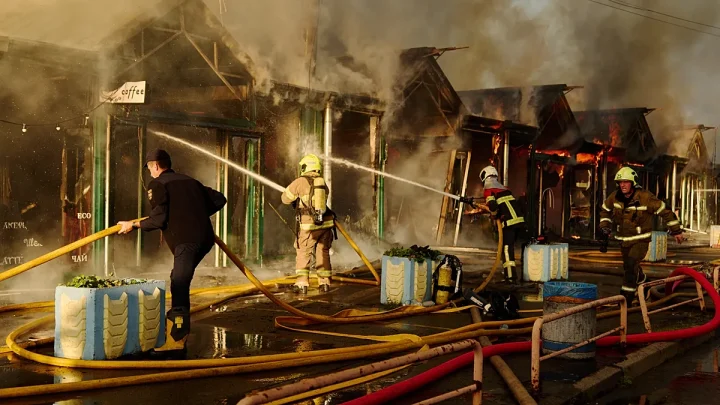
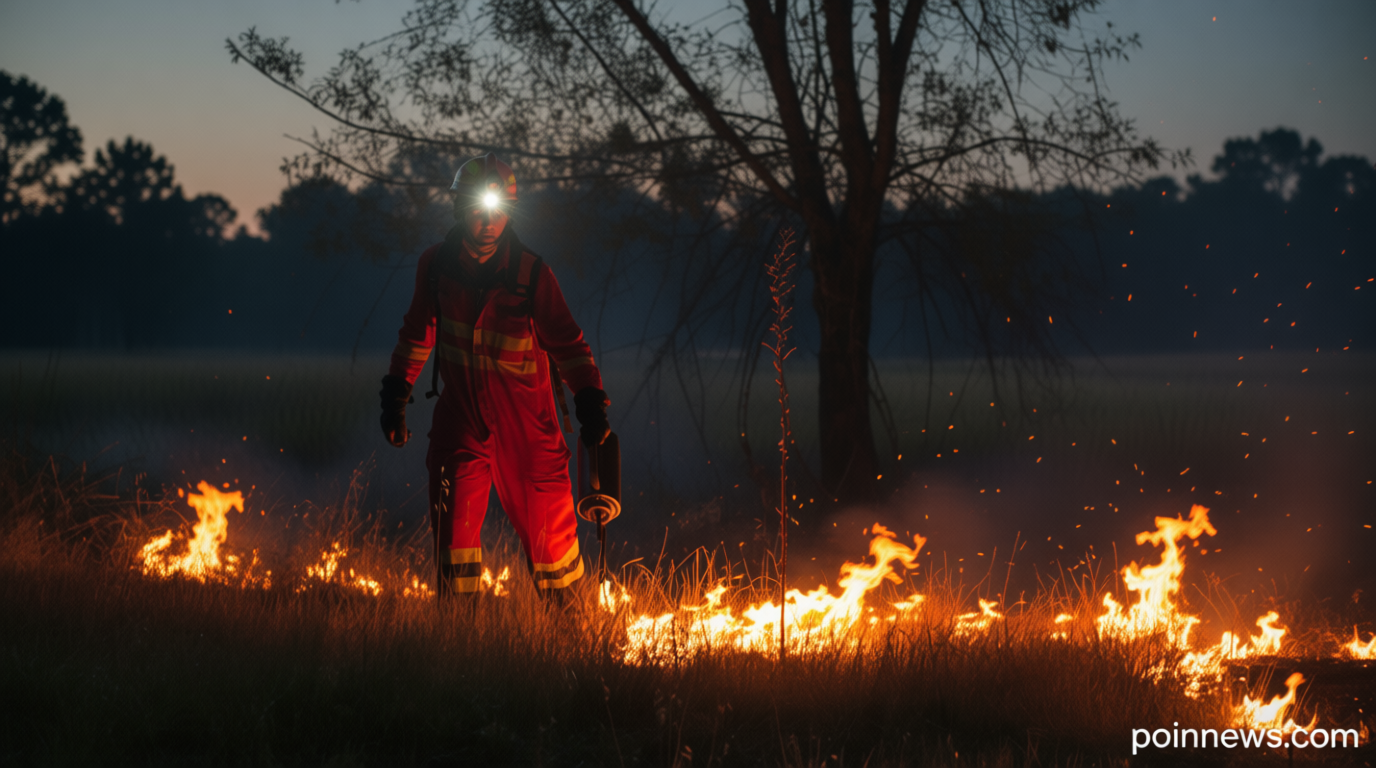
Europe is confronting what officials describe as one of the most severe wildfire periods in recent memory. The southern regions of the continent, particularly France and Spain, are experiencing intense, rapidly spreading conflagrations driven by consecutive heatwaves, prolonged dry conditions, and powerful winds. Thousands of emergency personnel have been mobilized to combat the flames, which have triggered widespread evacuations, consumed tens of thousands of hectares of woodland, and severely impacted tourism during the crucial summer months.
Beyond the hardest-hit nations, Portugal, Greece, Italy, Turkey, and sections of the Western Balkans face heightened danger as temperatures are projected to climb further. Euronews has analyzed current fire patterns, the underlying causes accelerating their expansion, and the obstacles Europe must overcome to mitigate future catastrophes.
Current Hotspots and Record-Breaking Blazes
Since July 22, active fires have clustered primarily in southwestern France alongside central and eastern Spain. Madrid’s western territories represent one of the most critical zones, where responders are addressing a historic conflagration. Meanwhile, Ávila, Toledo, and Castellón on Spain’s eastern shoreline continue to battle an uncontrolled blaze.
“The scale of the disaster we are living through is very hard to accept,” said Spanish Prime Minister Pedro Sanchez on 26 July.
France’s Gironde region, situated near Bordeaux, has emerged as the continent’s largest fire epicenter. French officials characterized the situation as the nation’s most serious wildfire emergency in decades, with President Emmanuel Macron describing it as the worst occurrence since the conclusion of World War II.
“In Gironde, we are continuing to fight. The fire has been stabilised, as we say, but it remains very intense… We are doing everything we can to stop it,” Macron told reporters.
Human and Environmental Toll
The devastation continues to mount as flames persist. Preliminary assessments indicate that Spain has lost a minimum of 80,000 hectares to the infernos, while France has surrendered 42,000 hectares. Tragically, two French firefighters lost their lives during operations, and another perished in Italy.
Near Bordeaux in Le Porge, at least 240 residences have been entirely razed, with numerous additional properties sustaining damage. Evacuation orders have reached more than 320,000 individuals across both Spain and France. On Tuesday, French authorities instructed nearly 4,000 extra residents and visitors to abandon Atlantic coastal zones as a preventive step.
European Union Response Mechanisms
The EU Civil Protection Mechanism (EUCPM) serves as the bloc’s primary solidarity framework, enabling member states and participating nations to pool firefighting capabilities when domestic resources become insufficient. Upon receiving a request for help, the Emergency Response Coordination Centre (ERCCC) under the European Commission organizes contributions of aircraft, helicopters, and specialized teams from across Europe, while also covering transport expenses and occasionally operational costs.
Through the rescEU mechanism connected to the EUCPM, the European Commission maintains a transitional aerial fleet consisting of 22 aircraft and five helicopters available for deployment to nations confronting major fires. Additionally, the Commission dispatched over 770 firefighters from fourteen countries to high-risk zones spanning Portugal, Spain, France, Italy, Greece, and Cyprus to enhance readiness and promote knowledge exchange.
A dedicated Wildfire Support Team has been established within the ERCC to provide continuous monitoring of fire risks and coordinate actions throughout the season. The Copernicus service is simultaneously delivering urgent satellite imagery of impacted regions.
International Aid Arrivals
France has already received substantial support through the EU civil mechanism. Two Portuguese Air Tractor firefighting planes, a Slovak Black Hawk helicopter, and a Czech helicopter arrived at Bordeaux-Mérignac airport on 24 July. A Croatian Canadair plane landed in Nîmes on the same day, followed by two Swedish water-scooping aircraft and a technical team reaching Bordeaux-Mérignac on 25 July. A European Commission liaison officer was also stationed in Bordeaux on 24 July.
Spain has welcomed two Greek and two Italian Canadair planes in Torrejón de Ardoz on 25 July, alongside two Turkish Air Tractor aircraft and three Portuguese ground teams comprising 134 personnel and 41 vehicles in Burgohondo. Two helicopters from Germany and two additional planes from Türkiye were scheduled for deployment on Tuesday.
Weather Conditions and Future Outlook
Europe has endured three significant heatwaves during the current summer, leaving vegetation in an exceptionally dry state. Meteorologists predict another period of elevated temperatures this week, fueling concerns that fresh ignitions could occur while existing fires accelerate their spread. Although authorities in Gironde and Nouvelle-Aquitaine have expressed cautious optimism, the situation remains volatile as conditions continue to evolve.
“`