A history of own goals: Gianni Infantino’s timeline of FIFA controversies
```html

Gianni Infantino’s Ten Years of Turmoil at FIFA
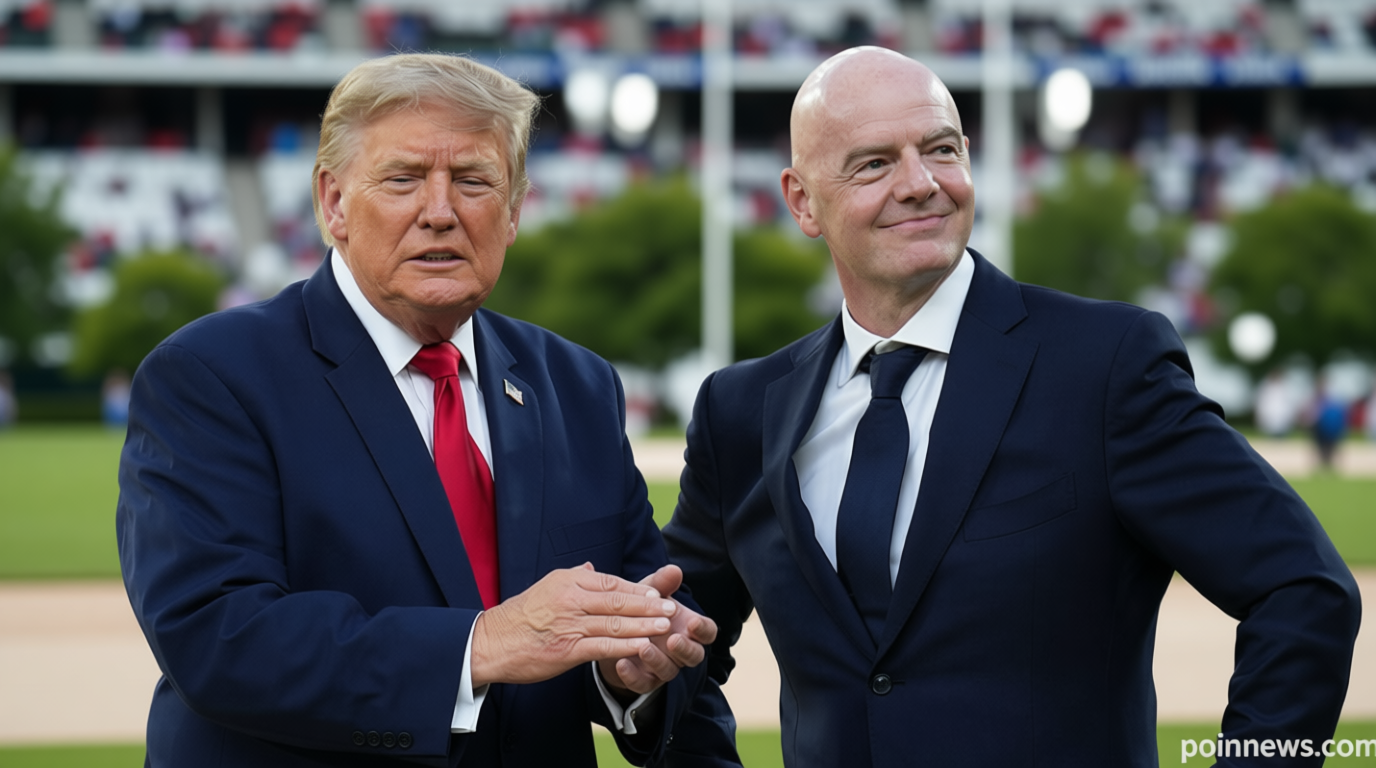
Poinews.com – When Gianni Infantino assumed leadership of FIFA in 2016, he arrived with clear instructions to rehabilitate an organization tarnished by scandal under his predecessor, Sepp Blatter. A Swiss national and trained attorney, Infantino promised to eradicate corruption within football’s central governing institution and restore prestige to the sport. Yet his decade-long tenure has been marked by persistent disputes, positioning him as one of the most polarizing personalities in global football. His recent proposal to divest a portion of the World Cup has intensified accusations that he is compromising the essence of the beautiful game.
Rising Through UEFA’s Ranks
Before reaching FIFA’s highest office, Infantino climbed the ladder at UEFA, progressing from the legal division to deputy general secretary in 2007, then advancing to secretary general two years later. His election as FIFA president carried a mandate to cleanse the organization’s damaged image. Almost immediately, scrutiny emerged regarding his acceptance of private aviation services, prompting an ethics committee investigation that ultimately exonerated him. Additional inquiries surfaced throughout 2016 and 2017.
Early Investigations and Controversies
Documents from the Panama Papers identified Infantino among those under examination. Simultaneously, FIFA’s ethics body investigated claims that he breached regulations by conducting undisclosed discussions with Michael Lauber, Switzerland’s attorney general at the time, who was probing international football corruption. Neither party could supply meeting specifics, though both maintained their innocence. The ethics committee formally cleared Infantino in 2020.
Defending Russia and Embracing Autocratic Leaders
Infantino enthusiastically praised the 2018 tournament hosted by Russia as the finest World Cup in history, despite controversies surrounding the nation’s selection. This came amid the Russo-Ukrainian conflict that started in 2014 and concerns about treatment of LGBTQ+ populations and racial minorities. In 2017, he cautioned Western journalists against characterizing Eastern nations negatively, stating they should not “try to paint with a dark paint everything that comes from the east – from Russia or the Arab world.” His visit to the Kremlin earned him the Order of Friendship medal from Vladimir Putin in 2019, prompting observers to note his tendency toward establishing relationships with authoritarian figures. “This country, Russia, has changed,” he declared.
The Qatar World Cup and Western Hypocrisy
By 2022, when the next tournament arrived, Russia had already invaded Ukraine. During the Qatar edition, Infantino addressed criticisms regarding migrant worker conditions, asserting that these laborers felt honored to help build the stadiums. He also criticized Western nations for what he viewed as inconsistent moral standards, particularly concerning human rights issues affecting migrant workers, LGBTQ+ individuals, and women. “I’m European. For what we Europeans have been doing around the world in the last 3,000 years, we should be apologising for the next 3,000 years before starting to give moral lessons to people,” he remarked.
“Today I have very strong feelings. Today I feel Qatari. Today I feel Arab. Today I feel African. Today I feel gay. Today I feel disabled. Today I feel a migrant worker. I feel like them because I know what it feels like to be discriminated, to be bullied as a foreigner in a country. At school I was bullied because I had red hair and freckles.”
His extended Doha press conference drew widespread attention, with critics labeling his comparison of childhood bullying due to red hair to systemic oppression as dismissive and inappropriate.
Saudi Arabia and the Future of FIFA
Infantino’s relationship with Saudi Arabia has generated considerable debate given ongoing human rights allegations against the kingdom. In 2024, Aramco, the state-owned petroleum company, committed to a four-year worldwide partnership with FIFA. The subsequent announcement that Saudi Arabia would organize the 2034 World Cup sparked significant backlash. Notably, Infantino had already publicly congratulated the Gulf nation on October 31, 2023, well before the formal voting procedure concluded.
These accumulated controversies have created a particularly challenging period for FIFA’s leadership heading into 2026, as Infantino faces mounting pressure over both past decisions and his privatization vision for the World Cup.