Liberia sacks officials after record cocaine seizures worth $336 million
Liberia sacks officials after record cocaine seizures have triggered a major government shakeup. President Joseph Boakai has dismissed a dozen high-ranking

Liberia Sacks Officials After Record Cocaine Seizures Spark National Outcry
Poinews.com – Liberia sacks officials after record cocaine seizures have triggered a major government shakeup. President Joseph Boakai has dismissed a dozen high-ranking government officials and referred several additional personnel for formal investigation. This decisive action follows a series of unprecedented drug seizures that have prompted widespread public demands for stronger anti-narcotics measures. According to an official statement released late Thursday, the dismissals encompassed critical airport operations staff alongside senior law enforcement supervisors who were found lacking in their duties.
Unprecedented Drug Seizures at Roberts International Airport
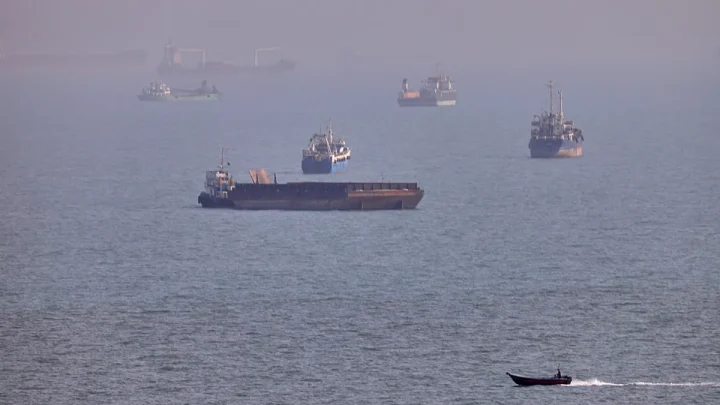
The catalyst for this governmental response came earlier this month when Liberian authorities confiscated nearly four tonnes of cocaine valued at an estimated $317 million (€277 million) near Roberts International Airport. This remarkable haul represented the largest single cocaine seizure in the nation’s history. The operation occurred in close proximity to the country’s primary international gateway, raising serious questions about security protocols and potential corruption within airport operations.
Previously, in June, Liberian officials uncovered another significant drug shipment containing approximately 238 kilograms of cocaine worth an estimated $19 million (€16.5 million). This earlier discovery involved cocaine concealed among routine commercial cargo, including Maggi seasoning cubes, demonstrating the sophisticated methods employed by drug traffickers. The combined value of these two seizures reached approximately $336 million, establishing a new national record for cocaine seizures in Liberia.
President Boakai issued a comprehensive directive ordering “the immediate dismissal, suspension and investigation of several officials of government and law enforcement personnel following his review of the latest status report on ongoing investigations into major narcotics trafficking cases.” The officials removed from their positions included the airport’s deputy director for operations, the police commissioner responsible for criminal investigation, intelligence, and Interpol affairs, and the deputy director for administration at the National Security Agency (NSA).
“The President has made it clear that accountability must be swift and thorough in addressing these serious breaches of public trust,” said a government spokesperson.
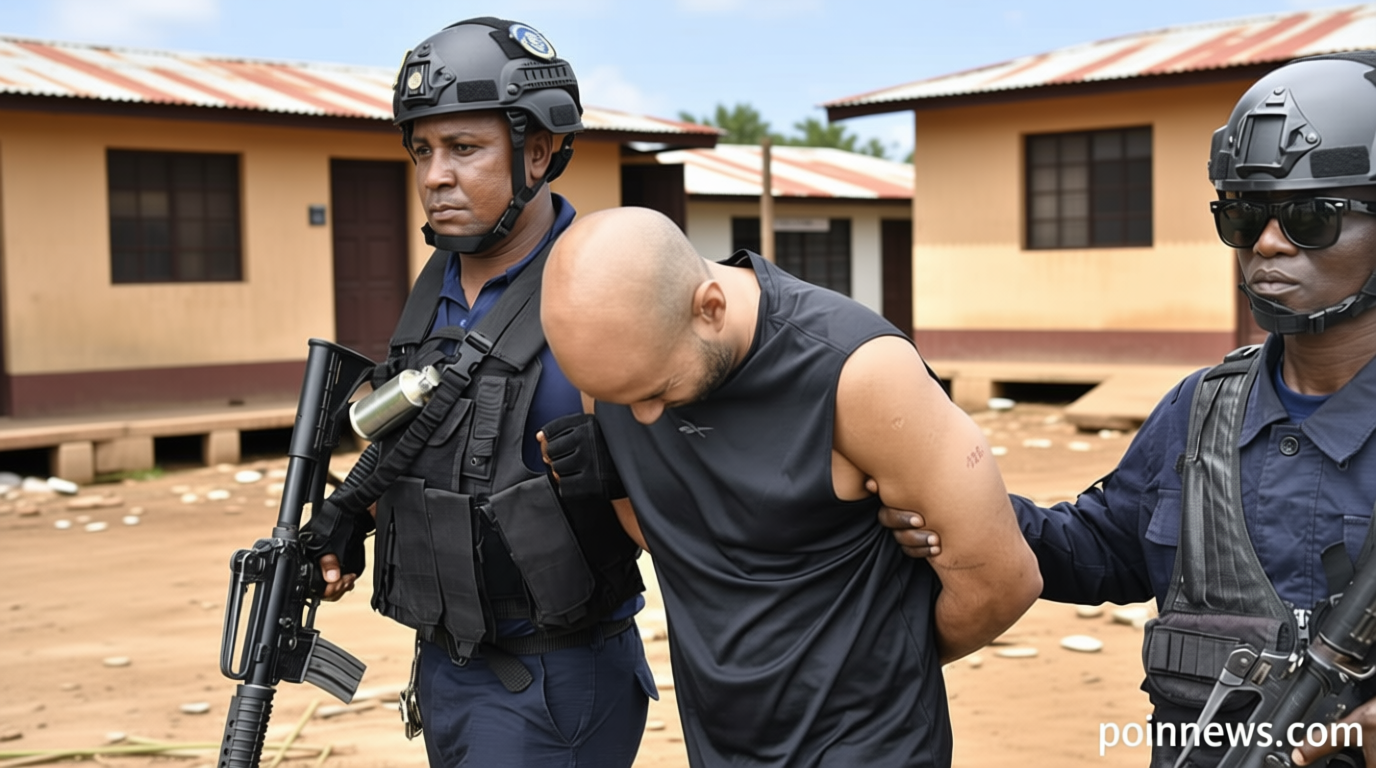
The presidential statement further clarified that Boakai had dismissed “all government employees and law enforcement officers indicted” in connection with the two landmark drug seizures. These individuals comprised the airport’s director of security and the deputy commander of the Liberia Drug Enforcement Agency stationed at the airport. Additionally, the President removed four employees from both the National Security Agency (NSA) and the Ministry of Gender, Children and Social Protection, referring their cases to the Ministry of Justice for formal prosecution proceedings.
Following the initial airport drug seizure in June, President Boakai launched a coordinated multi-agency investigation to ensure that “every individual found responsible is fully accountable under the law.” According to the Global Initiative Against Transnational Organized Crime, West Africa has emerged as a critical transit hub for cocaine shipments destined for European markets. This geographic positioning makes Liberia particularly vulnerable to drug trafficking operations, necessitating stronger institutional responses.
Public pressure had been mounting for weeks as citizens demanded immediate action. Several hundred protesters took to the streets of Monrovia two weeks ago, organizing a demonstration through the civic group “Stand.” The demonstrators called for quick governmental action and rapid charges against those implicated in the drug trafficking network. The scale of public outrage ultimately compelled the President to take decisive administrative action, demonstrating the government’s commitment to restoring public confidence in its anti-drug enforcement capabilities.