FIFA bins controversial private investment plan after backlash
The international football governing body has officially scrapped its contentious proposal to allow private investors to purchase shares in premier

FIFA Bins Controversial Private Investment Plan After Backlash
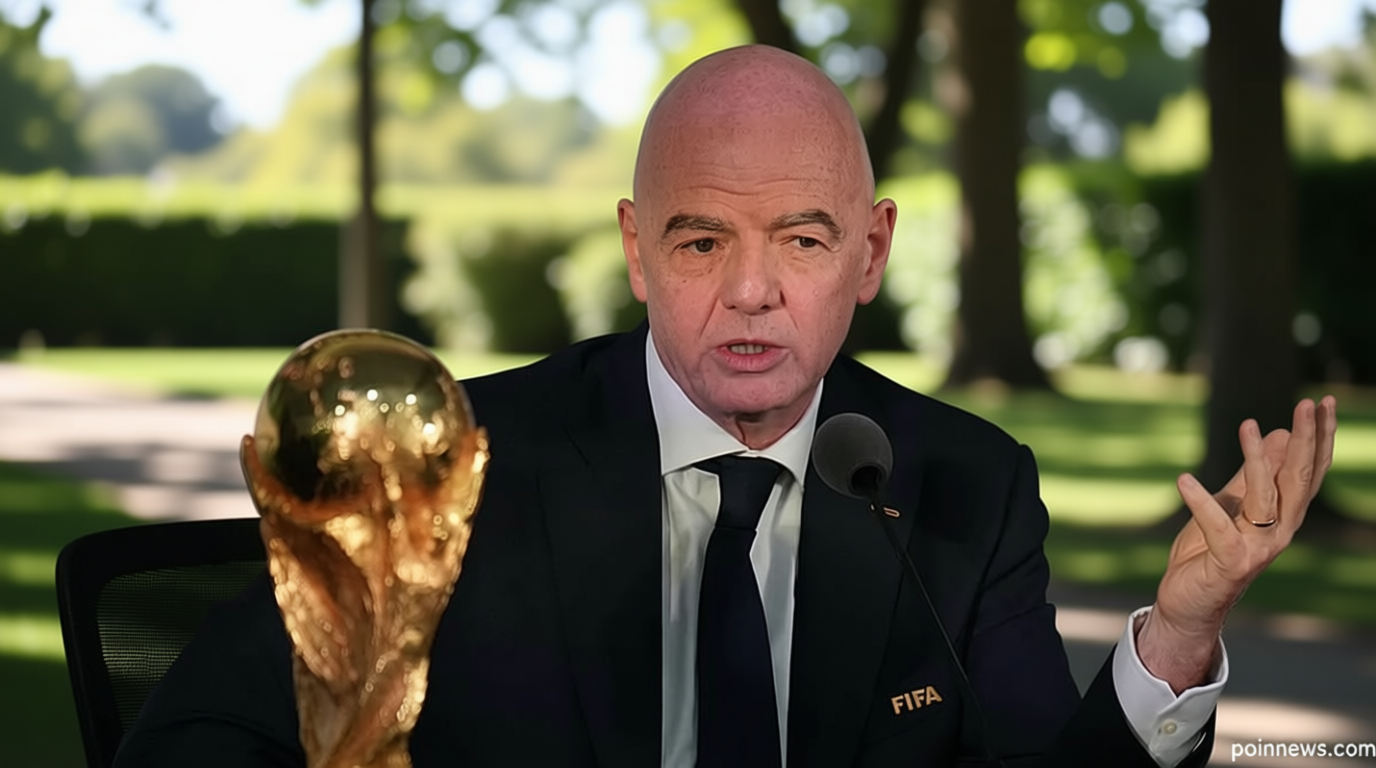
Poinews.com – The international football governing body has officially scrapped its contentious proposal to allow private investors to purchase shares in premier tournaments. This significant reversal follows intense criticism from across the global sporting community. FIFA President Gianni Infantino addressed the situation in an official statement, noting that the initiative had “created divisions” that were “no longer in the interest of the objective set out in the first place.” He emphasized that unity remains central to the organization’s mission, adding, “Our purpose has always been – and will always be – to unite and improve. As a result, this proposal will not proceed.”
Understanding the Abandoned Investment Framework
During the final weeks of July, FIFA presented a comprehensive framework designed to channel additional financial resources to its 211 member associations. The core of this strategy involved establishing a new subsidiary responsible for managing commercial activities and major events, including the World Cup. Known as the FIFA Forward Enterprise (FFE), this venture sought to capitalize on what Infantino termed the sport’s “remarkable commercial value.” The model invited external parties to acquire minority stakes without gaining control over the new organization. According to FIFA projections, FFE could generate as much as $4.2 billion, built upon an initial equity valuation of $20 billion.
Strong Reactions from Football Organizations
The announcement triggered immediate condemnation from multiple quarters. Critics argued that FIFA and Infantino were essentially commercializing the game. UEFA, alongside its 55 member associations, issued a stern warning that they would withdraw from FIFA tournaments if the plan continued. In their declaration, they stated clearly that “the World Cup cannot be treated as an investment product.” The confederation went further, pledging that “No UEFA national teams will participate in any FIFA competition for so long as these proposals remain alive, unless this proposal has been abandoned in its entirety and binding assurances have been given that FIFA will never again open its governance or competitions to private ownership,” as communicated in a Thursday statement.
“Not only must this project not go ahead … but the time has now come for football political leaders to ask themselves the right questions and make the right decisions.” – Kevin Lamour, FIFA Chief Operating Officer
CONCACAF, representing North, Central America and the Caribbean, also voiced its opposition. The confederation demanded enhanced transparency and improved governance standards following the uproar.
Leadership Changes and Ongoing Pressure
The controversy has placed significant strain on Infantino, who initially won the presidency in 2016. The situation even led to the departure of Carlos Cordeiro, one of his top advisors. Kevin Lamour, serving as FIFA’s chief operating officer, was particularly vocal in his criticism. He characterized the investment scheme as “the project of one person.” In remarks shared with the Associated Press earlier this week, Lamour declared that the time had come for football leaders to reconsider their approach.
Infantino’s position had already been weakened by criticism regarding FIFA’s management of several incidents during the 2026 World Cup. That tournament took place across the United States, Mexico, and Canada. Among the most notable issues was the decision to lift a suspension for American striker Folarin Balogun. With FIFA now backing down on the private investment plan, the organization faces the challenge of rebuilding trust with its member associations and stakeholders while maintaining its commercial ambitions for the future of global football.