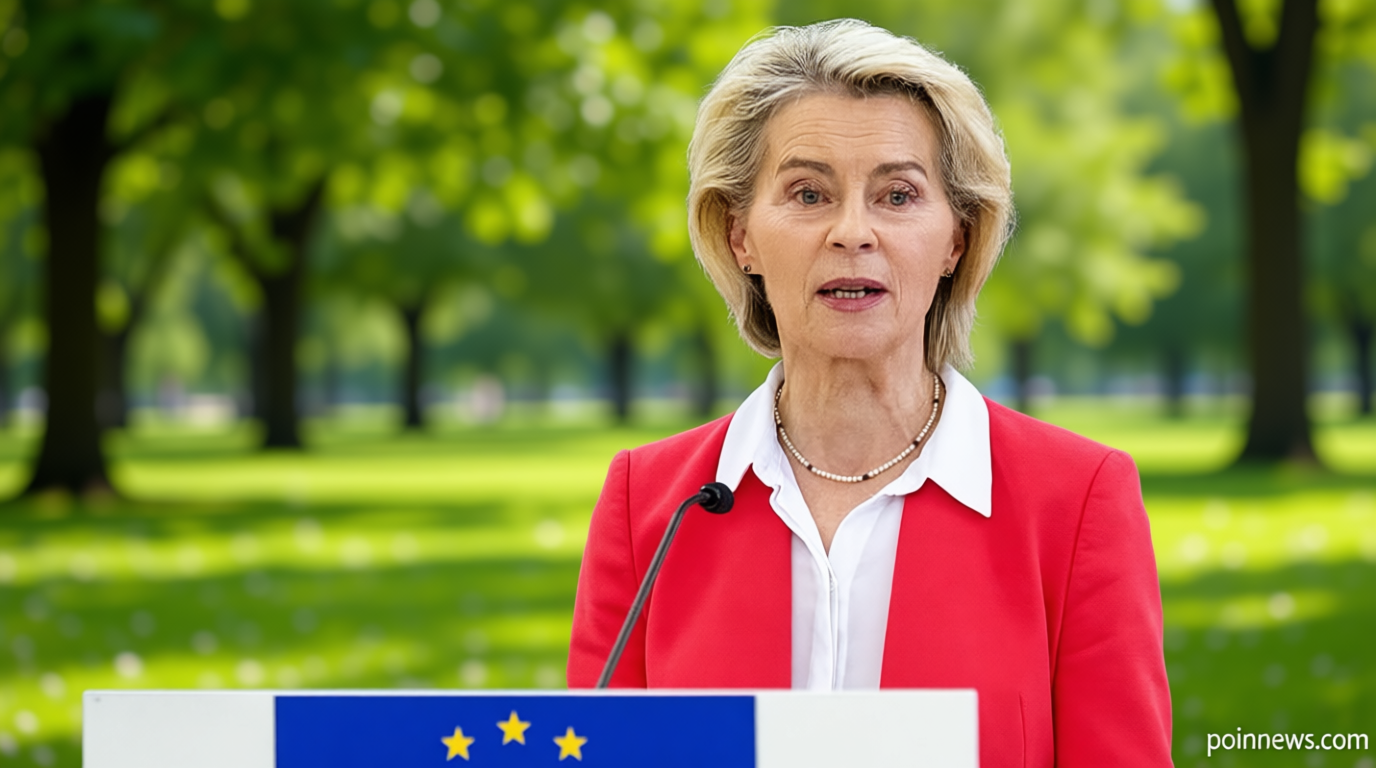
ECB staff raise stability concerns about rumours of Lagarde’s early departure
Uncertainty over possible changes at the top of the European Central Bank is prompting concern among staff, who have urged the institution’s Executive Board

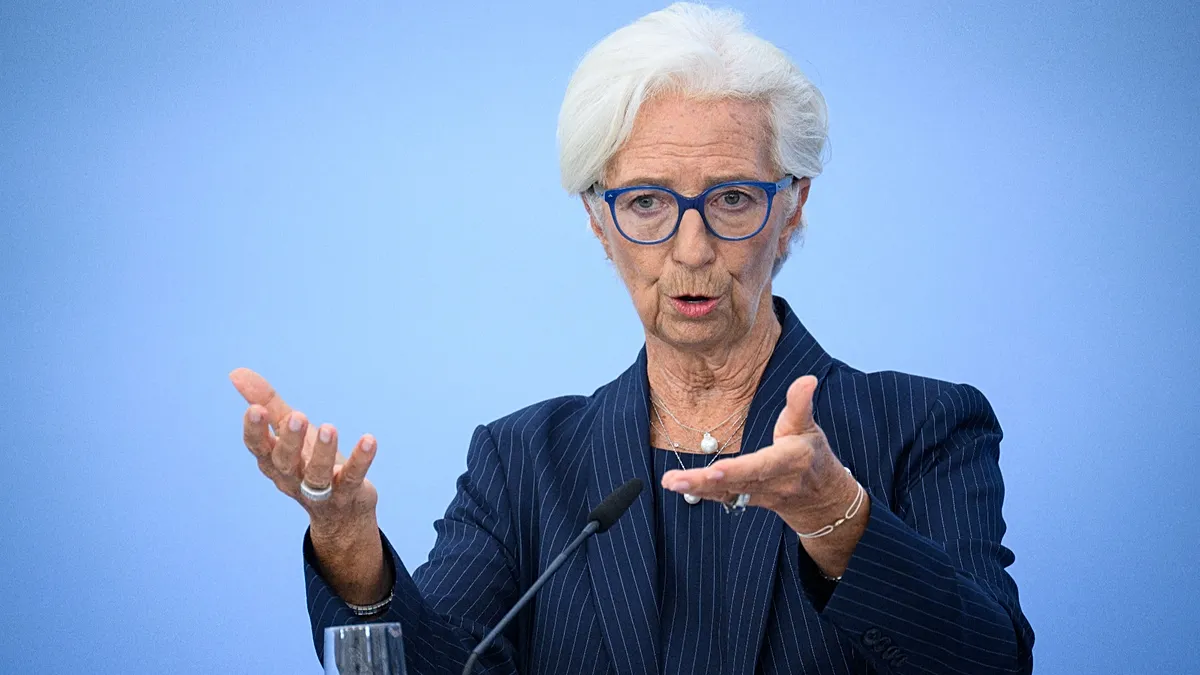
Table of Contents
ECB employees seek clarity as leadership rumours raise institutional concerns
Poinews.com – Uncertainty over possible changes at the top of the European Central Bank is prompting concern among staff, who have urged the institution’s Executive Board to clarify how any leadership transition would be handled.
In a letter circulating within the ECB, employees point to speculation involving President Christine Lagarde and Executive Board member Isabel Schnabel. The staff do not endorse or reject the reports, but argue that the prospect of senior figures leaving ahead of schedule has consequences for confidence in the central bank, its policy communication and its internal planning.
“We do not take a position on the accuracy of these reports, nor do we question the right of any individual to consider future professional or public responsibilities.”
The letter stresses that the issue becomes more significant when speculation concerns members of the Executive Board, especially the ECB president. Staff have called on the board to offer appropriate clarity about any potential changes in leadership, warning that prolonged ambiguity can affect the institution at a sensitive moment for the euro area.
Lagarde’s mandate runs until October 2027
Lagarde is due to remain ECB president until October 2027, but discussion about a possible early exit emerged in February. Her next professional step has not been confirmed.
She has nevertheless spoken publicly about wanting to contribute to a French presidential election campaign, while making clear that she does not intend to run for office herself. Another possibility that has been discussed is a future role leading the World Economic Forum.
The ECB presidency is one of the most influential economic positions in Europe. The office leads the institution responsible for monetary policy across the countries using the euro, including interest-rate decisions intended to steer inflation toward the central bank’s 2% objective. For that reason, even unconfirmed talk of a successor can draw attention from markets, governments, businesses and ECB employees.
Staff concerns are not limited to the presidency. Schnabel, a member of the Executive Board, could also leave before her term ends if she accepts a senior position at the International Monetary Fund. Her possible departure would add another important vacancy to the ECB’s leadership picture.
A period of scheduled and possible departures
The debate is unfolding as other ECB leaders approach the end of their mandates through the normal timetable. Chief Economist Philip Lane is among those expected to leave on schedule, with his term ending in May 2027.
Succession planning is a routine part of any public institution, but overlapping vacancies can make it more difficult to preserve continuity. The ECB’s staff letter highlights the need for orderly preparation, particularly where shifts in personnel could coincide with decisions on monetary policy, internal reform and the bank’s broader strategic priorities.
“Prolonged uncertainty regarding the future of the institution’s senior leadership can therefore affect trust in the ECB’s communications, create concern among staff and stakeholders, and complicate the orderly planning of leadership succession and strategic priorities.”
The point is not simply administrative. Central banks depend heavily on the credibility of their public messages. Investors, lenders, households and companies watch their guidance for signals about borrowing costs, inflation and economic conditions. When a central bank’s senior leadership appears unsettled, questions can arise about who will shape future decisions and whether policy priorities will remain consistent.
For employees, clarity also matters internally. Senior appointments influence the organisation’s work on reforms, management decisions and long-term planning. The letter frames the matter as an institutional issue rather than a judgement on the personal choices of either Lagarde or Schnabel.
Inflation challenge sharpens the focus
The timing has increased the importance of the discussion. The eurozone is facing a difficult inflation environment, with energy-price volatility linked to the continuing wars in Ukraine and the Middle East. Changes in energy costs can filter through the economy, affecting household bills, business expenses and the prices paid for goods and services.
Keeping inflation under control is already a demanding task for the ECB. Last week, Lagarde announced an interest-rate increase aimed at limiting inflationary pressure. She also indicated that the ECB’s 2% inflation target would not be reached by the end of 2027.
Interest-rate decisions can take time to affect the wider economy. Higher rates are intended to restrain price growth by making borrowing more expensive and encouraging saving, but they can also increase costs for households and businesses with loans. That trade-off makes clear communication from the ECB particularly important when inflation remains above target.
The staff letter therefore places leadership speculation alongside the bank’s immediate economic responsibilities. It suggests that uncertainty about the Executive Board could make it harder to communicate policy effectively at a time when the public is closely following interest rates, living costs and the outlook for inflation.
No confirmed announcement has established that Lagarde or Schnabel will leave the ECB early. But the staff intervention underscores the pressure for a clear response as questions about the institution’s future leadership continue to circulate.
Related Reading
Frequently Asked Questions
What is ECB staff raise stability concerns about?
ECB staff raise stability concerns about is the main topic of this guide. The article explains the context, practical details, and next steps readers should understand.
Why does ECB staff raise stability concerns about matter?
ECB staff raise stability concerns about matters because readers are looking for a useful answer, not just a short summary. Good content should match search intent and help them decide what to do next.