
UEFA declares to have ‘lost confidence’ in Infantino over ‘shabby, back room, opaque deal’
UEFA declares to have lost confidence in Gianni Infantino as FIFA's presidency faces mounting pressure following a controversial private investment scheme

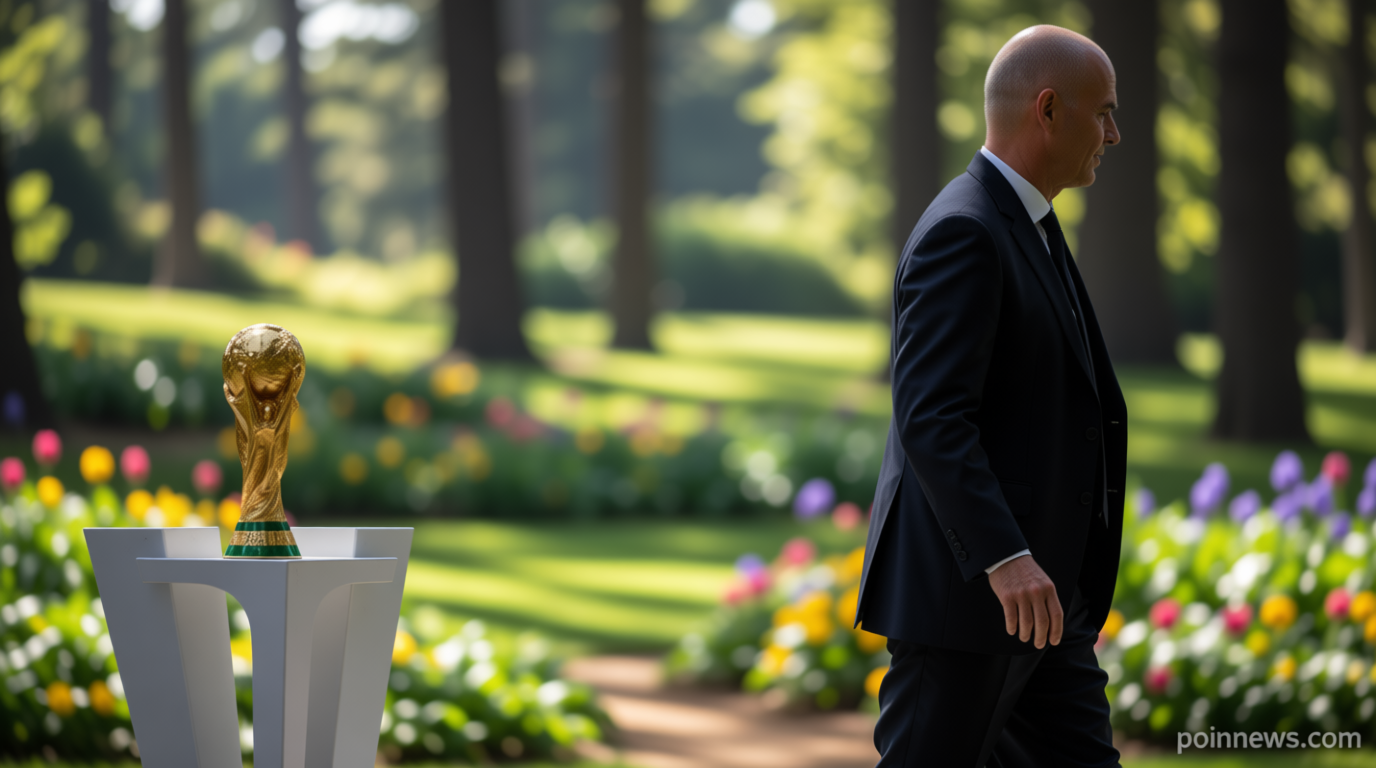
UEFA Declares to Have Lost Confidence in Infantino Over Opaque Deal
Poinews.com – UEFA declares to have lost confidence in Gianni Infantino as FIFA’s presidency faces mounting pressure following a controversial private investment scheme that was abruptly withdrawn on Saturday. The European football governing body issued a scathing statement just hours after FIFA announced it was pulling back its ambitious private equity plan. “No option should be off the table,” UEFA emphasized in its response to the sudden reversal. FIFA had initially unveiled the proposal on Tuesday, revealing plans to potentially secure up to $4.2 billion through a valuation of $20 billion for a newly created commercial subsidiary known as the FIFA Forward Enterprise (FFE). This entity would oversee major tournaments including the World Cup and Club World Cup.
Member Associations Face Financial Impact
Under the proposed arrangement, FIFA indicated that each of its 211 member associations would receive a one-time payment of $20 million in early 2027. Additionally, the funding allocation for the 2027-2030 cycle would rise substantially from $8 million to $20 million per association. UEFA President Aleksander Čeferin has emerged as the primary voice opposing Infantino during what has been described as a seismic week for FIFA governance. In a powerful declaration, UEFA stated that the current FIFA leadership has not only lost UEFA’s confidence but also that of numerous other members within the football family. The organization criticized the secretive nature of the proposal, noting that “secret schemes on fast-track timescales, cooked up by faceless individuals” offered questionable benefits to the sport.
UEFA further emphasized that accountability must follow, stating that the organization would collaborate with member associations and other confederations to understand how such a situation arose. The governing body highlighted that Infantino had “failed to deliver” on commitments made during his successful 2016 election campaign. These promises included maintaining transparency and ensuring that FIFA’s financial resources belonged to member associations rather than constituting “the money of the FIFA President.” UEFA characterized the controversial agreement as a “shabby, back room, opaque deal” that lacked the openness Infantino had pledged to uphold.
“We must identify those responsible and hold them to account. It is right that, in the coming days and weeks, UEFA will work with its associations and in close cooperation with other confederations to reflect on how this happened and devise a plan to make sure that it cannot occur again.”
Compounding UEFA’s concerns, the organization noted that FIFA’s reserves exceeded $5 billion, yet Infantino had not adequately utilized these funds for the benefit of global football. The criticism extended beyond Europe as CONCACAF, the governing body for North and Central American and Caribbean soccer, demanded accountability on Saturday. CONCACAF called for “a comprehensive reckoning with this presidency” while condemning what it described as “poor governance and leadership.” The organization pointed out that Infantino’s plan had progressed outside established governance frameworks without proper transparency, consultation, or due process.
CONCACAF’s statement reinforced the principle that FIFA leaders possess “a duty of service over power” and that accountability cannot remain optional when this duty is neglected. The backlash was not limited to continental confederations. England’s Football Association called for “a full and robust review of FIFA’s leadership and governance” to guarantee transparent operations across the global game. Meanwhile, the German FA (DFB) advocated for a complete organizational overhaul, emphasizing that decisions must once again be discussed and made by members within governing bodies rather than imposed from above.
As UEFA declares to have lost confidence in Infantino’s handling of the situation, football associations worldwide are positioning themselves for potential structural changes. The controversy has reignited debates about power distribution within FIFA and whether the organization’s leadership truly serves its member associations or prioritizes executive interests. With multiple confederations and national associations voicing concerns, the pressure on Infantino to demonstrate meaningful reform continues to grow as the football community awaits further developments in this ongoing governance crisis.