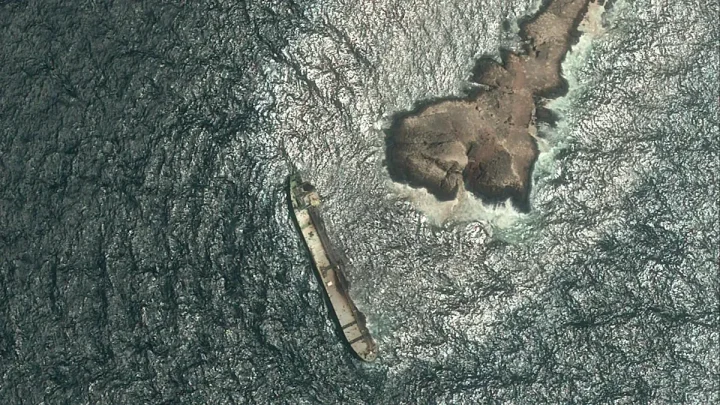
Two reported attacks on tankers near Strait of Hormuz
Two reported attacks on tankers near the Strait of Hormuz have intensified maritime security concerns in one of the world's most critical shipping corridors

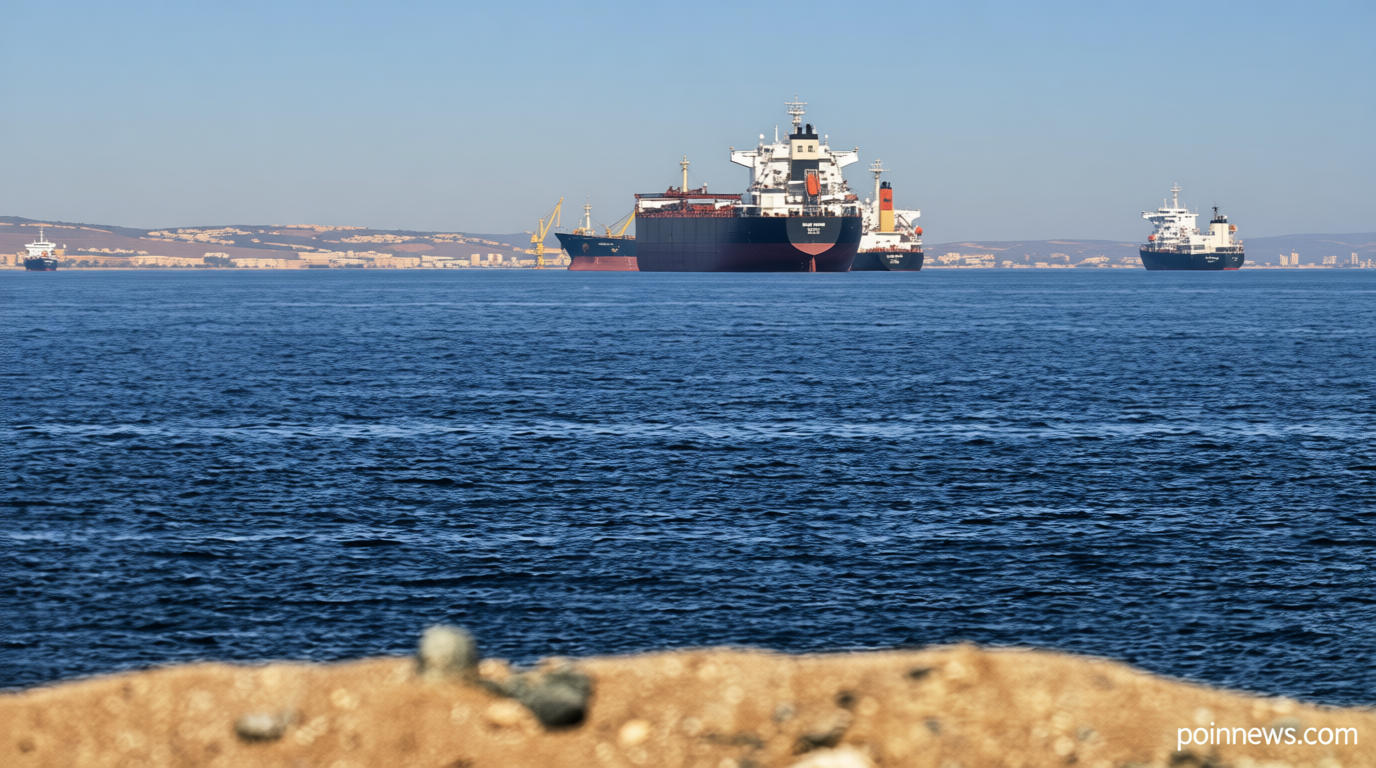
Two Reported Attacks on Tankers Near Strait of Hormuz Raise Regional Concerns
Poinews.com – Two reported attacks on tankers near the Strait of Hormuz have intensified maritime security concerns in one of the world’s most critical shipping corridors. A British maritime monitoring organization confirmed on Saturday that two separate vessels experienced hostile encounters in the vicinity of this strategic waterway. These events unfold amid escalating friction between Washington and Tehran regarding regional influence and control over vital energy routes.
The United Kingdom Maritime Trade Operations (UKMTO) disclosed that one ship reported being hit by an unidentified object while positioned northeast of Lima, Oman. The impact caused damage to the vessel’s engine compartment, though no crew members sustained injuries. Approximately three hours following the initial report, the agency received information about another occurrence situated northeast of Khasab, Oman. According to their advisory notice, the captain of a tanker observed a significant explosion accompanied by a large water splash nearby. At that moment, the ship appeared undamaged.
“The Master of a tanker reports seeing a large splash and explosion in close proximity to the vessel,” the agency stated in its warning.
Maritime authorities have urged ships navigating the area to exercise heightened vigilance and report any unusual occurrences. Investigations into both incidents are currently underway, with experts examining whether the two events are connected or represent separate hostile actions. The timing of these attacks has raised questions about potential coordination with broader regional tensions.
Strategic Importance of the Waterway
The Strait of Hormuz serves as a vital connection between the Persian Gulf, the Gulf of Oman, and the Arabian Sea. This narrow passage handles approximately one-quarter of all seaborne oil commerce worldwide, making it indispensable for global energy supplies. Any disruption to shipping through this corridor could have significant implications for international oil markets and economic stability.
Following American and Israeli military operations against Iran in late February, Tehran imposed restrictions on navigation through the channel. Despite a “memorandum of understanding” established between the two nations in June, the strait has remained a focal point of contention. The recent incidents add another layer of complexity to an already tense situation.
On Friday, US Central Command (CENTCOM) dismissed assertions that Iran had once again blocked the passage. The military organization emphasized that commercial traffic continues to flow freely through the international waterway. This clarification came amid conflicting reports about the extent of Iranian influence over maritime movements in the region.
“Iran does not control it. Thousands of ships have sailed through the international waterway over the past four months,” CENTCOM declared.
Escalating Military Posture
US President Donald Trump expressed growing skepticism about achieving a diplomatic resolution with Iran. The president indicated he was “losing faith” in negotiations and warned of potential severe consequences if Tehran continues its aggressive posture. His comments reflect increasing frustration among American leadership regarding the pace of diplomatic progress.
“At some point, they’re going to say, ‘we just can’t take it anymore,'” Trump remarked regarding the situation.
Earlier this week, American forces resumed bombardments against Iranian targets after a temporary halt. CENTCOM identified the objectives as including Revolutionary Guard command facilities, maritime assets, missile and drone installations, and coastal defense positions. These strikes represent a significant escalation in military activity aimed at degrading Iran’s capabilities.
The military organization explained that these operations sought to reduce threats posed by Iran and its allied groups to American personnel, commercial vessels, and neighboring Gulf states. The comprehensive nature of the targets suggests a strategic effort to address multiple dimensions of Iranian power projection.
During the first half of July, the United States conducted thirteen consecutive days of attacks aimed at weakening Iran’s capacity to disrupt shipping through the Strait. In retaliation, Tehran directed strikes against American military installations across the Middle East, hitting facilities located in Kuwait, Bahrain, Jordan, the United Arab Emirates, and Qatar. These reciprocal actions demonstrate how quickly regional conflicts can escalate when diplomatic channels falter.
As the situation develops, the international community watches closely to see whether the two reported attacks on tankers will lead to further military escalation or prompt renewed diplomatic efforts. The outcome could significantly impact global energy security and regional stability for months to come.