German industrial output rises for the first time this year but is still ‘too little’
German Industrial Output Rises for First Time This Year, But Growth Falls Short German industrial output rises for the first - Germany’s industrial output

German Industrial Output Rises for First Time This Year, But Growth Falls Short
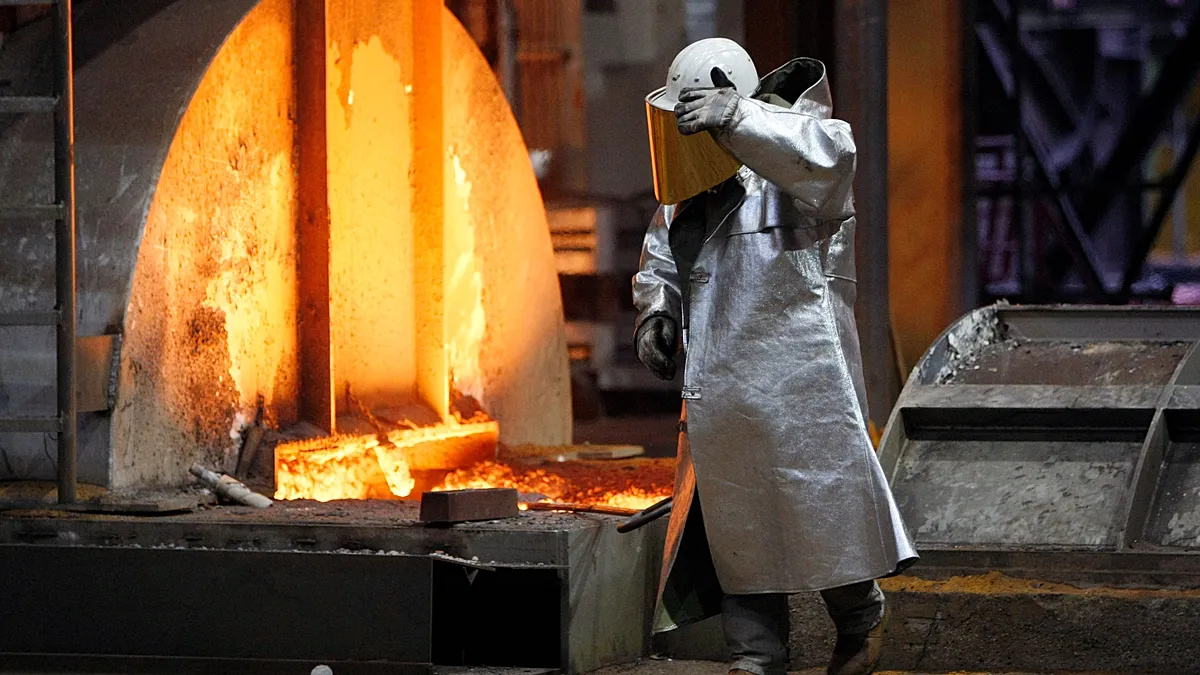
Poinews.com – Germany’s industrial output rises for the first time this year, according to official data released Tuesday by the federal statistics office Destatis. The 0.4% month-on-month increase in April marks a small but significant shift after several months of contraction, driven primarily by a 2.4% surge in construction activity. This rebound, however, is seen as a temporary reprieve rather than a long-term recovery, as analysts warn that the sector remains stagnant and unable to meet the economic demands of the country.
Despite the slight uptick, the industrial output rise is not enough to offset broader challenges. The government recently revised its 2026 GDP growth forecast to 0.5%, down from previous estimates, citing weak manufacturing orders and energy cost pressures. April saw a sharp 3.8% decline in new manufacturing orders, with the automotive sector and electrical equipment industry experiencing over 5% and 4% drops, respectively. Domestic demand also slowed, falling nearly 3%, which suggests a continued struggle to stimulate internal economic activity.
Structural Weaknesses Persist Beneath the Surface
Analysts from ING caution that the April figures conceal deeper structural issues. Carsten Brzeski, head of macroeconomic research at the firm, highlighted that the industrial sector has stagnated for the first four months of 2026, remaining approximately 12% below pre-pandemic levels. He described the German industrial output rise as “simply too little” to reignite confidence, emphasizing that the improvement does not reflect a sustained shift in momentum.
“The headline number is a small step forward, but the broader trend remains stagnant,” Brzeski noted in a recent report. “High hopes and broken dreams continue to define the economic outlook, and this sentiment is unlikely to change in the near term.”
Energy prices have been a major drag on industrial production. With 6% of Germany’s oil sourced from Middle Eastern countries, the ongoing conflict has pushed energy costs to record highs. Energy-intensive industries, which account for nearly a million jobs and contribute 17% to the nation’s industrial gross value added, now face a 10% annual increase in energy product prices. This surge has fueled a year-on-year inflation rate of 2.9% in April, the highest since January 2024, and is expected to persist as supply chains remain strained.
Trade Surplus Stagnates Amid Rising Imports
While exports grew by 0.9% in April, the trade surplus remained largely unchanged as imports rose at a faster rate. This trend highlights the struggle of Germany’s manufacturing sector to maintain competitiveness, with supply chain disruptions and energy cost hikes forcing companies to absorb higher expenses. The Ministry of Economic Affairs estimates that normalization of production levels will take months, citing ongoing capacity losses and delays in energy and commodity supplies.
Earlier reports had shown a reversal in the fortunes of industrial orders. After four consecutive months of over 4% monthly gains, orders declined sharply in April, averaging more than 2% drops each month. This decline has dampened optimism, despite a slight uptick in early-year sentiment and order books. The German industrial output rise appears to be an isolated event, failing to spark a broader recovery in production trends.
Broader Economic Implications
The subdued performance of the industrial sector raises concerns for Germany’s overall economic health. As the backbone of the country’s economy, manufacturing contributes significantly to employment and export revenues. The 0.4% increase in April, though welcome, underscores the fragility of the recovery. If the German industrial output rise cannot be sustained, the nation may face further economic stagnation, particularly in sectors reliant on stable energy and raw material supplies.
Analysts warn that the current situation reflects a complex interplay of global and domestic factors. While the Middle East conflict has disrupted energy markets, other challenges such as the lingering effects of the pandemic, demographic shifts, and high borrowing costs continue to weigh on industrial performance. These factors have collectively slowed the pace of economic growth, leaving the sector vulnerable to setbacks and reducing its ability to drive the country’s broader recovery efforts.