Travelling to Sardinia? These are the beach rules you need to know to avoid up to €3,500 fines
Travelling to Sardinia? These are the beach rules you need to know to avoid up to €3,500 fines Travelling to Sardinia These are the beach - Sardinia’s

Travelling to Sardinia? These are the beach rules you need to know to avoid up to €3,500 fines
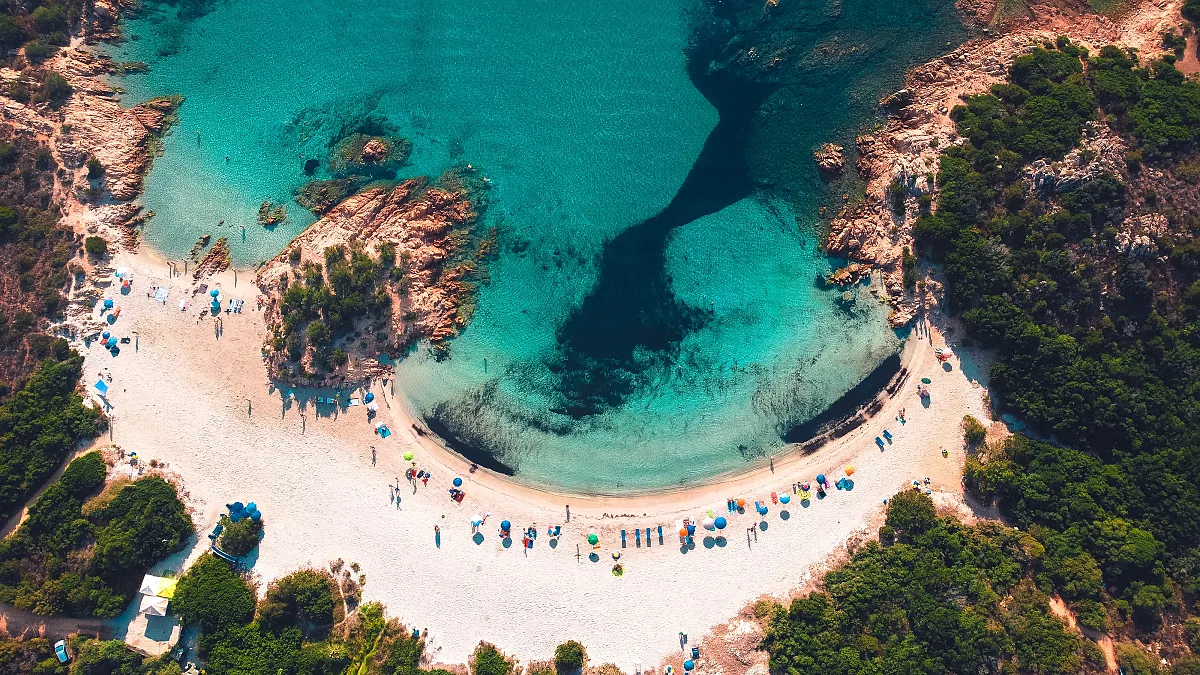
Poinews.com – Sardinia’s coastline, celebrated as one of Italy’s top seaside destinations, faces challenges due to overcrowding and disrespectful visitor habits. To preserve these natural wonders, the island has introduced strict rules, including visitor caps, mandatory bookings, and etiquette guidelines, which could result in fines of up to €3,500 for violations.
Restricted Access at Iconic Beaches
One of the island’s most famous spots, Spiaggia Rosa on Budelli island, has been closed to the public since the mid-1990s. Its unique pink sands, a summer attraction for thousands, were nearly depleted by tourists collecting them as souvenirs. Now, walking on the beach incurs a fine exceeding €500, while stealing sand can cost up to €3,500.
Booking Systems and Fees
In the La Maddalena archipelago, two beaches—Cala Coticcio and Cala Brigantina—allow only 60 visitors daily during the summer months. Access requires advance booking through an online platform, with a €3 charge per person. Guests must also be accompanied by an authorized guide, whom they must contact directly.
Meanwhile, in the north, Cala Brandinchi and Lu Impostu restrict entry to 1,447 and 3,352 visitors respectively between June 1 and September 30. Bookings are handled via the San Teodoro app or a dedicated website. At Cala Mariolu, a limit of 700 people per day applies from June 15 to September 15, with an environmental fee of €2–3 depending on travel mode and additional beach visits.
Entry Fees and Towel Regulations
Visitors to Punta Molentis in Villasimius must pay a €10 fee to access the beach. Similarly, parking at Riu Trottu and Portu Sa Ruxi requires payment: €10–15 per vehicle, and €3 for cyclists or pedestrians. Staff monitor entry points to ensure compliance.
On the west coast, Stintino’s Pelosa beach has a daily limit of 1,500 visitors. Last year, some days saw as many as 4,000 people, prompting stricter measures. Tickets cost €3.50, and a new rule mandates using mats under beach towels to minimize sand disruption. Fines of €100 may be issued on the spot for non-compliance.
East Coast Limitations
At Ogliastra’s Cala Birìala, 300 visitors are permitted daily, with boat arrivals restricted to a 90-minute stay. Cala dei Gabbiani follows the same cap, allowing 300 visitors and a 70–90 minute window for enjoyment. These measures aim to balance tourism with environmental protection.
Broader Trends in Tourism Management
Sardinia’s approach mirrors other destinations grappling with over-tourism. Venice, for instance, now requires bookings and charges fees for entry. In Portofino, the Italian Riviera, lingering too long or blocking streets can lead to fines of €270. These steps reflect a global shift toward sustainable tourism practices.