Lula da Silva formally launches bid for Brazil’s presidency
As Latin America experiences a notable shift toward conservative politics, 80-year-old Luiz Inácio Lula da Silva has officially announced his candidacy for

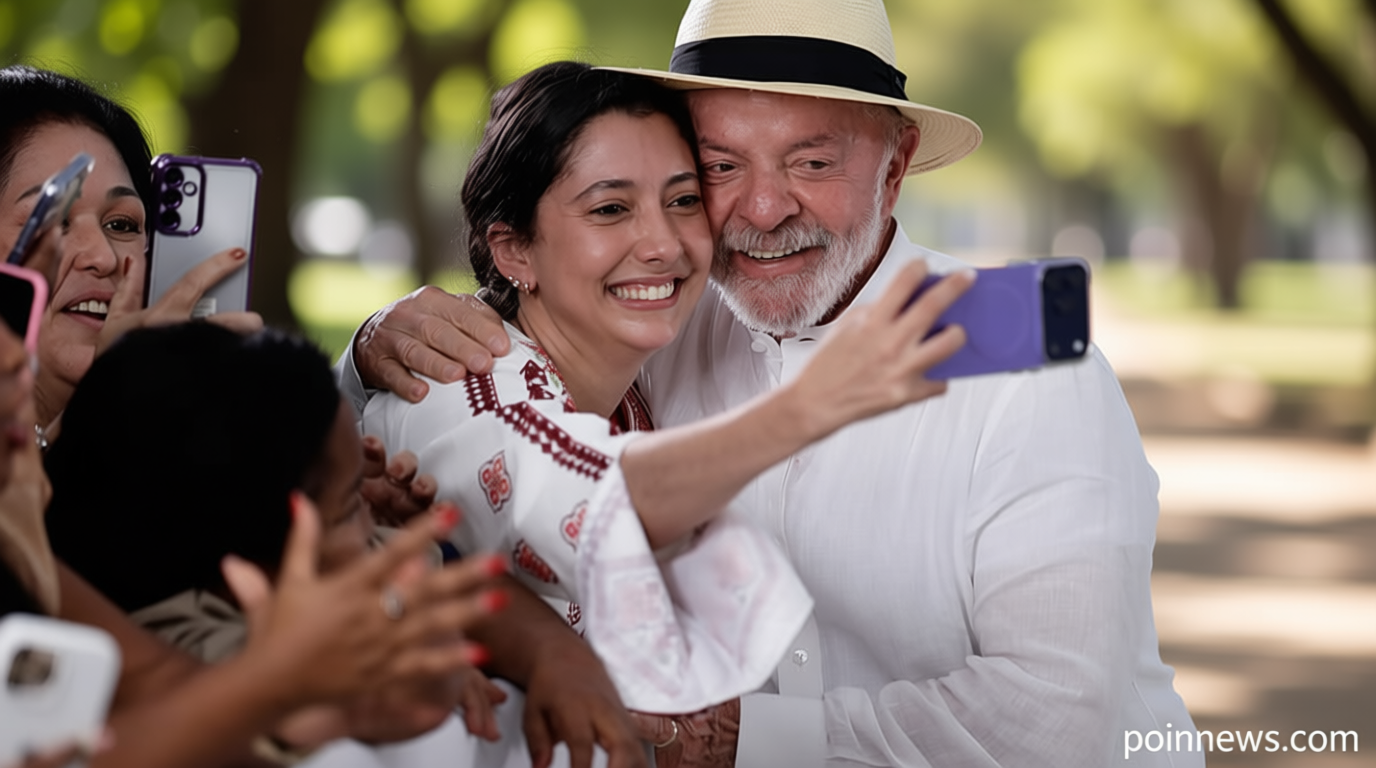
Table of Contents
Lula da Silva Enters Race for Fourth Brazilian Presidency Amid Rising Global Tensions
Poinews.com – As Latin America experiences a notable shift toward conservative politics, 80-year-old Luiz Inácio Lula da Silva has officially announced his candidacy for Brazil’s presidency. The incumbent leader frames his campaign around protecting national sovereignty while navigating increased pressure from Washington, particularly through new customs tariffs introduced by the Trump administration.
Among the most prominent left-wing heads of state remaining in South America, Lula faces a political landscape where right-wing movements have steadily expanded their influence across multiple election cycles. His quest for a fourth term evokes familiar patterns in a deeply divided nation, where the previous contest featured the left-wing contender against far-right figure Jair Bolsonaro.
A New Generation of Opposition
This October’s electoral battle presents a different dynamic. Rather than facing his former adversary directly, Lula will compete against Flávio Bolsonaro, the 45-year-old senator and eldest child of the former president. Flávio assumed his political position following his father’s conviction related to a 2023 coup attempt designed to block Lula from assuming office.
While Lula remains the central figure of the campaign, his Workers’ Party (PT) has assembled a coalition comprising six additional political organizations: PSB, PCdoB, PV, PDT, PSOL, and Rede. This alliance mirrors the victorious 2022 lineup, with Geraldo Alckmin representing PSB as the vice-presidential nominee.
Conversely, Flávio Bolsonaro’s Liberal Party has not yet finalized any formal coalition, though it has secured external support from Argentine President Javier Milei and Israeli Prime Minister Benjamin Netanyahu.
Family Dynamics and Foreign Influence
Complicating matters within the conservative movement, Michelle Bolsonaro was nominated as a senate candidate on Sunday despite her ongoing conflict with her stepson Flávio. With former president Jair Bolsonaro currently confined to house arrest, the two have been competing for dominance within Brazil’s substantial conservative base.
The Bolsonaro family has garnered backing from US President Donald Trump, who is advancing his strategy of international engagement referred to as the “Donroe doctrine.” This external support has prompted Lula to voice his opposition to foreign interference, stating that “in Brazil, we do not accept anyone meddling where they are not invited.”
Economic Challenges and Security Concerns
Trade tensions have escalated significantly. In July, the United States levied tariffs on Brazilian goods, citing unfair commercial practices—a claim Brasília contests. Earlier, in 2025, the White House raised customs duties in response to a judicial decision that sentenced the former Brazilian president to 27 years imprisonment. Those measures were subsequently withdrawn following diplomatic negotiations from Brazil.
Anticipating potential renewed trade conflicts, Lula has centered his governance on safeguarding Brazilian sovereignty. He intends to leverage his campaign to highlight his forty years as the nation’s most consequential political personality.
Despite these efforts, analysts predict a closely contested race. According to the latest Datafolha survey, Lula holds 48% of voter intentions compared to Flávio’s 43%. The 2022 election saw Lula triumph over Jair Bolsonaro by an extremely slim margin.
The former metalworker and labor organizer achieved a remarkable political resurgence four years ago, following imprisonment on corruption charges that were eventually dismissed, along with two prior terms spanning 2003 to 2010.
While his government has achieved robust economic expansion and historic employment figures, households express frustration regarding rising living expenses, and the budget shortfall continues to deepen. Security remains another pressing issue for many Brazilians, with tens of millions residing in disadvantaged areas governed by criminal organizations.
Corruption questions affect both major candidates. Flávio Bolsonaro faces scrutiny for allegedly requesting funds from a banker—who himself confronts serious financial fraud accusations—to support a documentary about his father. Meanwhile, investigators recently launched an inquiry into one of Lula’s sons, known as “Lulinha,” who is suspected of engaging in corruption and influence peddling.
Regional Political Shifts
The Workers’ Party, established in 1980 by Lula da Silva, is convening its national convention this Sunday in São Paulo, where the presidential announcement will take center stage as Lula pursues re-election.
Recent developments across Latin America illustrate the broader rightward movement. Peru recently returned to conservative leadership through the election of Keiko Fujimori, signaling the resurgence of Fujimorismo twenty-six years after her father, Alberto Fujimori, departed office. Similarly, in June, Abelardo de La Espriella secured victory in Colombia’s ultra-right elections.
Related Reading
Frequently Asked Questions
What is Lula da Silva formally launches bid?
Lula da Silva formally launches bid is the main topic of this guide. The article explains the context, practical details, and next steps readers should understand.
Why does Lula da Silva formally launches bid matter?
Lula da Silva formally launches bid matters because readers are looking for a useful answer, not just a short summary. Good content should match search intent and help them decide what to do next.