Wildfires up 57% in Europe in just four years, WHO warns
Wildfires up 57 in Europe in just four years, according to a new warning from the World Health Organization. This summer has seen devastating blazes erupt

Wildfires up 57 in Europe: A Growing Health Crisis
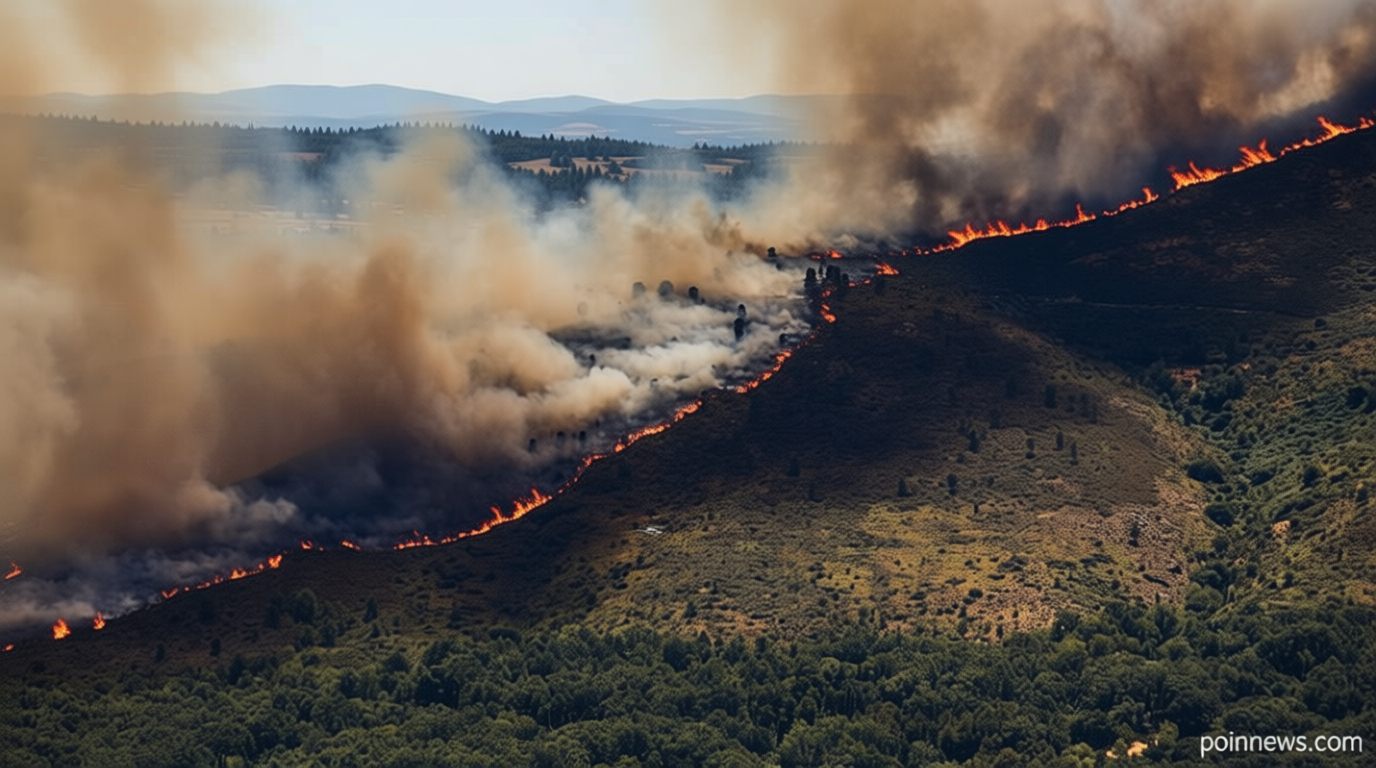
Poinews.com – Wildfires up 57 in Europe in just four years, according to a new warning from the World Health Organization. This summer has seen devastating blazes erupt across multiple nations, including France, Germany, Greece, Spain, and Portugal. Tragically, firefighters have lost their lives while battling these intense fires in France and Italy. From January through 22 July, European authorities detected 1,254 separate fires, releasing more than 8.31 million tonnes of carbon dioxide into the atmosphere. The WHO Europe office announced on Friday that these fires are not only increasing in frequency but also growing in intensity, signaling a concerning trend for the continent.
The statistics reveal alarming regional patterns. Both Portugal and Spain have experienced a remarkable 100% increase in wildfire activity this year compared to the same timeframe in 2025. When examining the broader picture since 2022, the WHO European Region has witnessed a 57% rise in wildfire occurrences. Last year alone, approximately 2.2 million hectares of land were consumed by flames. This year, the damage is already significant, with 254,388 hectares destroyed by 22 July, according to data from the European Forest Fire Information System (EFFIS).
Health Impacts Extend Far Beyond the Flames
“As climate change drives a warming world, we need to prepare for more frequent and intense wildfires,” emphasized Hans Henri P. Kluge, the head of WHO Europe. The consequences of these fires extend well beyond immediate destruction. Wildfires destroy homes and livelihoods, force mass evacuations, disrupt healthcare systems, and claim lives. However, their impact on human health persists even for populations located miles away from the fire zones.
“The health impacts extend far beyond the flames,” Kluge noted. Wildfire smoke can travel hundreds of kilometres, significantly worsening air quality in regions far from the actual fire zone. This smoke contains a dangerous combination of pollutants, including PM2.5 particles, nitrogen dioxide (NO2), ozone, aromatic hydrocarbons, and lead. Additionally, when fires consume homes or buildings, they release toxic chemicals from electronics, furniture, plastics, and paints into the surrounding air.
The respiratory and cardiovascular systems bear the brunt of this pollution. Smoke travels long distances, worsening heart and respiratory conditions while also affecting mental health. Vulnerable populations face particular risks, including older people, children, pregnant women, and individuals with chronic diseases. The WHO has called on governments to ensure timely delivery of wildfire, weather, and air-quality alerts, along with clear health advice and accessible primary and emergency care services.
Protective Measures for Communities
For those living in or travelling through affected areas, following official guidance is essential. The WHO recommends that people move away from active fires when it is safe to do so and avoid unnecessary travel during periods of heavy smoke. If going outdoors near wildfire smoke is unavoidable, wearing a well-fitting protective mask can provide important respiratory protection. These measures, combined with improved early warning systems, will help communities better navigate the growing challenge of wildfires across Europe.