UN to close its human rights office in Burkina Faso following junta’s suspension
UN to Close Its Human Rights Office in Burkina Faso After Junta Suspension UN to close its human rights - The United Nations has announced its decision to

UN to Close Its Human Rights Office in Burkina Faso After Junta Suspension
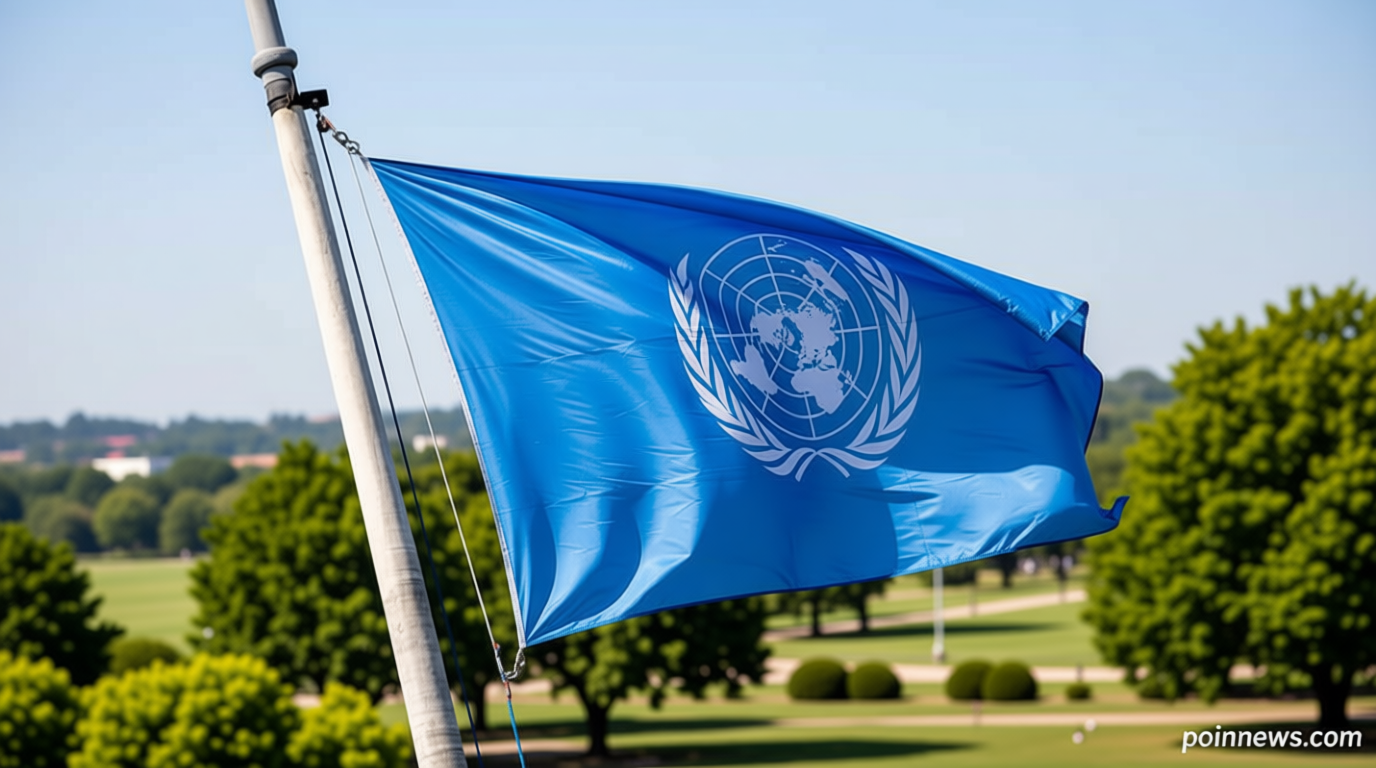
Poinews.com – The United Nations has announced its decision to shut down the human rights office in Burkina Faso, a move directly linked to the military government’s indefinite suspension of the institution’s operations. This action, which will take effect by 30 November 2023, follows months of tension between the UN and the junta that seized power in September 2022. The office, which had been instrumental in addressing human rights violations and supporting civic initiatives, is now being phased out as the government continues to restrict the work of international bodies. The closure underscores the junta’s growing influence over the country’s political and social landscape, reducing the UN’s capacity to monitor and address ongoing abuses.
Political Climate and Suspension of Activities
The suspension of the human rights office in Burkina Faso began in February 2023, when the junta issued a press release criticizing the UN for its perceived interference in national affairs. This decision came after months of escalating pressure on the government to align with its policies, particularly regarding the preservation of civic freedoms. The office’s activities, which included field investigations and advocacy for human rights, were seen as a threat to the junta’s authority. The UN’s response to the suspension has been marked by a series of diplomatic efforts to restore cooperation, but these have so far failed to prevent the closure.
“The suspension of our operations in Burkina Faso reflects the junta’s determination to control the narrative around human rights. While we continue to support the country’s development, the current environment makes it challenging to sustain our presence,” remarked Volker Türk, the UN High Commissioner for Human Rights, in a recent statement. This sentiment highlights the broader implications of the closure, as it signals a shift in the balance of power between international institutions and the local government.
Junta’s Policies and Impact on Civil Society
Since assuming power, the junta led by Captain Ibrahim Traoré has implemented policies that have significantly impacted civil society and human rights advocacy. Traoré, who took charge at the age of 38, has emphasized the need to protect national sovereignty and combat jihadist threats, which has led to a crackdown on dissenting voices. This includes restrictions on freedom of expression, arbitrary detentions of activists, and the suspension of key international collaborations. The UN’s human rights office had previously documented numerous cases of violence and discrimination, but its ability to report on these issues has been curtailed by the junta’s decision.
Regional concerns have further complicated the situation, as Burkina Faso’s military rulers have realigned their geopolitical strategies to distance themselves from Western allies. The closure of the UN office is part of a broader effort to assert independence from international oversight, particularly in light of the country’s growing instability and the challenges posed by armed groups in the Sahel. The junta’s actions have drawn criticism from human rights organizations, which warn that the absence of the UN’s presence could lead to a worsening human rights crisis.
UN’s Strategic Response and Future Plans
In response to the suspension, the UN has outlined a strategy to adapt its operations in Burkina Faso, though the closure of the human rights office remains a major setback. The office had been a vital component of the UN’s efforts to promote accountability, protect vulnerable populations, and foster dialogue between the government and civil society. With its closure, the UN will rely more heavily on regional partners and other agencies to continue its mission. However, experts argue that this shift may limit the effectiveness of human rights advocacy, especially in a country already facing significant security and political challenges.
The decision to close the office also reflects the UN’s growing difficulties in maintaining its mandate in regions where governments are resistant to international scrutiny. While the UN continues to emphasize its commitment to human rights, the suspension in Burkina Faso highlights the challenges of operating in a country with a military regime that prioritizes sovereignty over collaboration. The office’s closure is expected to reduce the UN’s ability to provide timely reports on human rights violations, potentially delaying international action on critical issues.
Broader Implications for the Sahel Region
The closure of the UN’s human rights office in Burkina Faso is part of a larger pattern in the Sahel region, where military governments have increasingly resisted international oversight. In neighboring Mali and Niger, similar suspensions have occurred, with leaders shifting alliances from France to Russia in response to perceived Western bias. This realignment has created new tensions in the region, as countries seek to assert their independence while dealing with persistent security threats. The UN’s reduced presence in Burkina Faso may further weaken its ability to address human rights issues across the Sahel, where the agency has been a key player in recent years.
Despite the closure, the UN remains committed to supporting Burkina Faso’s development and stability. The agency has pledged to continue its work through alternative channels, including partnerships with local NGOs and regional organizations. However, the loss of the human rights office represents a significant challenge to the UN’s capacity to monitor and respond to ongoing abuses. The decision has sparked debates about the effectiveness of international institutions in influencing national policies, particularly in countries with strong military leadership.