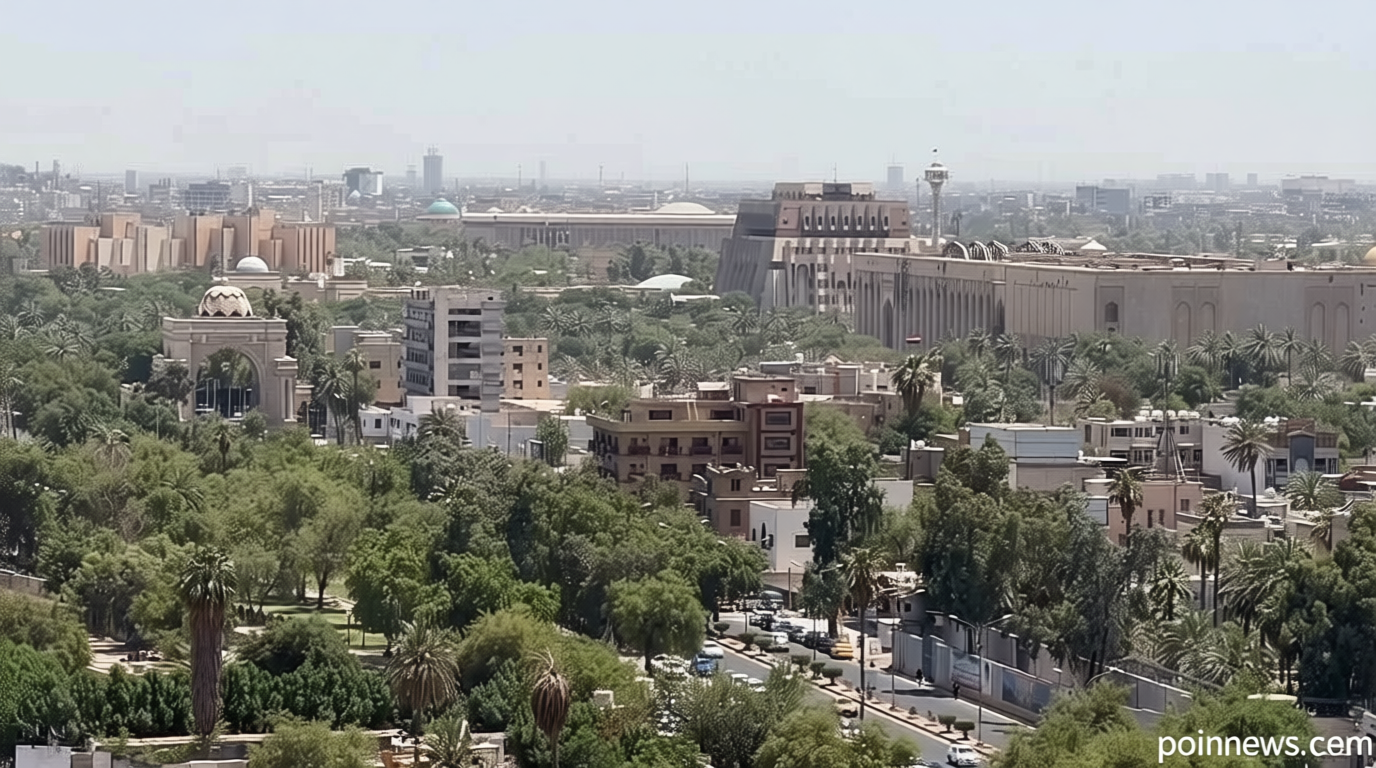
Anger, fear, shock and compassion: Ceuta’s uncertain path back to normality
My brief visit to Ceuta lasted under thirty hours, concluding just four days after the crisis began. What I witnessed was a community navigating through

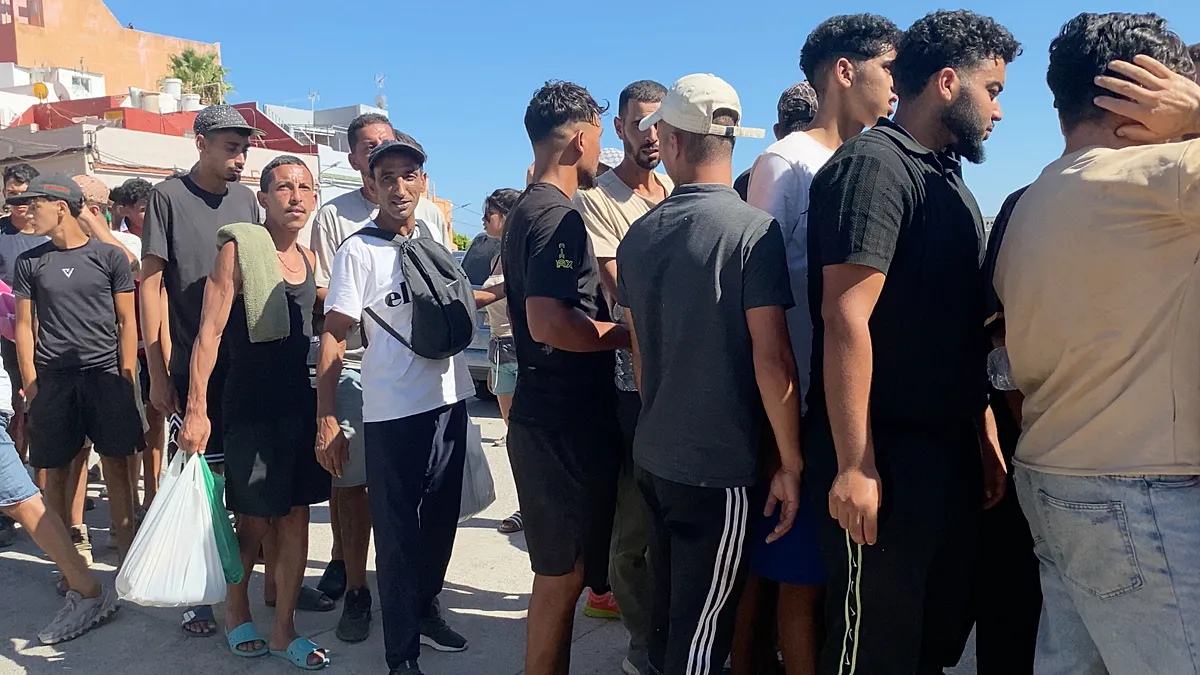
Table of Contents
A City in Transition: Ceuta’s Journey Toward Stability
Poinews.com – My brief visit to Ceuta lasted under thirty hours, concluding just four days after the crisis began. What I witnessed was a community navigating through confusion, worry, and empathy as it attempts to return to everyday life.
Voices of Discontent
Upon arrival, news spread quickly that locals had organized a protest against their government. Despite official claims that nearly everyone had gone back to Morocco, residents felt deeply let down. Crowds chanted slogans including “Ceuta is not for sale” and “Pedro Sánchez, resign!” while expressing feelings of humiliation and abandonment.
“This cannot be, Spain cannot have such a useless intelligence service that it has no idea what is going on in Ceuta,” one woman told me, saying she had not managed to sleep for two nights and had shut herself away at home with her granddaughters.
“This is a military city. The 3,000 soldiers we have should have been deployed to defend it,” said another participant as she waved a Spanish flag.
“No one came out to say absolutely anything. At least to say what we are going to do. A plan. Nothing,” said a third demonstrator, before launching into fierce criticisms of the government’s migration policies and its management of the crisis.
Uncertainty Among Residents
Beyond anger, an unmistakable anxiety permeated the streets. The presence of predominantly male migrants, with an undetermined number still roaming beaches, parks, and vacant lots, created unease. The Government Delegation confirmed at least 1,000 minors remain in the city.
“There is no money in Morocco. That is why we came to Spain. But here we have been treated very badly,” one of them told me, as he wandered aimlessly down a main street at midday, in 33°C heat.
“My father, my whole family are poor. Now we are here and we try to get by. We sleep on the street. We are here, life is very hard, but…,” another told me, as he wandered towards the city’s port.
“Are you going to try to stay here or will you have to go back?” I asked him. “For now, here. I don’t know how long I can hold out here,” he replied.
Security Concerns and Humanitarian Response
Even moderate residents described feeling vulnerable. One man playing with his dog explained that security forces struggle to maintain control.
“You feel afraid because everything gets out of control, you feel that the security forces cannot keep up,” a man told me as he played with his dog. “For the safety of the people who live over there in Morocco and of those of us who live here, since a border has to be in place, it needs to be a solid one.”
Spanish authorities reported that at least 75 people drowned attempting to cross the sea near the border, now guarded by a floating barrier. Fears persist that additional victims may have been lost.
Meanwhile, humanitarian organizations work tirelessly. Luna Blanca has helped at least 4,000 people since the crisis began. On my filming day alone, 2,000 food portions were distributed within two hours.
“We are human first and foremost. We cannot allow people to die of hunger. So, where does humanity come in? What do we care about the pull factor?” she replied, as she handed out milk, bread, sponge cakes and biscuits to migrants.
“Do you know what the pull factor is? The pull factor is the rumours that spread on social media saying that when a migrant arrives in Spain a red carpet is rolled out, they are given 1,500 or 1,800 euros in benefits, every social benefit imaginable is opened up to them, with soup kitchens for their children. The only thing they still need to tell them is that they are given a car and a holiday flat as well. That is the pull factor.”
Halima Ahmed Iacobi, the NGO’s coordinator, dismissed concerns that aid might attract more migrants, emphasizing that humanity must come before policy considerations.
Looking Forward
As security forces conducted operations—escorting migrants back to their entry points and managing crowds at central beaches—the city grappled with multiple emotions simultaneously. Between indignation, fear, anguish, incomprehension, mistrust, bewilderment and compassion, Ceuta faces an uncertain struggle to regain normality.
Related Reading
Frequently Asked Questions
What is Anger fear shock and compassion?
Anger fear shock and compassion is the main topic of this guide. The article explains the context, practical details, and next steps readers should understand.
Why does Anger fear shock and compassion matter?
Anger fear shock and compassion matters because readers are looking for a useful answer, not just a short summary. Good content should match search intent and help them decide what to do next.