Heatwaves are killing tens of thousands in India. Officials are barely counting them
ll Tens of Thousands in India – Undercounted Crisis Heatwaves are killing tens of thousands of lives in India, according to a recent study that reveals the

Heatwaves Kill Tens of Thousands in India – Undercounted Crisis
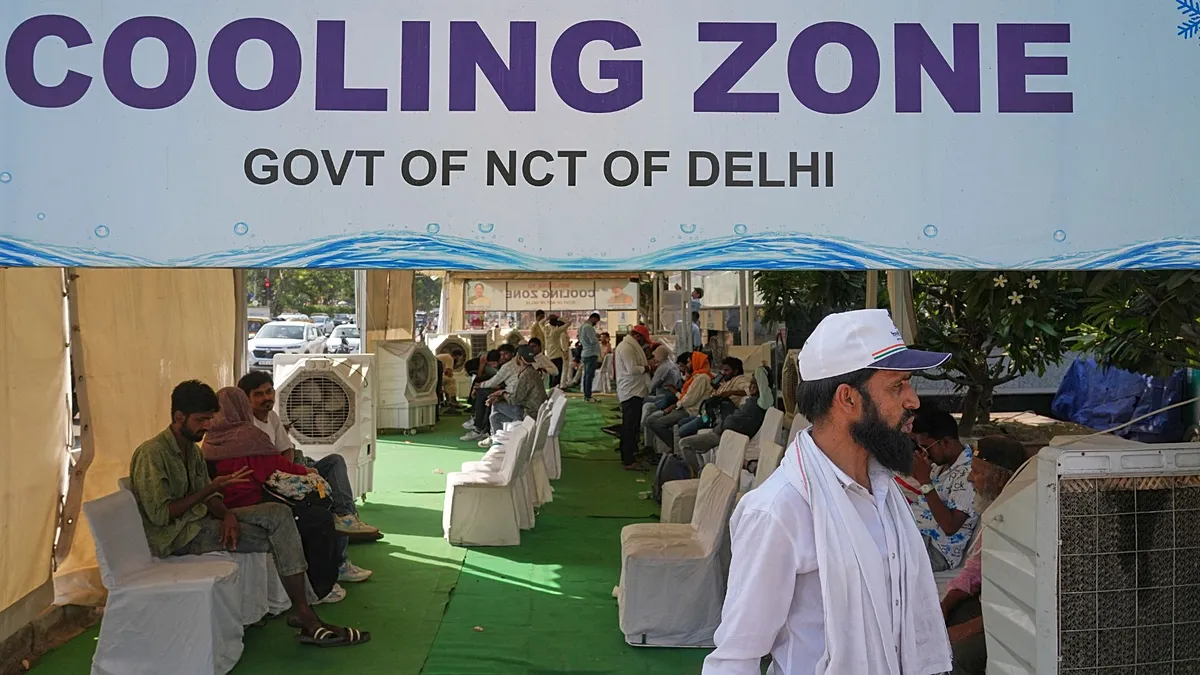
Poinews.com – Heatwaves are killing tens of thousands of lives in India, according to a recent study that reveals the staggering human cost of rising temperatures. As the country’s summer heatwaves intensify, regions like Uttar Pradesh have seen temperatures exceed 48°C in May, creating a deadly environment for vulnerable populations. The research, published in the Frontiers in Environmental Health journal, estimates that a single day of extreme heat leads to approximately 3,400 additional deaths across the nation, while a five-day heatwave could result in nearly 30,000 extra fatalities. This underscores the critical need for improved monitoring and response strategies to address the growing threat of heatwaves.
Underestimated Mortality Rates
Despite these alarming figures, official records of heatwave-related deaths in India remain significantly lower, with annual counts typically ranging from 500 to 1,500. This discrepancy arises from inconsistent data collection methods and the exclusion of indirect effects, such as the worsening of preexisting health conditions. For instance, prolonged exposure to heat can exacerbate respiratory and cardiovascular diseases, leading to deaths that are often not directly attributed to the heatwave. Researchers argue that the current system fails to capture the full extent of the crisis, particularly in rural areas where access to healthcare is limited.
India’s meteorological department defines a heatwave as occurring when temperatures in plains regions surpass 40°C or in hilly areas exceed 30°C, with at least two consecutive days above the normal average by 4.5°C. However, this threshold may not account for the cumulative impact of extended heat events. The study’s methodology, which projected excess deaths by matching districts to similar urban cities, allows for a more comprehensive analysis of heatwave effects, including those caused by indirect factors like dehydration, heat exhaustion, and heatstroke-related complications.
Regional Disparities and Vulnerable Populations
The research highlights stark regional disparities in heatwave mortality, with five states accounting for 66% of all excess deaths despite contributing only 29% to the national GDP. This inequality reflects the uneven distribution of resources and infrastructure across different parts of the country. In rural areas, where many workers engage in outdoor labor such as agriculture, the risk is particularly high. Limited access to cooling systems, healthcare facilities, and early warning mechanisms exacerbates the situation, making these communities more susceptible to the deadly impacts of heatwaves.
Experts emphasize that the combination of extreme heat, inadequate healthcare access, and poor mortality tracking creates a perfect storm of risk. For example, during the 2024 heatwave, over 62,000 people died in Europe’s record-breaking conditions, while Spain reported 101 heat-related deaths in May 2026 alone—three times the average for the same month in the past decade. These global examples illustrate how heatwaves are increasingly shaping public health outcomes. In India, the challenge is compounded by socioeconomic factors that leave marginalized groups disproportionately affected.
“The true scale of the crisis is far greater than what is officially recorded,”
notes the study’s lead author, calling for a more holistic approach to measuring heat-related deaths. By accounting for indirect effects, the research provides a clearer picture of the human toll. This approach is vital for developing effective interventions, as it allows policymakers to prioritize regions and communities most at risk. Without such data, the response to heatwaves may remain insufficient, leaving thousands of lives in jeopardy.
As global temperatures continue to rise, the frequency and intensity of heatwaves are expected to increase, putting more pressure on healthcare systems and communities. The findings from this study not only shed light on the undercounted mortality from heatwaves in India but also serve as a warning for other countries facing similar challenges. By implementing localized heat action plans, upgrading infrastructure, and improving data collection, nations can better prepare for the escalating impacts of extreme heat. This is not just a matter of climate adaptation—it’s a critical step toward saving lives in a warming world.