Books, authors and readers: a day at the Lisbon Book Fair
Books, Authors and Readers: A Day at the Lisbon Book Fair Books authors and readers - Lisbon locals are familiar with the tradition: during the final weeks of

Books, Authors and Readers: A Day at the Lisbon Book Fair
Poinews.com – Lisbon locals are familiar with the tradition: during the final weeks of May and early days of June, Eduardo VII Park transforms into the nation’s largest literary marketplace. For book enthusiasts, the event offers a haven of thousands of titles, curated by publishers from across the country. This year, the fair features 350 stalls managed by 128 participants, showcasing works from nearly 900 publishing houses.
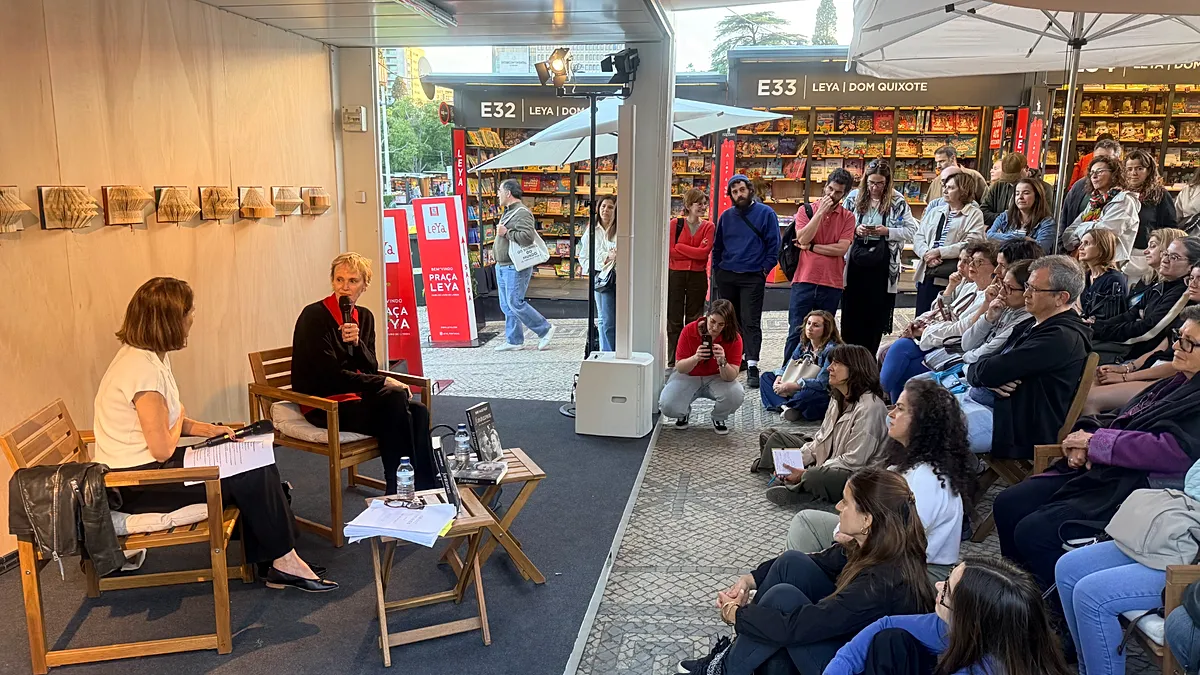
Organizers report that the past five editions drew an average of 850,000 attendees. The June 4th public holiday, which falls on a midweek day and coincides with favorable weather, is expected to boost turnout. At Praça Leya, a diverse crowd gathered, with some lining up for autographs and meetings with German-American author S.T. Ashman, while others explored the space where generations of writers—ranging from Hugo Van Der Ding to Daniel Sampaio, Cristina Norton, and renowned Angolan novelist Pepetela—shared their work.
Voices from the Fair
“Year after year, there are more people, more crowds, and that is good. It is very good because people say no one reads anymore. That is partly true, but there are pockets of resistance. This is an example. Books are a celebration, exactly as we like it to be,”
Pepetela, who won the Camões Prize in 1997, told Euronews. Carla Pais, a Portuguese author based in France, returned to Portugal for the event, aligning with the release of her latest novel, A Sombra das Árvores no Inverno, which claimed last year’s Leya Prize. She also recently published a poetry collection, A Brutalidade do Movimento Conjugado.
“It is remarkable to see so many people from different generations, including children, older adults, and even grandchildren, united by their shared passion for books and literature,”
Pais shared with Euronews, emphasizing the fair’s role as a unifying space.
Highlight of the Day
The standout moment came with the appearance of US writer Siri Hustvedt, who presented the Portuguese edition of Fantasmas. The memoir chronicles her reflections on over 40 years of collaboration with Paul Auster, the late literary icon. Hustvedt, joined by her translator Tânia Ganho, drew a record crowd, with many attendees forced to stand or sit on the ground due to limited seating.
Paulo Santos, a 54-year-old public sector manager, is a devoted fan of Auster’s work and Hustvedt’s writing. He expressed his eagerness to engage briefly with the author.
“Siri is one of the key figures keeping Auster’s legacy alive, even beyond his vast body of work. After his passing, I began exploring her books, though I’ve only read one so far—Elegia para um Americano. Auster has been a constant presence in my life, and I’m drawn to the introspective atmosphere of his fiction,”
Santos said, highlighting the enduring impact of both authors.
Behind the Scenes
Now in its 96th year, the Lisbon Book Fair is organized by the Portuguese Publishers and Booksellers Association (APEL), led by Miguel Pauseiro. He acknowledged the debate over sales trends but stressed the event’s significance as a celebration of literature.
“There will always be those who claim they’re selling fewer books than before, and others who say they’re selling more. But what matters is that this is a moment of joy, a chance to reaffirm the value of books in our lives,”
Pauseiro remarked, defending the fair’s focus on cultural enrichment.
However, APEL’s decisions have faced scrutiny from DNL Convergência, a small publishing group that distributes titles for other independent publishers. The organization recently launched a petition opposing its exclusion from this year’s edition. Despite the criticism, Pauseiro highlighted the influence of major publishing groups, noting their collective representation of approximately 15 imprints.