Around 20,000 people displaced by Philippine earthquake that killed at least 37
20,000 Displaced by Philippine Earthquake Killing 37 Around 20 000 people displaced by Philippine - Over 20,000 people have been displaced following a

20,000 Displaced by Philippine Earthquake Killing 37
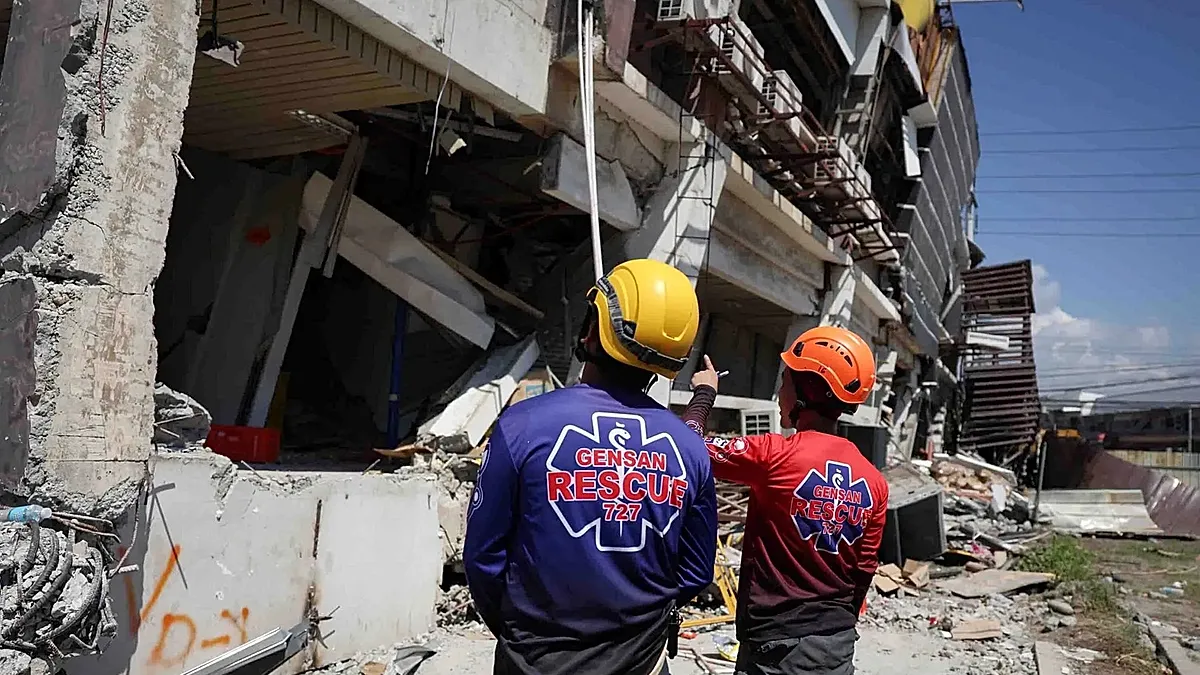
Poinews.com – Over 20,000 people have been displaced following a devastating 7.8-magnitude earthquake in the Philippines, which claimed at least 37 lives and caused widespread destruction across several regions. Emergency responders worked tirelessly to clear debris and search for survivors in the aftermath, as the quake’s epicenter near the coast of Mindanao triggered panic in coastal communities. While the exact number of missing individuals remains low, the scale of the disaster has left thousands without shelter, highlighting the urgent need for relief efforts. The focus keyword around 20 000 people displaced underscores the severity of the situation, as authorities prioritize recovery while managing the ongoing risks of secondary disasters.
Regional Impact and Casualty Reports
The earthquake struck off the coast of Mindanao, one of the Philippines’ most populous islands, causing severe damage in General Santos and surrounding areas. At least 13 people were killed in the city due to collapsing structures, while 18 fatalities were reported in Sarangani province after a deadly landslide in the mountain town of Glan. Additional casualties were recorded in South Cotabato, Davao Occidental, and on Balut Island, with the death toll reflecting the earthquake’s intensity and the region’s vulnerability. The displacement of around 20,000 individuals has created a massive humanitarian challenge, as families scramble to find temporary housing and basic necessities.
“The earthquake’s impact was felt across multiple provinces, but the most critical damage occurred in coastal areas where infrastructure was already fragile,” stated a spokesperson from the National Disaster Risk Reduction and Management Council.
Coastal Threats and Rescue Operations
Residents in coastal regions fled their homes immediately after the quake, fearing a tsunami despite the relatively modest wave heights observed. Waves reaching 1.4 meters above normal tide levels caused minor damage to six shanties built on stilts, while the surrounding areas experienced less severe effects. Rescue teams deployed in the affected regions faced difficult conditions, inspecting rubble-filled buildings to locate any trapped survivors. The rapid response efforts have been crucial in preventing further casualties, though the search for potential victims continues in areas where buildings partially collapsed.
Infrastructure Damage and Disruption
The initial damage assessment revealed over 2,000 homes and 117 government facilities affected by the quake, with the General Santos International Airport among the key sites closed for repairs. This disruption led to the cancellation of 63 domestic flights, although emergency flights ensured the continued flow of relief supplies. Public schools in the region were also forced to close, with officials emphasizing the need for thorough inspections before resuming classes. The displacement of around 20,000 people has disrupted daily life, with many schools serving as temporary shelters for displaced families and children.
“The infrastructure damage is significant, but the priority now is to ensure the safety of displaced communities and provide immediate support,” said a civil defense official.
Historical Context and Seismic Activity
This earthquake, measuring 7.8 on the Richter scale, is the strongest recorded in the Philippines in 50 years. Triggered by movement in the Cotabato Trench, the tremor highlighted the country’s susceptibility to seismic events. The 1976 undersea earthquake, which generated massive tsunami waves and killed 8,000 people, serves as a grim reminder of the potential for devastation. Seismologists note that the 2026 quake, while less severe than its historical counterpart, still underscores the importance of preparedness and resilient infrastructure in a nation prone to natural disasters.
Global Aid and Recovery Efforts
International aid organizations and neighboring countries have pledged support to the Philippines as recovery efforts gain momentum. The U.S., France, Japan, and New Zealand have dispatched teams to assist with rescue operations and provide resources for rebuilding. Local authorities are working to coordinate these efforts, ensuring that aid reaches those in need efficiently. The displacement of around 20,000 people has also prompted discussions about long-term strategies to reduce the impact of future disasters, including improved early warning systems and community education programs.
“The scale of the disaster has galvanized both national and international response, but the road to recovery will require sustained effort and investment,” said a relief coordinator.
Community Resilience and Future Preparedness
As the situation stabilizes, communities in the Philippines are demonstrating resilience in the face of adversity. Local volunteers and aid workers are playing a vital role in distributing supplies and providing emotional support to displaced families. The government has announced plans to accelerate rebuilding and allocate resources for housing and healthcare. With its location on the Pacific Ring of Fire, the Philippines remains at high risk for earthquakes, typhoons, and volcanic eruptions, reinforcing the necessity of disaster preparedness. The displacement of around 20,000 people in this event serves as a catalyst for strengthening response mechanisms and ensuring that the country is better equipped to handle such crises in the future.