Newsletter: Squeezing Moscow’s war chest
Newsletter: Squeezing Moscow's War Chest Newsletter - Brussels is the hub for today's newsletter, penned by Mared Gwyn, offering essential updates for your

Newsletter: Squeezing Moscow’s War Chest
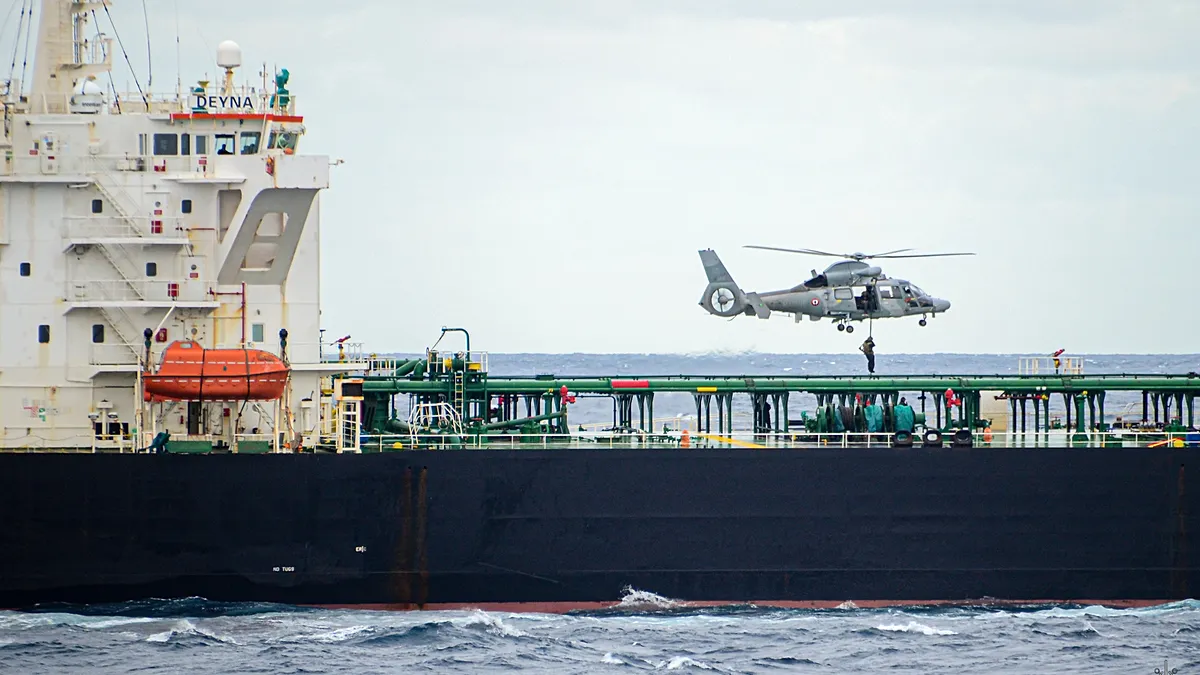
Poinews.com – Brussels is the hub for today’s newsletter, penned by Mared Gwyn, offering essential updates for your morning. The focus is on a new set of economic measures targeting Russia, with the European Commission anticipated to unveil its 21st sanctions package this afternoon. These rules aim to tighten control over Russian oil prices, currently capped at $44 per barrel, which must stay 15% below market rates. With Urals crude prices climbing due to recent geopolitical shifts, the next adjustment, scheduled for July 15, is expected to raise the limit rather than lower it. However, officials in Brussels are determined to prevent Moscow from gaining any breathing room, especially as attacks on Ukrainian cities continue.
Sanctions Strategy and the Shadow Fleet
The Commission may choose to postpone the revision or set a permanent cap, ensuring sustained pressure on the Russian economy. While the original plan for a maritime ban on oil tankers has faltered, the price cap remains a central tool in limiting the flow of funds to the war effort. This latest round will also target the so-called “shadow fleet” and entities aiding Russia in evading sanctions. The goal is to solidify the cap and close existing loopholes.
Meanwhile, Ireland is grappling with a public relations crisis linked to its role in the upcoming EU Council presidency. A controversy involving Aughinish Alumina, a company facing criticism for its environmental practices, has drawn attention. EU Foreign Policy Chief Kaja Kallas is set to meet her Irish counterpart Helen McEntee in Dublin today, where the issue will be discussed.
Targeting Key Figures
Individuals under scrutiny include Patriarch Kirill, the head of Russia’s Orthodox Church. Though previously shielded by Hungary, the new government has signaled willingness to sanction him. This move reflects broader efforts to target figures perceived as supporting the war in Ukraine. The Commission aims to finalize the sanctions by July 15 to prevent an automatic review of the oil price cap.
“Allowing Taliban representatives to travel to Belgium is a form of recognition that is incompatible with EU values,” Saskia Bricmont from the Greens/EFA group wrote on social media.
MEPs from five political groups have also called on Belgium to deny visas to Taliban officials set to attend discussions in Brussels. Their concern centers on the regime’s human rights record and its potential to influence EU policies.
Defence Cooperation in Question
France and Germany have announced the suspension of a joint fighter jet program, citing internal disagreements. The Future Combat Air System (FCAS), launched in 2017 to replace France’s Rafale jets and Spain’s Eurofighter planes, was intended to strengthen European unity in defense. Its cancellation comes as relations with the United States grow strained, complicating efforts to build a cohesive military front against Russia.
Climate and Emissions Targets
Seven EU nations have urged Brussels to maintain strict car emission standards, warning that any reduction could threaten climate goals and energy security. The push comes amid growing pressure to balance economic growth with environmental commitments. The issue has been highlighted in a recent document, emphasizing the need to preserve CO2 regulations for vans and passenger vehicles.