Why the EU is betting on prevention in its new wildfire strategy
Europe's forests have already lost more than 434,976 hectares to flames this year, based on figures released on July 30 by the European Forest Fires

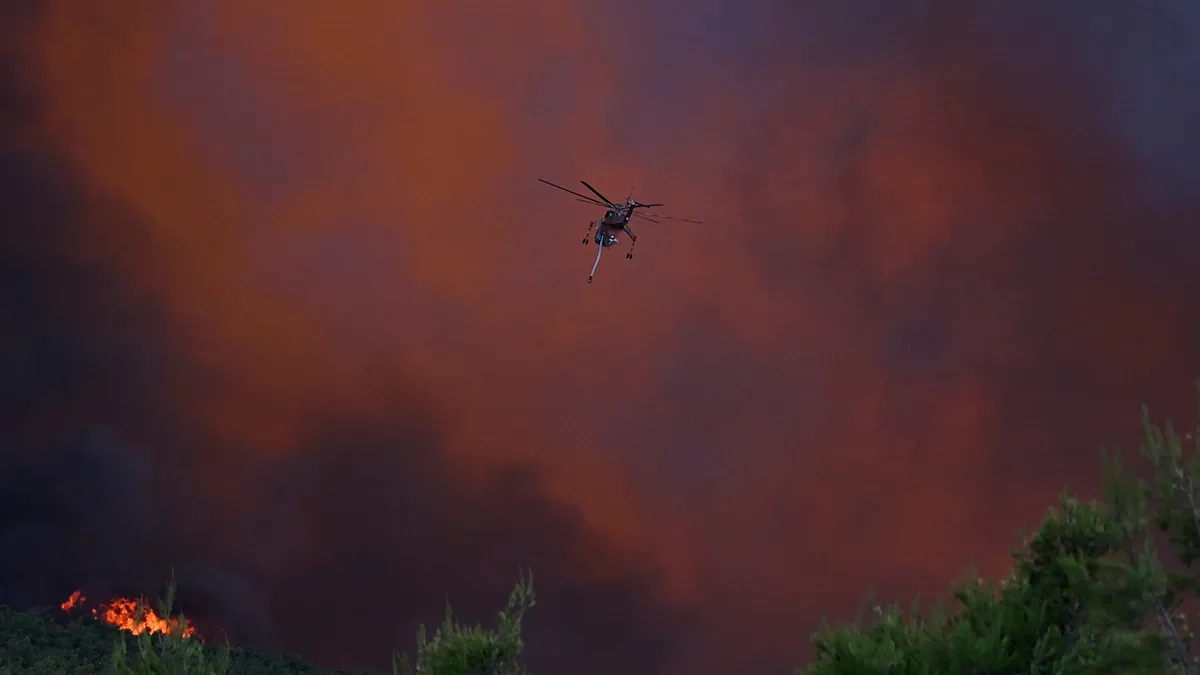
Table of Contents
A New Approach to Europe’s Wildfire Crisis
Poinews.com – Europe’s forests have already lost more than 434,976 hectares to flames this year, based on figures released on July 30 by the European Forest Fires Information System. That figure follows 2025, which saw over one million hectares consumed by fire—the most devastating season documented in European history. Brussels has now chosen to fundamentally alter how the continent tackles these blazes.
For years, the European Union’s strategy centered on acquiring additional resources: more aircraft, heavier trucks, and larger firefighting crews. The current approach pivots toward a different objective entirely—preventing small ignitions from escalating into disasters. Alexander Held, who brings twenty-five years of experience in continental fire policy as a forester with both the European Forest Institute and the Pan-European Forest Risk Facility, explains the reasoning clearly. When conditions combine heat, dryness, and wind, even the largest fleets of planes cannot ensure containment.
“If you look at what’s happening right now from Portugal to Spain to France to Greece to Turkey to Germany, we have simultaneous large fires,” he notes.
Such widespread events strain even veteran emergency services. Held identifies a persistent misallocation of resources as a core problem. Despite numerous EU statements emphasizing resilience over the past two decades, financial support has continued favoring suppression efforts. “It is easier to invest in the response side,” he observes, noting that purchasing equipment like helicopters presents fewer complications than developing preventive measures. Portugal stands out as a notable counterexample, redirecting approximately half of its wildfire expenditure toward land management and prevention instead of relying solely on firefighting operations.
Held advocates for a balanced allocation: one euro dedicated to risk reduction before fires ignite should match every euro spent putting out flames. The European Commission has embraced this principle in its policy framework.
“We cannot focus only on literally putting out fires,” states Anna-Kaisa Itkonen, the Commission’s spokesperson for energy, climate, environment and transport. “Preparedness for us is really, really important.”
Four Pillars of a New Strategy
In March 2026, the Commission unveiled its Integrated Wildfire Risk Management strategy, marking a decisive shift from a response-driven model to one organized around four foundational elements: prevention, preparedness, response, and recovery, with prevention positioned as the priority. Three factors drove this transformation.
First, Europe experienced its most severe fire season on record. Second, climate change intensifies fires, extending their duration and increasing difficulty. Third, approximately 96 percent of ignitions connect to human negligence or deliberate arson, indicating that prevention must tackle behavioral patterns alongside vegetation management. Additionally, fires expanding beyond traditional Mediterranean zones into Germany, Czechia, Sweden, Iceland, and even the Arctic Rim demonstrated that a strategy focused exclusively on Southern European capabilities no longer addressed the full scope of the threat.
Funding and Implementation
This strategic vision translates into tangible financial mechanisms and tools currently being deployed. Prevention financing now channels through multiple EU instruments simultaneously: the Common Agricultural Policy’s rural development programs, cohesion policy allocations, the Recovery and Resilience Facility, plus LIFE and Horizon Europe research initiatives. These resources support practical interventions including fuel reduction, firebreak construction, targeted grazing, forest thinning, and landscape restoration in fire-vulnerable areas. Such projects operate across Spain, Portugal, Italy, and Sicily.
Roughly 35 percent of the EU’s upcoming long-term budget targets climate and environmental objectives, incorporating nearly €19 billion in cohesion funds specifically designated for climate adaptation, with expedited processing for the most severely affected regions. The Commission also strengthens the European Forest Fire Information System, utilizing satellite technology for early warning and risk forecasting. A council recommendation on integrated wildfire risk management will accompany a dedicated EU portal scheduled for 2027, designed to help member states encountering fire risks for the first time access funding pathways and share experiences.
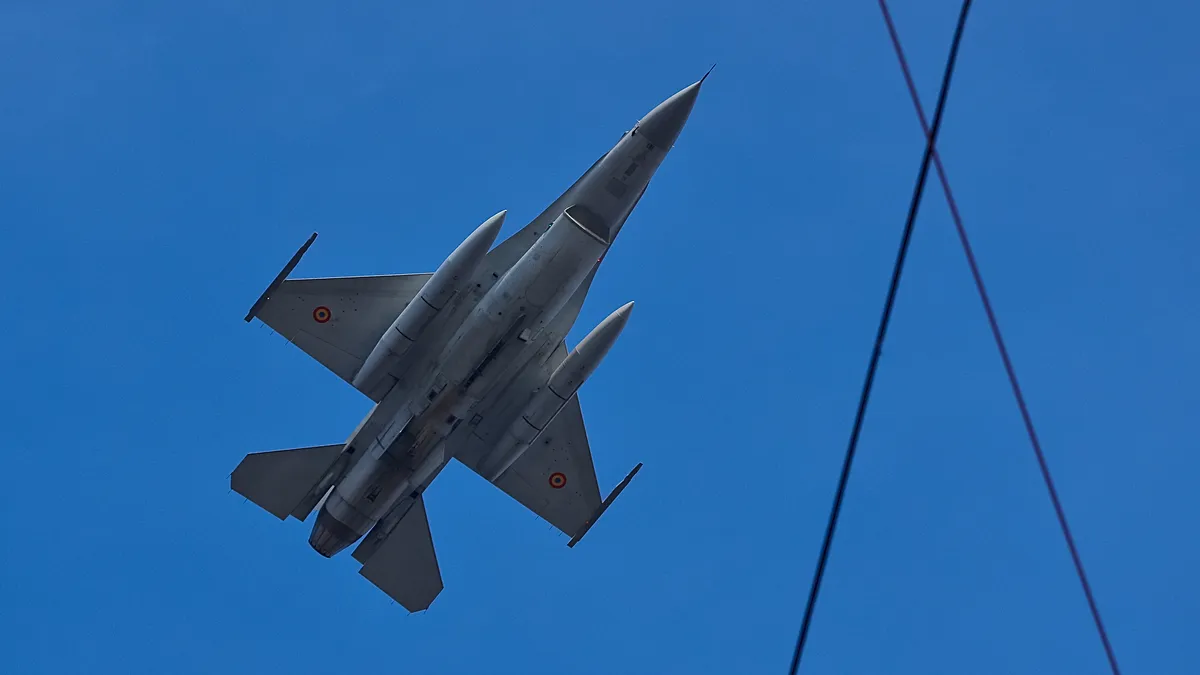
Response capabilities remain active but secondary in priority. rescEU contributes twelve additional firefighting planes and five helicopters to the fleet. Itkonen emphasizes the hierarchy clearly: “The goal is not to fight more fires. The goal is to have good prevention policies.”
Implementation presents the greater challenge. The European Court of Auditors cautions that wildfire governance stays divided among civil protection, forestry, agriculture, and climate departments, lacking comprehensive visibility into prevention spending. Mechanisms such as prescribed burning and targeted grazing frequently encounter obstacles related to permitting delays and liability frameworks. Prevention initiatives require consistent, ongoing investment to achieve lasting results.
Related Reading
Frequently Asked Questions
What is Why the EU is betting on prevention?
Why the EU is betting on prevention is the main topic of this guide. The article explains the context, practical details, and next steps readers should understand.
Why does Why the EU is betting on prevention matter?
Why the EU is betting on prevention matters because readers are looking for a useful answer, not just a short summary. Good content should match search intent and help them decide what to do next.