The last neutrals: Can four EU states adapt to Europe’s defence shift?
The European Union is undertaking a military expansion at a speed unseen for generations. While billions pour into strengthening continental armed forces and

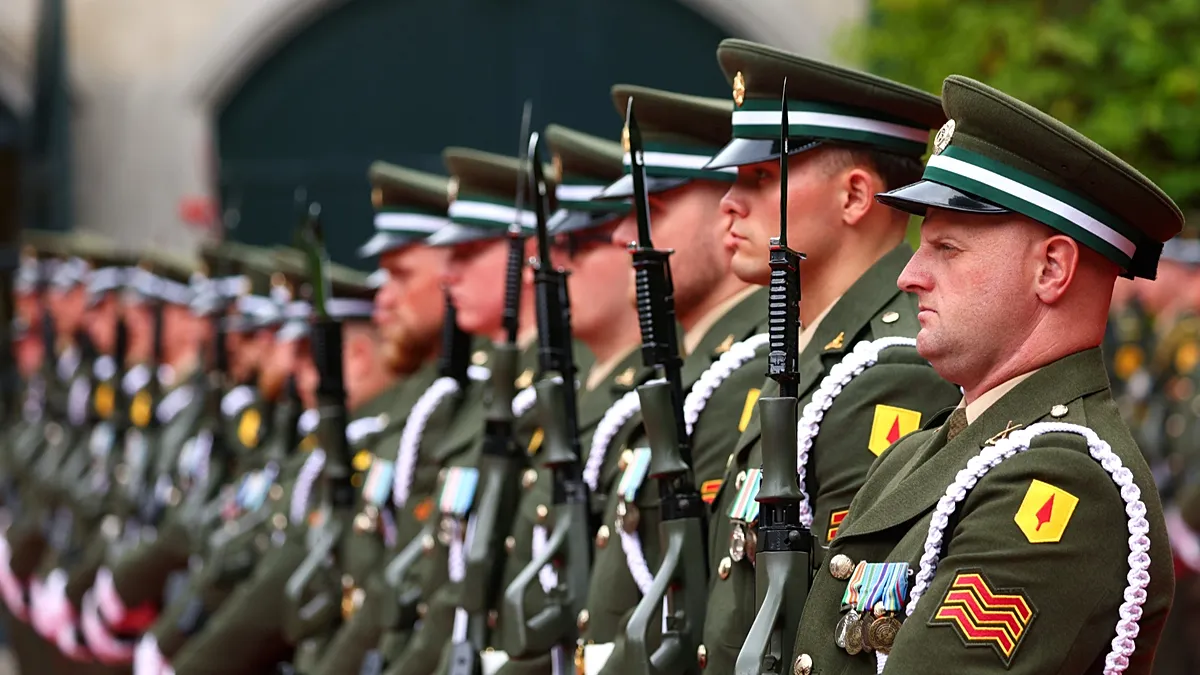
Table of Contents
Four European Nations Navigate the Crossroads of Neutrality and Defence
Poinews.com – The European Union is undertaking a military expansion at a speed unseen for generations. While billions pour into strengthening continental armed forces and the region faces its most dangerous period since the Cold War, four member states continue to uphold a foundational commitment: staying neutral. Austria, Ireland, Malta, and Cyprus have each preserved policies of military non-alignment, yet their legal frameworks and practical interpretations vary significantly. These principles are evolving—or actively adapting—to a world marked by instability, shaped by Moscow’s assault on Ukraine and political turbulence in Washington.
A Fluid Concept Under Pressure
For these nations, maintaining neutrality represents a delicate balancing act. They must reconcile a cherished historical principle with an EU that is rapidly transforming its global posture. Under international law, neutrality typically signifies that a country avoids involvement in armed conflicts between other nations. This status carries various duties regarding interactions with warring parties. However, the concept remains flexible, and the four states do not occupy identical legal positions.
Austria and Malta have embedded neutrality within their constitutional texts. Ireland’s military stance runs deep, while Cyprus has traditionally followed non-alignment—a position now facing mounting pressure from strengthening Western defence partnerships. In essence, neutrality proves both adaptable and subject to debate.
Austria’s Evolving Stance
Arnold Kammel, Secretary-General of Austria’s Federal Ministry of Defence, explained that Central Europe’s approach has transformed since the nation entered the EU three decades ago. “Neutrality has somewhat changed its meaning,” he noted during an interview with Euronews. “However, the core substance of remaining neutral is heavily enshrined in the DNA of the Austrians, and thus it seems also to continue in the future.”
Vienna codified neutrality in constitutional law in 1955, following the restoration of sovereignty after the Second World War. Decades later, EU membership compelled Austria to engage in the common foreign and security policy framework. When applying for accession in 1989, the European Commission declared that Austria’s “permanent neutrality” conflicted with existing treaty provisions and might create obstacles for the bloc’s developing security strategy. Nevertheless, the country joined six years afterward.
Recent Commission communications indicate a softened position. The institution now acknowledges that security and defence decisions remain national competencies, confirming that EU treaties do not bar Austria, Ireland, Cyprus, or Malta from preserving their neutral status.
Practical Implications of Neutrality
Being neutral does not stop these four countries from backing Ukraine. They contribute through EU financial mechanisms, including a €90 billion loan arrangement, and participate in sanctions targeting Russia. Cyprus and Ireland have become members of the Coalition of the Willing, whereas Austria maintains observer status.
Neutrality also fails to eliminate obligations under Article 42.7 of the EU Treaty, which establishes a mutual assistance clause. This provision demands that member states render aid and support “by all the means in their power,” while respecting the distinctive nature of each country’s security and defence policies. Importantly, it does not compel automatic military intervention from neutral states.
Kammel clarified that any Austrian response would necessitate domestic political consultation “within the limits that are given to us by our constitution.” Following France’s invocation of Article 42.7 after the 2015 terrorist attacks, Austria refrained from direct military aid, citing neutrality, yet contributed to UN and EU missions in other regions.
Furthermore, neutrality imposes no ceiling on defence expenditure. Vienna plans to increase spending to 2% of GDP by 2032. Kammel emphasized that Austria’s absence from NATO does not diminish its territorial defence responsibility, explaining why the country is investing “across all the military domains” to address emerging challenges.
Cyprus and the NATO Question
Cyprus has long pursued non-alignment, seeking distance from close attachments to external powers. However, recent declarations and actions by President Nikos Christodoulides hint at a potential departure from this tradition. In May, Christodoulides announced that the divided island nation stood prepared to join NATO “when political conditions allow.” Turkey’s resistance constitutes the main political hurdle, given NATO’s consensus-based decision-making process.
One month later, Cyprus commenced receiving allocations under the EU’s Security Action for Europe (SAFE) programme. The initiative offers up to €1.2 billion for defence investment. Cyprus represents the sole neutral or non-aligned EU member to access SAFE funding, which supports strategic capabilities development across the continent.
As Europe continues its defence transformation, these four nations demonstrate that neutrality need not mean isolation. Rather, it can coexist with active participation in collective security frameworks, adapting to new realities while honouring historical commitments.
Related Reading
Frequently Asked Questions
What is The last neutrals?
The last neutrals is the main topic of this guide. The article explains the context, practical details, and next steps readers should understand.
Why does The last neutrals matter?
The last neutrals matters because readers are looking for a useful answer, not just a short summary. Good content should match search intent and help them decide what to do next.