‘Wall of fire’ forces sea evacuation in Greece as wildfires continue across Europe
As wildfires rage across Europe, a dramatic wall of fire forces sea evacuation in Greece, highlighting the continent's ongoing battle with extreme weather

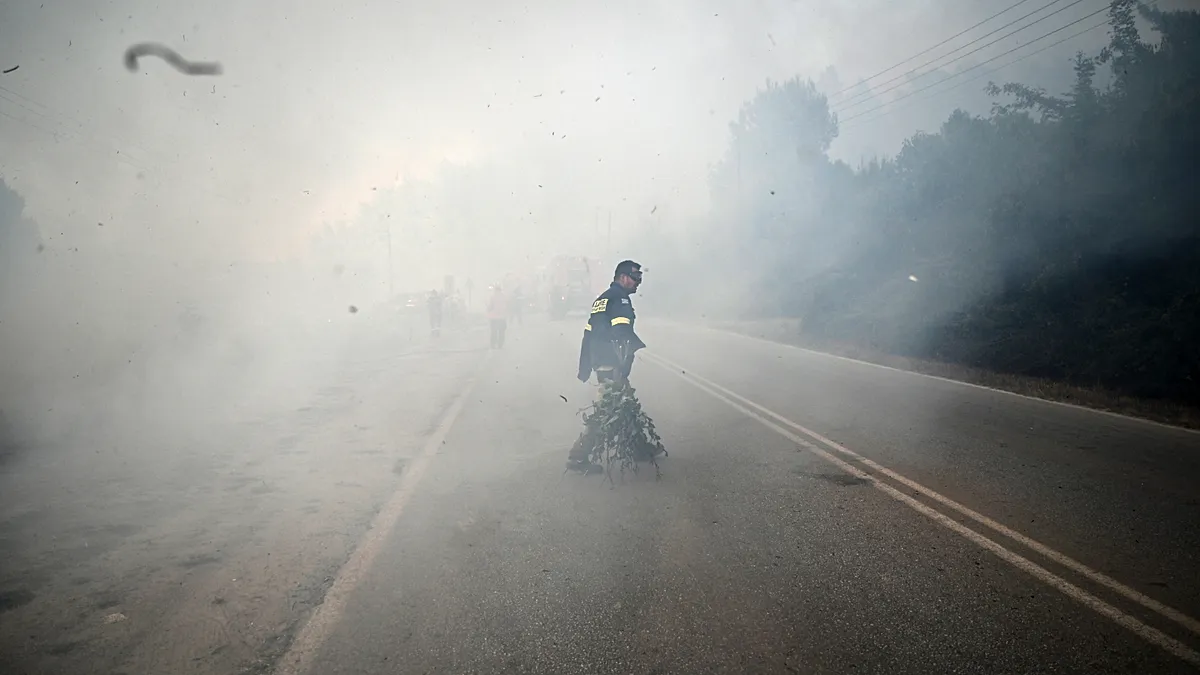
Table of Contents
Wall of Fire Forces Sea Evacuation in Greece
Poinews.com – As wildfires rage across Europe, a dramatic wall of fire forces sea evacuation in Greece, highlighting the continent’s ongoing battle with extreme weather. The blaze on the Halkidiki peninsula sent hundreds of tourists fleeing into the water when road routes became impassable. This dramatic scene joins similar emergencies in France and Croatia, where intense heat and dry conditions have fueled rapid fire spread. Officials warn that the situation remains volatile as temperatures continue to climb across multiple nations.
Greece’s Dramatic Coastal Rescue
On the Halkidiki peninsula south of Thessaloniki, a towering wall of fire stretching three kilometres and reaching heights of thirty metres forced hundreds of visitors into the water. Officials deemed road evacuation too hazardous, instead dispatching approximately five hundred tourists aboard small boats, coast guard vessels, and fire brigade craft. Roughly two hundred individuals were transported to a ship anchored offshore, while vehicles attempting to flee became trapped in gridlock. More than two hundred firefighters, supported by water-bombing aircraft and helicopters, engaged the blaze for hours as it threatened the tourist destinations of Siviri and Fourka.
“We are on the beach and looking for a way to get away,” explained Sophia, a local homeowner, to AFP as flames encroached upon residential areas. Two firefighters required hospitalization, and authorities prohibited public entry to the region’s pine forests as meteorologists predicted winds reaching one hundred kilometres per hour. The fire eventually came under control, though crews maintained heightened alertness for potential flare-ups.
Greece continues operating under its highest nationwide wildfire alert level, still recovering from a recent blaze near Athens that destroyed one hundred and ten square kilometres of forest and killed two helicopter crew members.
Wider European Impact
Meanwhile, France faces elevated danger levels with four departments placed under maximum wildfire alert. Meteorological authorities warned that current weather patterns create conditions “very high compared with summer norms” for both ignition and propagation of fires. Overnight operations successfully contained a blaze near Carcassonne in the Aude region, protecting seventy-three residences. Another fire near Mont-Frieux in Pas-de-Calais continued burning into Friday morning. Authorities across the country are urging sustained vigilance as the weekend approaches.
In Croatia, over one hundred and fifty firefighters confronted a fire that surged from pine woodland into the coastal tourist settlement of Lokva Rogoznica. The blaze destroyed homes and vehicles, displacing at least one thousand residents who found shelter in a nearby sports hall in Omis. A closed coastal road generated extensive traffic congestion. Fire chief Slavko Tucakovic cautioned of challenging conditions ahead, noting that four Canadair water-bombers remained grounded until dawn while reinforcements arrived. Officials attributed the fire’s rapid expansion to strong winds and confirmed that several residents sustained burns.
“We are on the beach and looking for a way to get away,” one local homeowner, Sophia, told AFP, saying flames had already reached the town’s houses.
Traveler Safety During Wildfire Season
For visitors navigating these challenging conditions, understanding local alert systems is essential. Greece’s national emergency number 112 provides real-time updates on evacuation routes and shelter locations. Travelers should monitor official weather forecasts and heed road closure announcements, particularly in coastal regions where traffic congestion can delay emergency response. Many hotels and resorts have established contingency plans, including alternative transportation options and designated meeting points for guests.
Looking Ahead
As the heatwave persists, emergency services across Europe remain on high alert. The combination of record temperatures, low humidity, and strong winds has created a perfect storm for wildfire activity. Authorities are calling for public cooperation, including reduced outdoor activities during peak hours and careful disposal of any potential ignition sources. With meteorologists predicting continued warm conditions, the wall of fire forces sea evacuation scenario may become more common as summer progresses.
Frequently Asked Questions
What should tourists do if a sea evacuation is ordered?
Follow official instructions immediately and proceed to designated boarding points. Keep valuables minimal and wear sturdy footwear. Listen for announcements regarding vessel departure times and locations. If you have mobility issues, inform staff early so assistance can be arranged.
How can I check current wildfire alerts in Greece?
Visit the Hellenic Fire Service website or download the official emergency app. Local radio stations and hotel reception areas also provide regular updates. The national emergency number 112 offers multilingual assistance for international visitors.
When is the peak wildfire season in the Mediterranean?
July through September typically sees the highest risk, though climate change has extended the season in recent years. Early morning and late evening hours often bring cooler temperatures and reduced fire danger.