Trump tempers fury with allies and ends ‘tremendously successful’ NATO summit on high note
Trump Temers Fury with Allies at NATO Summit, Bolsters Alliance Unity Trump tempers fury with allies and ends - At the NATO summit held in Ankara, Turkey, on

Trump Temers Fury with Allies at NATO Summit, Bolsters Alliance Unity
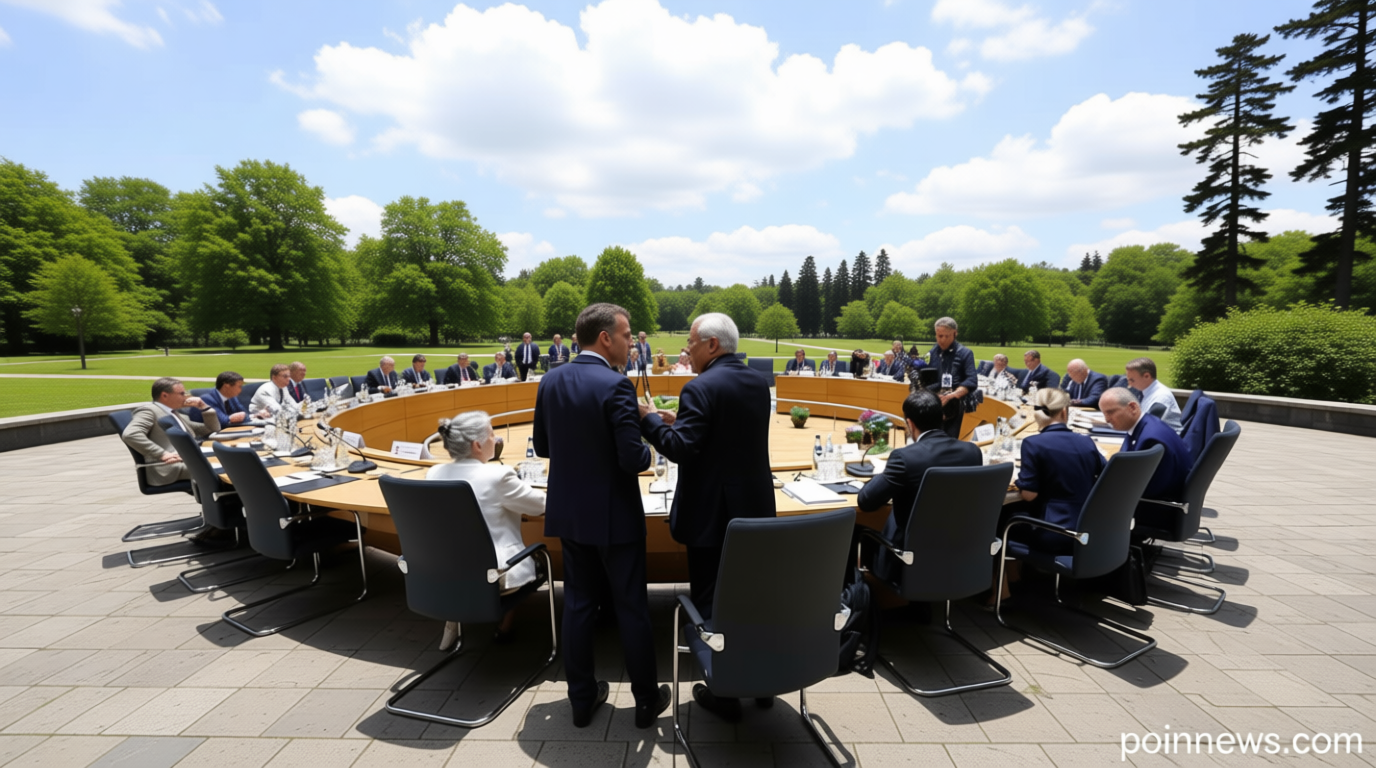
Poinews.com – At the NATO summit held in Ankara, Turkey, on July 8, 2026, U.S. President Donald Trump demonstrated a notable shift in tone, tempering his earlier frustrations with allies and embracing a more collaborative approach. This change marked a positive turn for the alliance, which Trump had previously criticized for its defense spending and perceived lack of support for U.S. foreign policy priorities. The summit concluded with a reaffirmation of NATO’s core principles, and Trump’s public remarks highlighted the progress made in uniting the alliance under a shared vision. “Trump tempers fury with allies,” a phrase that encapsulated the day’s diplomatic triumph, echoed across headlines as leaders celebrated the outcomes of their discussions.
Trump’s initial remarks had stirred controversy, as he criticized NATO members for their diplomatic ties with Iran and their reluctance to bolster support for the U.S.-led military alliance. During a tense session, he singled out Spain and Greenland as points of contention, claiming that these nations had failed to align with American interests. However, in a private meeting with key allies, Trump’s demeanor softened, and he pledged to continue America’s leadership in NATO. “We’re not going anywhere,” he reportedly told leaders, a sentiment that underscored his commitment to the alliance despite public disagreements.
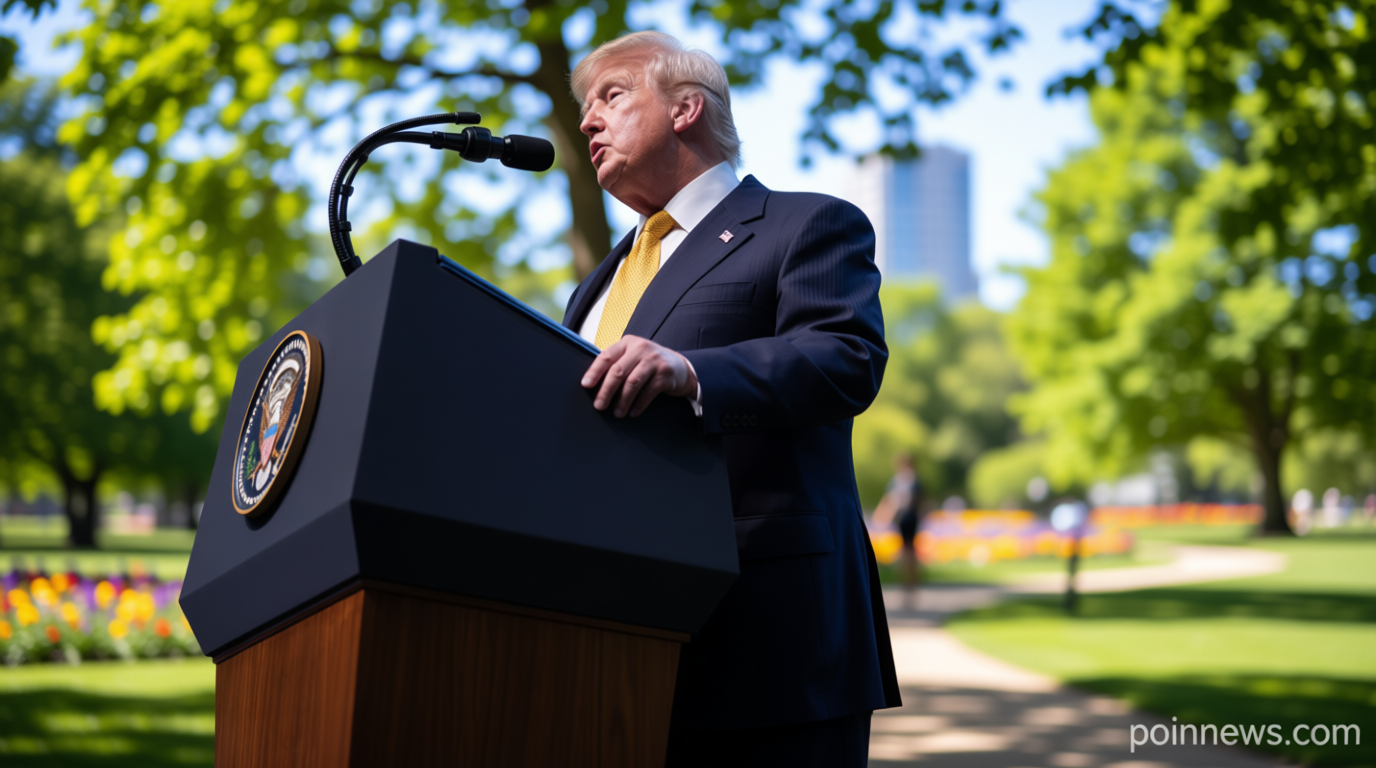
“The unity we saw at the summit is what makes NATO strong,” Trump stated during a press conference, emphasizing the importance of solidarity among member nations.
The summit’s final declaration reflected this newfound harmony, with European leaders vowing to strengthen Article 5 commitments and increase defense spending. Trump’s concessions, particularly his willingness to engage with allies in closed-door talks, were seen as a strategic move to reinvigorate transatlantic partnerships. “Trump tempers fury with allies by prioritizing collaboration over confrontation,” noted analysts, highlighting how the summit became a turning point in U.S.-Europe relations. Spanish Prime Minister Pedro Sánchez and German Chancellor Frederich Merz praised the outcome, citing improved communication and shared goals.
Strengthening NATO’s Defense Commitments
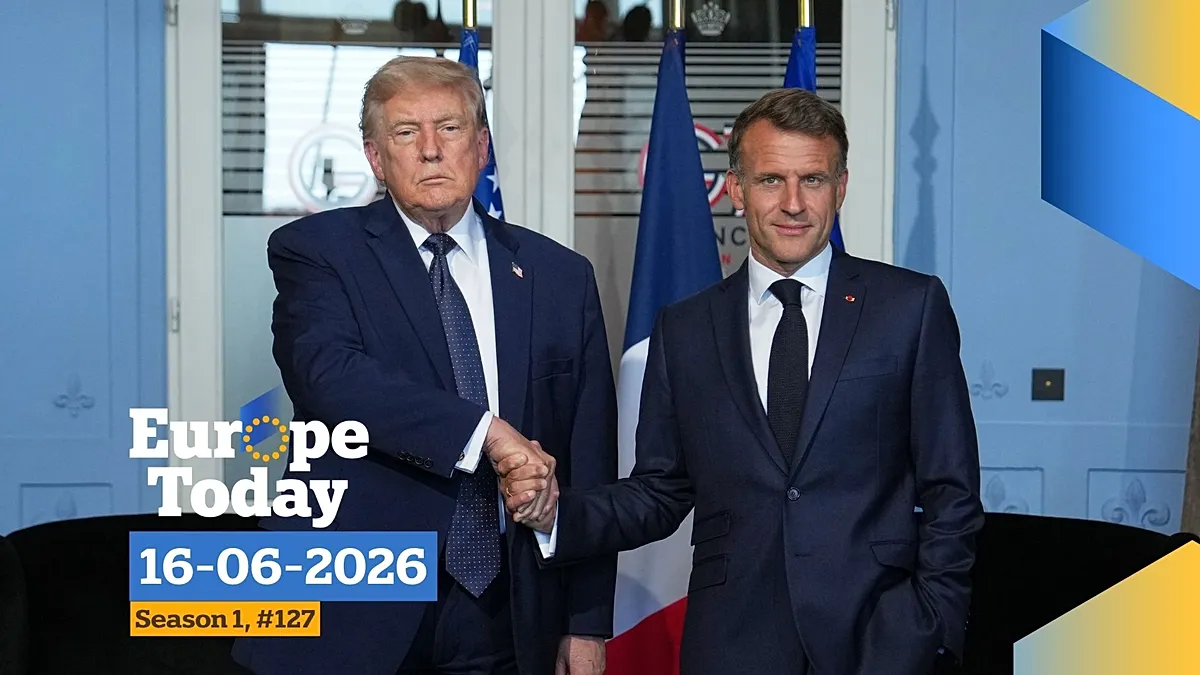
During the summit, NATO leaders agreed to bolster collective defense efforts, with Trump advocating for a more European-centric approach to security. European nations, in turn, pledged to accelerate their military spending targets, aiming to reach 2% of GDP by 2027. This agreement was seen as a direct response to Trump’s earlier criticisms, which had pressured allies to commit more resources to the alliance. “The decision to increase defense spending shows our solidarity with Trump’s vision for NATO,” said French President Emmanuel Macron, emphasizing the strategic alignment between the U.S. and its European partners.
Trump also addressed the ongoing conflict in Ukraine, committing to provide Kyiv with advanced air-defense systems. “We’re giving Ukraine the tools they need to defend themselves,” he declared, signaling his support for the country’s efforts against Russian aggression. This move, alongside the $70 billion in annual military aid confirmed by the summit, reinforced NATO’s role as a stabilizing force in Eastern Europe. European allies, while cautious in their public statements, welcomed Trump’s backing, as it provided additional leverage in negotiations with Russia.
Before departing Ankara, Trump engaged with Syrian President Ahmed al-Sharaa, aiming to position the U.S. as a key player in Syria’s post-war recovery. While the summit focused on NATO’s future, Trump’s broader geopolitical strategy was evident, as he sought to balance relationships with both allies and adversaries. The summit’s success was attributed to Trump’s ability to shift from public criticism to diplomatic engagement, a tactic that European leaders had long urged to maintain cohesion within the alliance.
Implications for Transatlantic Relations
The 2026 NATO summit in Ankara marked a significant step toward healing divisions between the U.S. and its European allies. Trump’s public display of camaraderie, particularly during the final press conference, was praised by media outlets as a masterful political maneuver. “Trump tempers fury with allies by demonstrating flexibility in his approach,” commented a NATO observer, noting that the summit’s outcome would likely influence future cooperation. This shift was especially notable in the context of ongoing debates over trade policies and military strategy, which had previously strained relations.
European leaders, including Germany and Spain, expressed satisfaction with Trump’s renewed commitment to NATO. “The summit showed that even in times of disagreement, our alliance remains resilient,” said Estonian Prime Minister Kristen Michal, highlighting the importance of trust-building measures. Trump’s focus on uniting NATO members also resonated with the alliance’s secretary-general, Mark Rutte, who stated that the event “reaffirmed the strength of our collective defense framework.” These statements suggest that the summit not only addressed immediate concerns but also set a foundation for long-term collaboration.
As the summit drew to a close, Trump’s ability to temper his frustration with allies emerged as a key takeaway. While his public criticisms had often dominated headlines, the closed-door discussions revealed a more nuanced strategy aimed at securing NATO’s unity. “Trump tempers fury with allies by focusing on shared interests rather than individual grievances,” observed political analysts, who noted that this balance could pave the way for more stable transatlantic relations. The success of the summit underscored the importance of diplomacy in maintaining a powerful alliance, even amid political tensions.