
Portuguese man o’ wars spread in Spain: what to do if you get stung
Often confused with jellyfish, the Portuguese man o' war (Physalia physalis) is actually a colonial marine creature. Its elongated tentacles house specialized

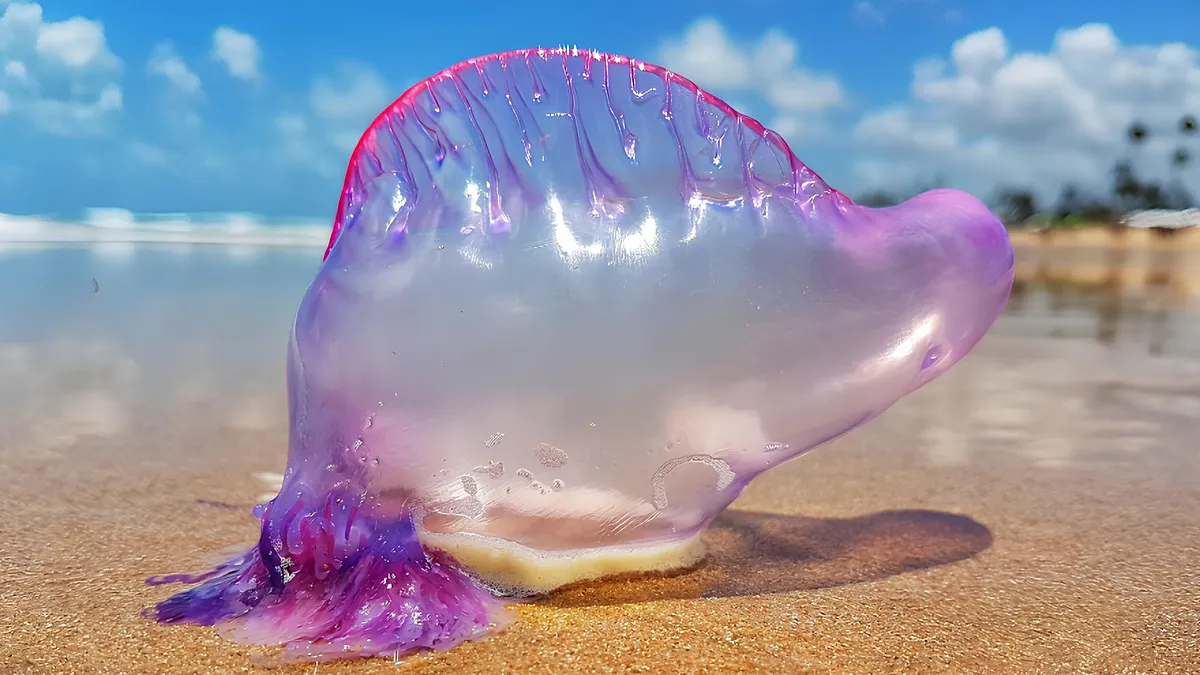
Table of Contents
Portuguese Man o’ War Surge in Spain: A Guide to Stings
Understanding the Organism
Poinews.com – Often confused with jellyfish, the Portuguese man o’ war (Physalia physalis) is actually a colonial marine creature. Its elongated tentacles house specialized stinging cells that can trigger severe pain and, occasionally, more serious health reactions. Officials warn the public to steer clear of contact at all times, even if the creature looks lifeless or has been deposited on the shoreline.
Recent Activity Along the Coast
This summer has seen a notable rise in sightings across northern Spain, particularly within Cantabria and the Basque Country. The frequency of encounters prompted local authorities to limit swimming activities and shut down multiple beaches temporarily. In one instance alone, health workers treated over a hundred victims in a single day.
Despite the high numbers, San Sebastián’s municipal council noted that the majority of cases involved only minor injuries. When measured against the total number of visitors, the incident rate remained relatively low.
What to Do If Stung
For those caught in the water when a sting occurs, the Basque Government’s Department of Health advises immediate action:
Leave the water right away and head to the lifeguard station. If symptoms are severe, seek professional medical attention without delay.
By following these guidelines, beachgoers can minimize discomfort and ensure proper treatment when encountering these venomous marine organisms.
Related Reading
Frequently Asked Questions
What is Portuguese man o wars spread in Spain?
Portuguese man o wars spread in Spain is the main topic of this guide. The article explains the context, practical details, and next steps readers should understand.
Why does Portuguese man o wars spread in Spain matter?
Portuguese man o wars spread in Spain matters because readers are looking for a useful answer, not just a short summary. Good content should match search intent and help them decide what to do next.