How Europe’s drought exposes ‘weakness of fossil fuels’ as Poland forced to shut down coal plants
How Europe's drought exposes a critical vulnerability in the continent's energy infrastructure, as Poland has been forced to shut down coal plants due to

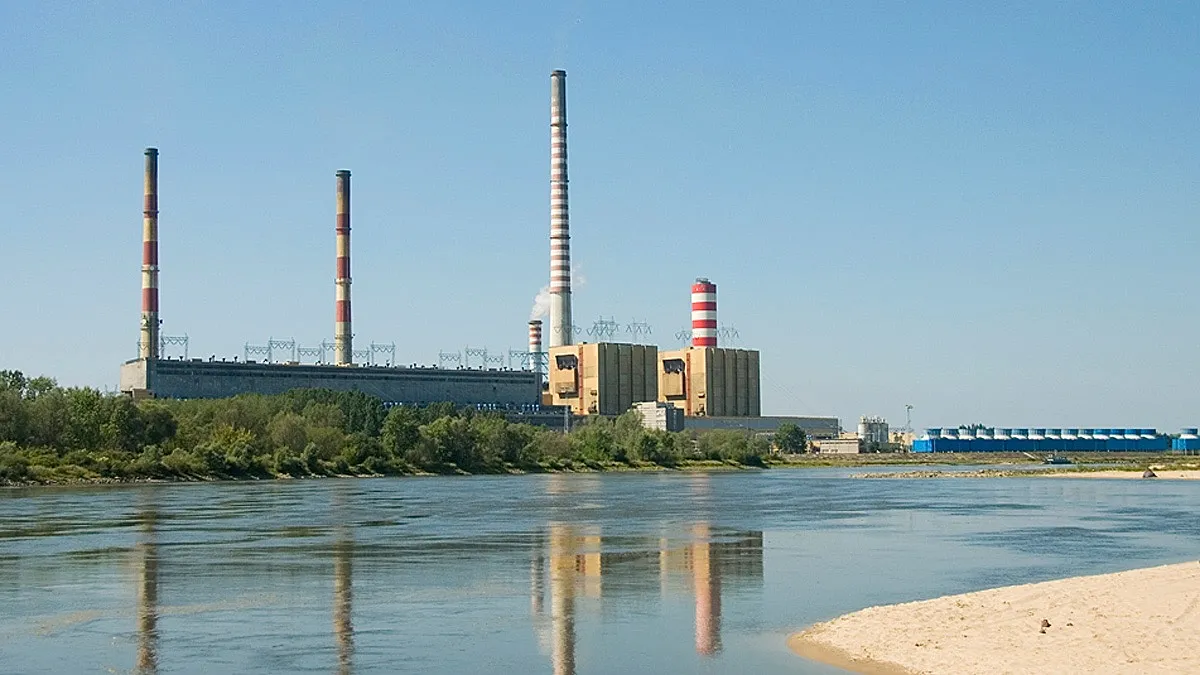
Table of Contents
How Europe’s Drought Exposes Fossil Fuel Weakness
Poinews.com – How Europe’s drought exposes a critical vulnerability in the continent’s energy infrastructure, as Poland has been forced to shut down coal plants due to critically low river levels. Earlier this week (4 August), utility giant Enea was compelled to reduce generation at the Kozienice and Połaniec coal-fired power plants after the Vistula River’s water levels dropped to dangerous lows. This emergency measure removed 1.3 GW from Poland’s power system—sufficient to supply more than one million average households with electricity.
This shutdown represents approximately two per cent of Poland’s total energy capacity. River flow measurements near the Kozienice Power Plant on 5 August recorded just 135 cubic metres per second, highlighting the severity of drought conditions. The plant’s cooling infrastructure requires approximately 80–100 m³/s of water from the river, consuming more than half of the remaining flow during this crisis.
Paradox of Climate Change: Plants Become Victims
Despite mounting evidence that the plant is devastating millions of fish larvae, including six protected species, Enea is proceeding with plans to construct a near 1.3GW gas-fired power plant at the Kozienice site. Experts caution that this expansion will intensify pressure on the Vistula River ecosystem through sustained high cooling water demand.
“This is the paradox of the climate crisis: power plants driving climate change are increasingly becoming its victims,” says Paweł Pomian, Vice-President of Polish environmental organisation EKO-UNIA.
Pomian emphasizes that as the Vistula River dries up, an energy system built around large thermal power plants loses its resilience. Kozienice isn’t unique—there are many plants with similar cooling systems across Poland, and more will emerge if the government continues to expand fossil gas infrastructure. He argues that Europe’s latest drought should serve as a “wake-up call” for Poland and the rest of the continent to transition toward technologies like solar and wind power that require minimal water for electricity generation.
Poland’s Renewable Energy Challenge
Despite witnessing some of the most rapid growth in solar power across Europe—adding more than 20 GW of solar capacity between 2020 and 2025—Poland’s combined share of wind and solar remains five per cent lower than the EU average. According to energy think tank Ember, Poland relies on coal for more than half (51 per cent) of its electricity, while wind and solar only constitute 25 per cent of the energy mix. Poland aims for 51 per cent of renewable electricity generation and 64 GW of renewable capacity by 2030, but its coal dependency continues to pose challenges.
“Coal plants are paying the price for the problems they created,” says Kasia Szeniawska, a campaigner at Beyond Fossil Fuels. “As heatwaves and droughts become more severe, it has exposed the weakness of fossil fuel-based energy systems. While most EU countries cut down their coal use, Poland is not only failing a timely phase-out, it’s also proposing new gas plants that will only aggravate environmental issues.”
Europe’s hot and dry summer, which climate scientists describe as “virtually impossible” without the burning of fossil fuels, has also significantly impacted the renewable energy sector. According to energy intelligence firm Montel, inflows to reservoirs and run-of-river hydropower plants in Austria and Switzerland were nearly 50 per cent below average in July. Total hydro production for Austria in July reached only 51 per cent of normal levels compared to the last 15 years, Montel reports. Similarly, Switzerland experienced 48 per cent of normal production, while Germany (63 per cent) and France (68 per cent) also suffered reductions.
While significant drops in hydro output can push countries back onto polluting sources like coal, solar and wind can often compensate for the decline in electricity generation. For example, Ember notes that weather conditions caused a 12 per cent drop in annual hydropower production last year, contributing to gas generation in the EU rising by eight per cent compared to 2024. However, the same weather conditions—which also caused wind power to fall by two per cent—boosted solar generation.
This meant that in 2025, solar generated more EU power than ever before, growing by more than 20 per cent. It highlights the importance of diversifying the renewable energy mix in an era of climate-fuelled extreme weather.
Frequently Asked Questions
How much power was lost when Poland shut down coal plants? The shutdown removed 1.3 GW from Poland’s power system, representing approximately two per cent of the country’s total energy capacity and enough to power more than one million households.
What caused the coal plant shutdown in Poland? Critically low water levels in the Vistula River limited cooling water supplies for the Kozienice and Połaniec coal-fired power plants, forcing Enea to reduce generation on 4 August 2026.
How is Europe’s drought affecting renewable energy? While hydropower production dropped significantly—Austria at 51 per cent and Switzerland at 48 per cent of normal levels—solar generation actually increased by more than 20 per cent in 2025, demonstrating the value of a diversified renewable energy mix.
What is Poland’s renewable energy target for 2030? Poland aims to achieve 51 per cent renewable electricity generation and 64 GW of renewable capacity by 2030, though its current coal dependency at 51 per cent makes this goal challenging to reach.