The Great Bubble Barrier: How air bubbles are stopping river plastic before it reaches the sea
he Great Bubble Barrier: A New Frontier in Combating River Plastic The Great Bubble Barrier - Plastic pollution is a growing global crisis, with over 10

The Great Bubble Barrier: A New Frontier in Combating River Plastic
Poinews.com – Plastic pollution is a growing global crisis, with over 10 million tons of waste entering oceans each year. A significant portion of this comes from river systems, which act as conduits for land-based trash. The Great Bubble Barrier, a groundbreaking solution, is designed to intercept plastic waste at the source before it reaches the sea. This innovative method, developed by a team of engineers and environmentalists, leverages air bubbles to create a natural barrier, offering a scalable and sustainable approach to reducing river plastic. As the project expands to new regions, its potential to transform waste management practices becomes increasingly evident.
How the Bubble Barrier Works
At the heart of The Great Bubble Barrier is a unique system that uses a submerged pipeline to generate a continuous flow of air bubbles. These bubbles rise through the water, creating a buoyant current that traps plastic debris. Unlike traditional barriers that rely on physical walls, the bubble barrier utilizes a gentle, non-intrusive method to guide waste toward collection points. The technology is particularly effective in rivers, where plastic often floats or becomes suspended in the water. By positioning the pipeline across the riverbed, the system can capture up to 86% of surface plastic, according to independent studies. This efficiency makes it a promising alternative to conventional cleanup methods.
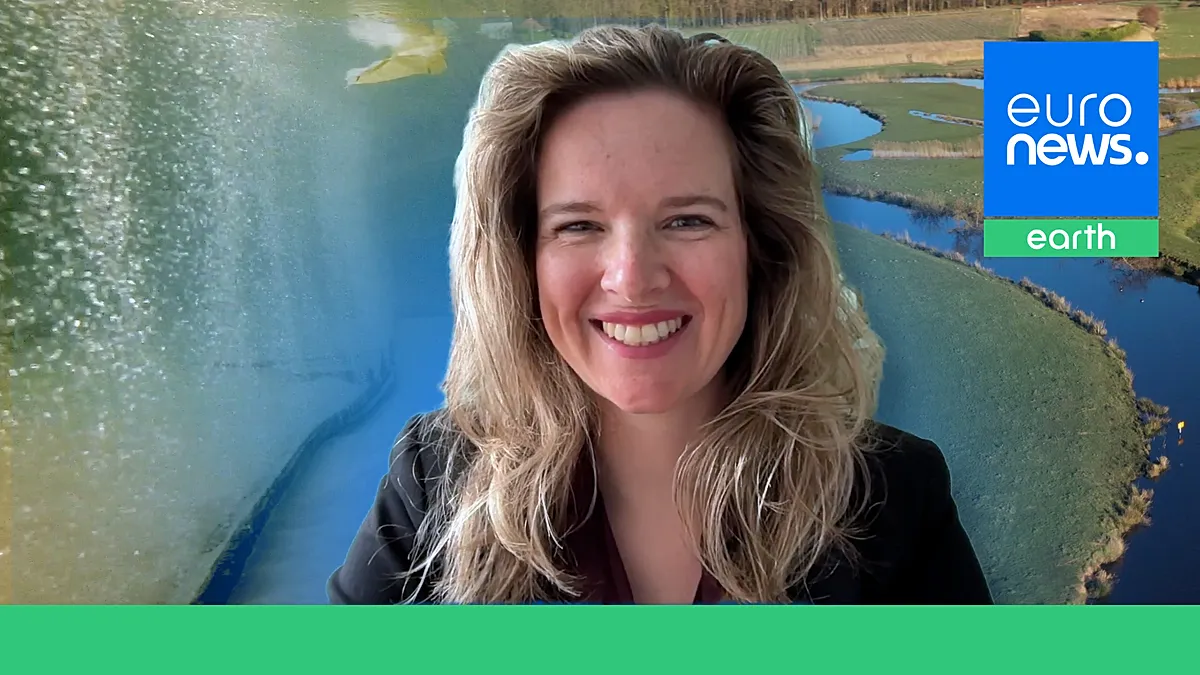
“The bubble barrier doesn’t disrupt fish or ship traffic, yet it can cover the full width and depth of a river,” explains Anne Marieke Eveleens, chief business development officer at The Great Bubble Barrier. “This allows us to address pollution without causing additional harm to aquatic ecosystems.”
The design of the barrier is engineered to minimize environmental impact. The submerged pipeline, connected to an air compressor, operates with minimal energy consumption, making it cost-effective for long-term use. The system is also adaptable, with adjustable settings to accommodate varying river conditions. This flexibility ensures that it can be deployed in both small streams and major waterways. Pilot projects in the Netherlands, such as those in Amsterdam and Katwijk, have demonstrated its effectiveness in reducing plastic flow into coastal areas. These successful trials have paved the way for broader implementation, including plans for expansion into Southeast Asia, where river plastic pollution is particularly severe.
Collaboration and Scalability
Implementing The Great Bubble Barrier requires more than just engineering—it demands collaboration among governments, local waste management systems, and communities. The project has engaged with municipal authorities to secure permits and integrate the system into existing infrastructure. Local stakeholders are also involved in identifying the most critical pollution hotspots, ensuring that the barriers are placed where they can make the greatest impact. This partnership model has been key to the project’s success, as it combines technological innovation with community-driven solutions. The Great Bubble Barrier’s approach is not only about cleaning rivers but also about fostering long-term sustainability in waste management practices.
As the project scales, The Great Bubble Barrier aims to become a global standard for river pollution control. With plans to expand to the United States and other regions, the technology is positioned to address plastic waste in diverse environments. The company is also working on refining the system to improve its performance and reduce costs. By focusing on key areas with high pollution levels, The Great Bubble Barrier seeks to create a network of barriers that can significantly reduce the amount of plastic reaching the ocean. This initiative has already gained international recognition, including as a finalist for the Earthshot Prize, which highlights innovative solutions for environmental challenges.
Looking ahead, The Great Bubble Barrier envisions a future where these systems are seamlessly integrated into urban and rural landscapes. The technology’s ability to generate data on plastic flow patterns could also inform future policies and conservation efforts. By providing actionable insights, the barriers can help policymakers and communities develop targeted strategies to prevent pollution at the source. This dual purpose—cleaning waterways and supporting environmental research—positions The Great Bubble Barrier as a multifaceted solution to a complex problem. As awareness of the issue grows, the project is poised to play a pivotal role in the fight against plastic waste.