Copenhagen, Normandy, Exmoor: European destinations where tourists are rewarded for good behaviour
While numerous European destinations have recently implemented fines, taxes, and travel restrictions to address overtourism, Copenhagen has chosen an entirely

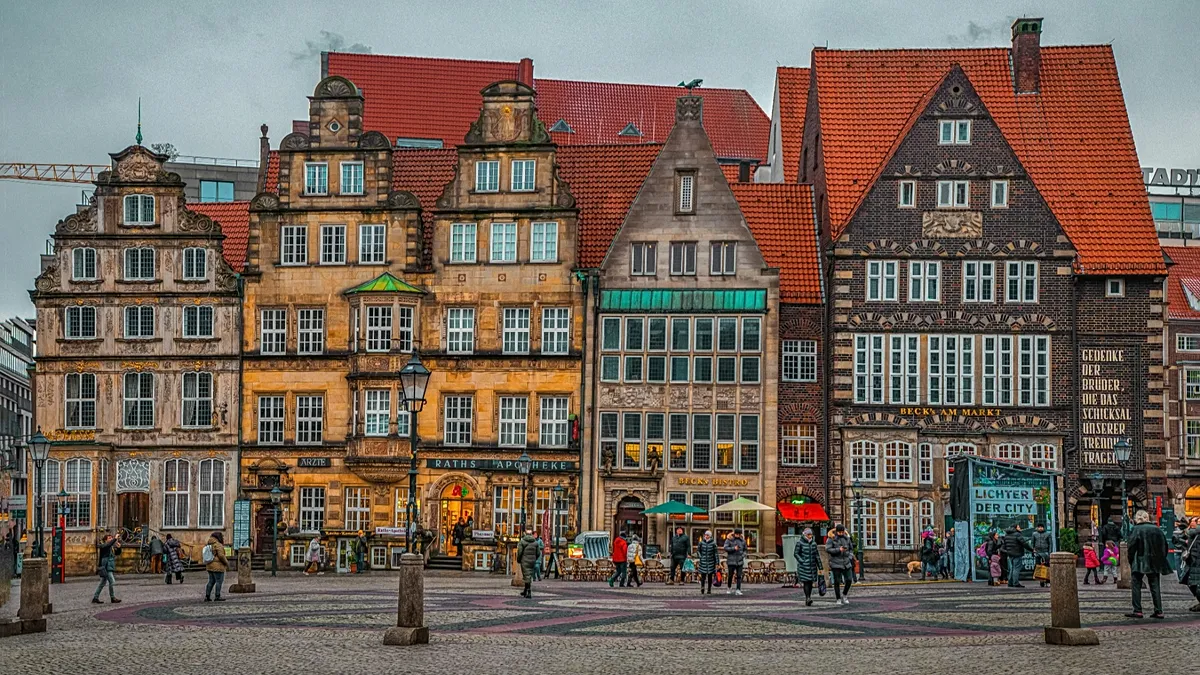
Table of Contents
European Cities Turn to Rewards Instead of Penalties for Sustainable Tourism
Poinews.com – While numerous European destinations have recently implemented fines, taxes, and travel restrictions to address overtourism, Copenhagen has chosen an entirely different path. Beginning in the summer of 2024, the Danish capital introduced the CopenPay program, which encourages visitors to participate in eco-friendly activities through tangible incentives. Rather than punishing travelers, the initiative demonstrates that climate-conscious choices can be straightforward and rewarding.
Participants who engage in activities such as gathering trash, assisting in community gardens, or utilizing public transportation can earn complimentary bike rentals, boat excursions, and meals. The response has been overwhelmingly positive. Søren Tegen Petersen, CEO of Wonderful Copenhagen, noted the widespread enthusiasm: “Since launching CopenPay last summer, we’ve been met by an enormous interest from cities and tourist boards from Europe, Asia and North America, all wanting to know more about CopenPay and our learnings.” He added that the organization has already exchanged information with over one hundred interested parties.
Expanding Beyond Copenhagen
Following Copenhagen’s lead, several other European locations are exploring similar models. Helsinki has signaled its intention to develop a rewards program with emphasis on regenerative tourism and Baltic Sea restoration efforts, working alongside other Nordic and Baltic regions. The proposed scheme would promote cycling and public transit use, offering benefits such as complimentary meals and reduced tour prices.
The United Kingdom recently joined this movement with Exmoor National Park’s “Pay with Care” program. During the summer months, visitors who collect litter, document wildlife observations, arrive via bicycle or public transit, or share uplifting social media content about their visit can receive a twenty percent discount at three visitor centers. Dan James, enterprise and communications manager at Exmoor National Park, explained their philosophy to the BBC: “We’re all about welcoming people to Exmoor, tourism is really important to us here, but we need to manage it carefully.” He continued, “We need to find a way of balancing people’s impacts, and what we are trying to do is encourage them to leave a positive impact.” Should the trial prove successful during this busy season, organizers hope to broaden the program next year.
Ski Resorts and Cultural Sites Join the Movement
Alpine ski destinations have also embraced incentive-based approaches. Italy’s Via Lattea offers travelers arriving by train to Oulx between twenty and twenty-five percent off their ski passes. Meanwhile, French ski regions including Les Gets-Morzine and Portes du Soleil provide rail passengers with a ten percent reduction on three-day passes and longer, along with various savings on equipment rentals, lessons, lodging, and additional activities.
Switzerland presents another compelling example. Holders of the Swiss Travel Pass who explore the nation using public transportation enjoy complimentary admission to more than five hundred museums and can save up to half on most mountain railway tickets.
Historic Sites and Urban Centers Follow Suit
In spring 2024, Normandy introduced a low-carbon pricing model granting visitors arriving by bus, train, or bicycle at least ten percent off entry to ninety cultural attractions and sites. This discount extends to castles, museums, monuments, parks, bike rentals, canoeing experiences, and escape rooms.
Urban centers are also participating. London’s Plastic Free July campaign rewards both locals and tourists with complimentary beverages for joining cleanup efforts. Bremen conducted a trial of BremenPay in May 2026, offering incentives for sustainable transportation choices such as train travel, cycling, and extended stays. Travelers presenting evidence like photographs or tickets could earn free city tours, coffee, and reduced attraction fees.
Berlin similarly experimented with BerlinPay between May and June of this year, centering its program around the city’s waterways. Participants engaging in litter collection and cycling received complimentary activities and discounts. As more destinations recognize the value of positive reinforcement over punitive measures, the rewards-based tourism model appears poised for continued growth across Europe.
Related Reading
Frequently Asked Questions
What is Copenhagen Normandy Exmoor?
Copenhagen Normandy Exmoor is the main topic of this guide. The article explains the context, practical details, and next steps readers should understand.
Why does Copenhagen Normandy Exmoor matter?
Copenhagen Normandy Exmoor matters because readers are looking for a useful answer, not just a short summary. Good content should match search intent and help them decide what to do next.