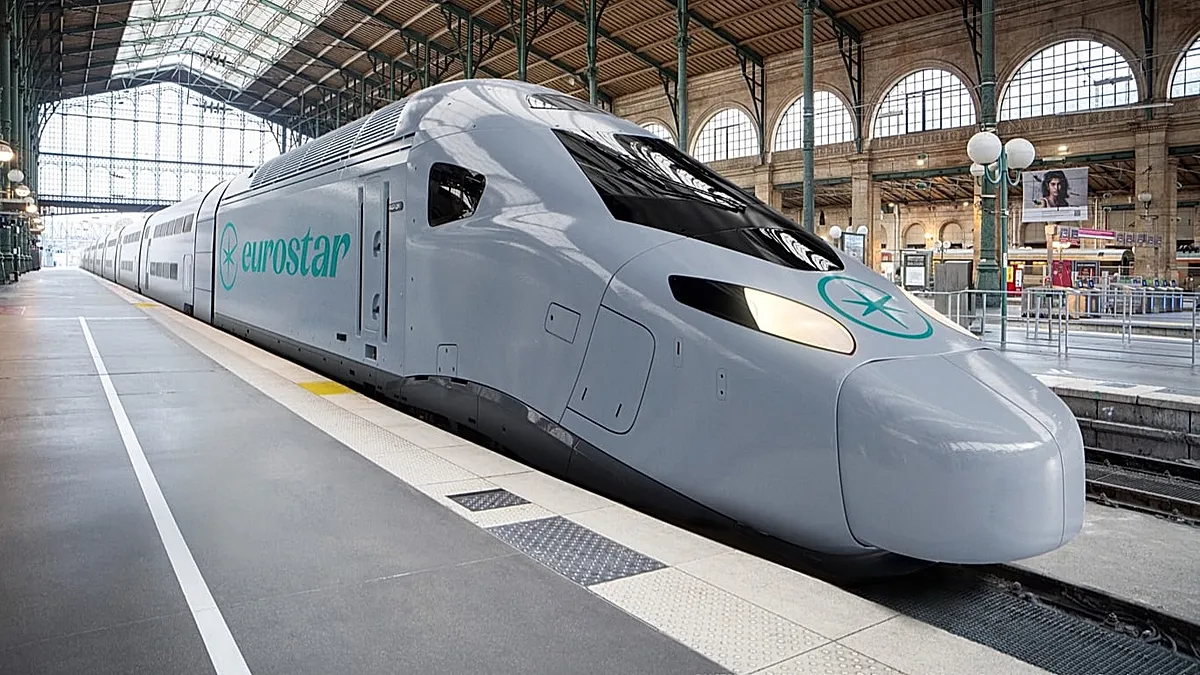
Belgium, France and Switzerland to trial new Brussels-Strasbourg-Basel rail link
o Trial New Rail Link Belgium France and Switzerland to trial - Belgium, France, and Switzerland are set to trial a groundbreaking high-speed rail connection


Belgium, France, and Switzerland to Trial New Rail Link
Poinews.com – Belgium, France, and Switzerland are set to trial a groundbreaking high-speed rail connection that links Brussels, Strasbourg, and Basel. This initiative, scheduled to begin in July 2027, aims to redefine cross-border travel by offering a more efficient and sustainable alternative to air travel for short-haul routes. The collaboration between SNCB, SNCF Voyageurs, and SBB will test the feasibility of extending the TGV INOUI service to create a seamless network across three nations. By connecting these major urban centers, the project is expected to boost regional mobility, reduce carbon emissions, and enhance economic integration within the European transport system.
Collaborative Effort for Seamless Connectivity
The partnership between Belgium, France, and Switzerland represents a significant milestone in cross-border infrastructure development. SNCB, SNCF Voyageurs, and SBB are working together to integrate their rail networks, ensuring a smooth and uninterrupted journey for passengers. This trial is part of a broader strategy to improve rail connectivity across the European Union, with the goal of making regional travel as convenient as domestic travel. The route will operate on Fridays, Saturdays, and Sundays, allowing for weekend trips that accommodate both leisure and business travelers. By aligning schedules and ticketing systems, the three countries aim to set a new standard for transnational mobility.
Key to the success of this initiative is the synchronization of services between the three nations. The trial will include a single return journey each weekend, with departure times from Brussels-Midi at approximately 7:00 am and arrival in Basel by 12:30 pm. The return trip will start from Basel SBB at 2:00 pm, arriving back in Brussels shortly before 7:00 pm. This timing ensures that travelers have ample time for activities in both destination cities, while also minimizing delays caused by transfers. The route will pass through major hubs like Lille-Europe, Charles de Gaulle Airport TGV, and Strasbourg-Ville, streamlining the journey for those seeking direct access between Belgium and Switzerland.
Environmental and Economic Impacts
The proposed Brussels-Strasbourg-Basel rail link is not only a logistical achievement but also an environmental one. By promoting rail as a primary mode of transport, the initiative aligns with Europe’s commitment to reducing greenhouse gas emissions. High-speed rail is known to be significantly more energy-efficient than air travel, making this route a potential game-changer for eco-conscious commuters. Additionally, the enhanced connectivity is expected to stimulate economic growth by improving access to markets, fostering tourism, and supporting business travel between the region’s key urban centers.
Swiss passengers will benefit from a direct connection to Eurostar routes in London, offering an alternative to flights for those traveling between Basel and the UK. Similarly, travelers from the Netherlands can now access Brussels via Switzerland’s rail network, expanding the reach of the project. While the current timetable does not support same-day travel from London to Basel through Lille, the trial is a step toward addressing such gaps in the future. The involvement of multiple operators underscores the importance of coordinated efforts in achieving a unified and efficient transport system across borders.
Public response to the trial is anticipated to be positive, as the rail link promises faster travel times and reduced environmental impact. With an estimated journey duration of around five hours, the service will compete directly with air travel, which typically takes similar time but produces higher carbon emissions. The trial also provides an opportunity for passengers to experience the benefits of a unified rail network, potentially influencing future policy decisions. By showcasing the viability of cross-border rail travel, the project could inspire similar initiatives in other parts of Europe, further cementing the role of high-speed rail in sustainable transportation.
“This trial is a testament to the power of collaboration in overcoming geographic and logistical barriers,” said a spokesperson for the European Rail Network. “By connecting Brussels, Strasbourg, and Basel, we’re not just improving travel options—we’re creating a model for sustainable connectivity that can be replicated across the continent.”