Why Eurostar’s new ‘Celestia’ trains are being upgraded to survive Europe’s hotter future
Eurostar's Celestia Trains Upgrade for Europe's Heat Why Eurostar s new Celestia trains - As Europe confronts the growing reality of extreme summer heat

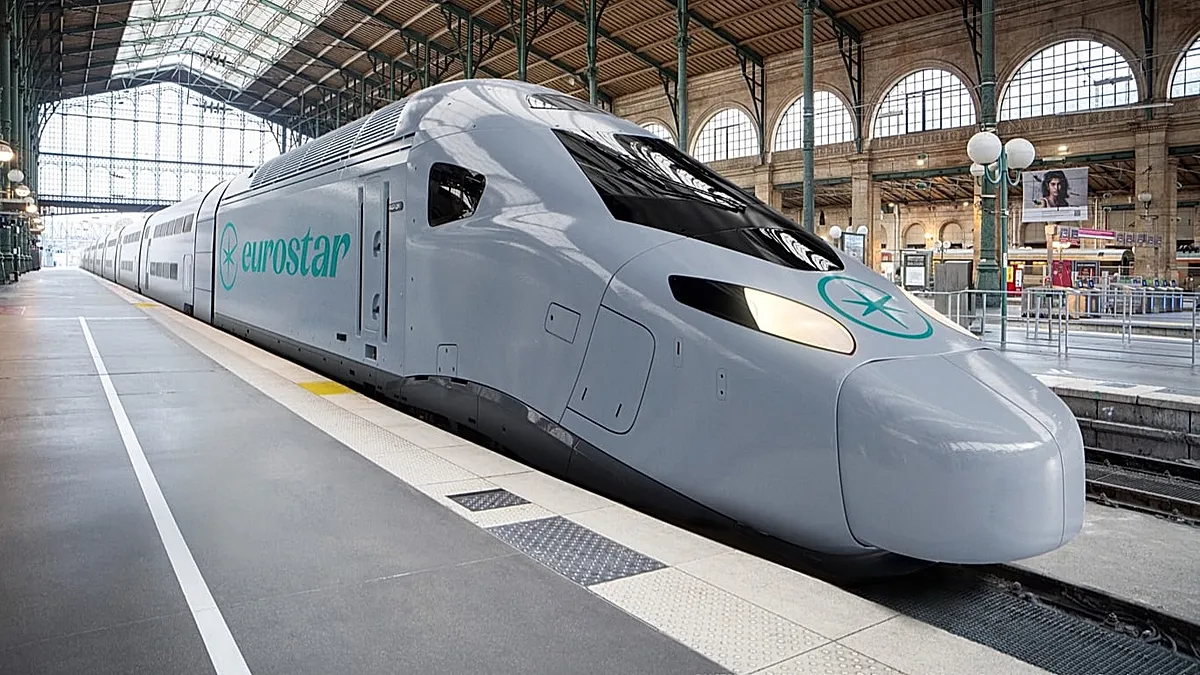
Eurostar’s Celestia Trains Upgrade for Europe’s Heat
Poinews.com – As Europe confronts the growing reality of extreme summer heat, Eurostar is overhauling its new ‘Celestia’ train fleet to ensure resilience in the face of rising temperatures. The focus keyword Why Eurostar s new Celestia highlights the company’s proactive measures to address climate challenges. With heatwaves becoming more intense and prolonged, the rail operator is investing in advanced cooling systems to operate reliably in conditions up to 55°C. This upgrade is essential for the Celestia trains, which are set to revolutionize cross-channel travel starting in 2031 and will serve for decades, ensuring they meet the demands of an increasingly warming climate.
Climate Challenges and Cooling Innovations
The decision to enhance the Celestia trains comes in response to recent record-breaking temperatures across Europe. In June 2026, for instance, Pissos in southwest France reached 44.3°C—its highest on record—exposing vulnerabilities in existing rail infrastructure. Eurostar’s original order for 50 double-decker trains was designed for temperatures up to 45°C, but with climate projections pointing to a hotter future, the operator has chosen to push the limit. This includes upgraded cooling systems, reinforced materials, and improved ventilation to prevent overheating and maintain passenger comfort during peak summer months.
One of the key upgrades involves advanced air conditioning technology that can function efficiently even in the sweltering heat of southern Europe. Engineers are integrating systems that not only cool the interior but also reduce energy consumption, aligning with Eurostar’s sustainability goals. Additionally, the design of the Celestia trains incorporates heat-resistant materials for critical components, ensuring durability in high-temperature environments. These modifications are expected to mitigate issues like malfunctioning brakes and degraded electronic systems, which can become problematic in extreme heat.
Expanded Network and Passenger Capacity
The Celestia trains are set to expand Eurostar’s network by operating through the Channel Tunnel, marking a significant step in connecting UK and European routes. With each train measuring 200 meters in length, the design allows for a 20% increase in seating capacity, offering 540 passengers per vehicle. This expansion is crucial for meeting the growing demand for cross-border travel, particularly as more passengers seek eco-friendly alternatives to air travel. The trains will also feature improved amenities, including more spacious seating and enhanced onboard services, to elevate the passenger experience in high-temperature conditions.
Eurostar has already placed an order for 30 of the Celestia trains, with plans to add 20 more as part of its long-term strategy. This growth targets an annual passenger count of 30 million, reinforcing the operator’s role in boosting the UK’s economy. According to recent reports, Eurostar contributes £2 billion annually to the UK economy, a figure projected to rise as international rail travel becomes more attractive amid climate-conscious trends. The upgrade ensures the Celestia trains can sustain this growth, even as weather patterns shift and extreme heat becomes more common.
“Our new fleet of up to 50 Celestia trains will be equipped with air conditioning systems capable of functioning in temperatures up to 55 degrees,” said a Eurostar spokesperson in an interview with the Daily Mail. “Given their service life through the 2060s, it’s vital to ensure they can handle the changing climate.”
Experts emphasize that the Celestia trains’ modifications are part of a broader effort to future-proof Europe’s rail network. As heatwaves disrupt rail schedules and damage infrastructure, the upgrade addresses both operational and passenger needs. The changes also align with Eurostar’s commitment to sustainability, as the new systems are expected to lower energy demands and reduce the environmental footprint of high-speed travel. With these enhancements, the Celestia trains will not only withstand Europe’s hotter future but also set a benchmark for climate-resilient transportation solutions across the continent.