Russian opposition party-congress in Berlin: Fear that Yashin might become a “Mini-Putin”
Russian Opposition Party Congress in Berlin: Concerns Over Yashin's Leadership Russian opposition party congress in Berlin - The Russian opposition party

Russian Opposition Party Congress in Berlin: Concerns Over Yashin’s Leadership
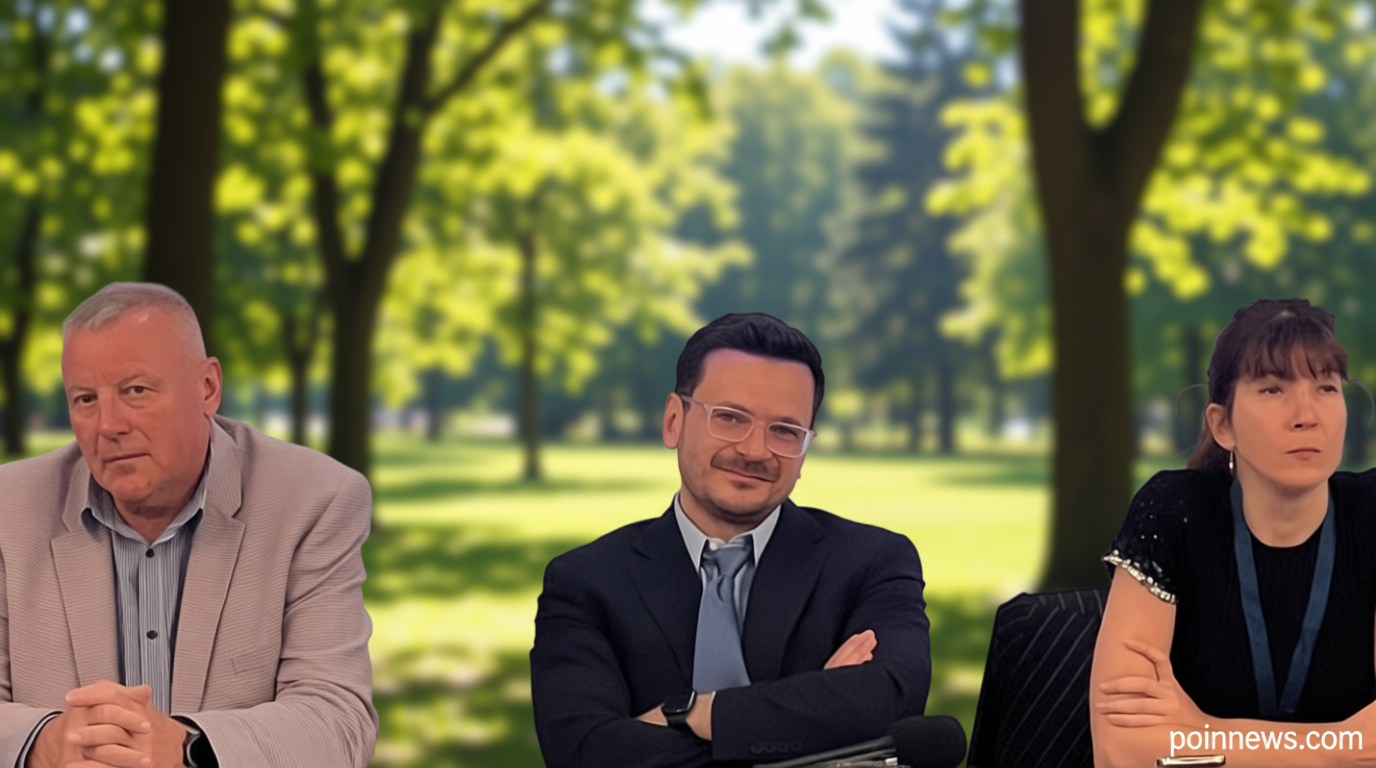
Poinews.com – The Russian opposition party congress in Berlin, held over two days in late June, marked a pivotal moment for the group as they aimed to unify their message and strengthen their position. More than 126 members gathered in the German capital, representing a diverse coalition of activists, intellectuals, and political figures. The event, which took place under the banner of the Peaceful Russia party, was seen as a critical step in their efforts to challenge the Kremlin’s dominance from within. Despite the challenges of operating outside Russia, Ilya Yashin, a key figure and former detainee, secured roughly 60% of the votes to lead the party, according to Igor Kachetkov, a human rights advocate and congress organizer.
Among the key developments at the congress was the renaming of the group from Peaceful Forces of Russia to Peaceful Russia. Kachetkov explained the change was intentional, seeking to sever ties with the image of force and repression associated with the Kremlin’s actions. The new name reflects the party’s commitment to non-violent resistance and their goal of mobilizing supporters both inside and outside Russia. However, the shift also raises questions about the group’s ability to redefine their identity while maintaining the same level of influence as before.
Yashin’s Leadership and Strategic Goals
Ilya Yashin, whose leadership was affirmed at the congress, outlined his vision for the opposition’s future. “Our strength lies in being a voice for those without political representation in Russia,” he said during a keynote speech. “We are based abroad, but our focus must remain on shaping the country’s direction from the outside.” Yashin emphasized the importance of maintaining a clear ideological stance while navigating the complexities of international politics. His speech, however, drew mixed reactions, with some delegates praising his eloquence and others questioning whether his approach would alienate the very people he aims to represent.
“Ilya is an experienced politician, and his ability to communicate effectively is a major asset,” remarked Alexander Archagov, a delegate at the congress. “He has a well-defined plan, and his principles are solid. But the key will be whether he can inspire people to follow him, both in Russia and beyond.” Archagov highlighted Yashin’s potential to bridge gaps between different factions, though he noted the need for a more inclusive leadership model to prevent further divisions.
Internal Divisions and the Risk of Centralization
While Yashin’s election was seen as a unifying moment, internal tensions persisted throughout the congress. Maxim Reznik, a prominent liberal opposition politician and former member of the St. Petersburg Legislative Assembly, voiced concerns about Yashin’s growing influence. “There is a fear that Yashin might become a ‘Mini-Putin’—a leader who prioritizes control over collaboration,” Reznik stated. He argued that the party’s centralized structure could mirror the authoritarian tendencies of the current regime, limiting the autonomy of regional activists.
“We need someone who can unite diverse voices across Russia’s regions. At the moment, I don’t see that in Yashin,” Reznik added. “His approach is too rigid, and he’s trying to recreate a model similar to the Soviet Communist Party, which is not ideal for modern opposition movements.” This critique underscores the broader challenge facing the Russian opposition: balancing strong leadership with the flexibility needed to adapt to a rapidly changing political landscape.
The congress also featured discussions on the role of the diaspora in shaping the opposition’s strategy. Many participants stressed the importance of maintaining connections with Russian communities in Europe, arguing that these networks are crucial for sustaining momentum. Yet, some delegates worried that the party’s reliance on foreign support could lead to a disconnect from domestic realities. “We must ensure our message resonates with Russians who are still living under the current system,” said one attendee. “That requires a clear, consistent platform that addresses their daily struggles.”
Experts like Andreas Heinemann-Grüder, a Russia analyst at the University of Bonn, noted that the congress highlighted the ongoing fragmentation of the Russian opposition. “Leadership disputes and competing ideologies have long hindered progress,” Heinemann-Grüder explained. “For the party to succeed, they need to adopt a more decentralized structure, much like Yabloko did in the 1990s, to reflect Russia’s ethnic and regional diversity.” This approach, he suggested, would help the group build broader support and avoid the pitfalls of centralized control.
As the Russian opposition party congress in Berlin concludes, the road ahead remains uncertain. Yashin’s leadership has brought a sense of direction, but the group must prove they can overcome past divisions and adapt to new challenges. With a growing number of activists seeking to challenge the status quo, the congress serves as a reminder of the potential—and the risks—associated with redefining the opposition’s role in the fight for change. Whether Yashin will remain a symbol of hope or evolve into a figure of controversy depends on how effectively the party can balance unity with ideological flexibility in the months to come.