Romanian president nominates Adrian Vestea as prime minister
Romanian President Appoints Adrian Vestea as New Prime Minister Romanian president nominates Adrian Vestea as prime minister, marking a pivotal shift in the

Romanian President Appoints Adrian Vestea as New Prime Minister
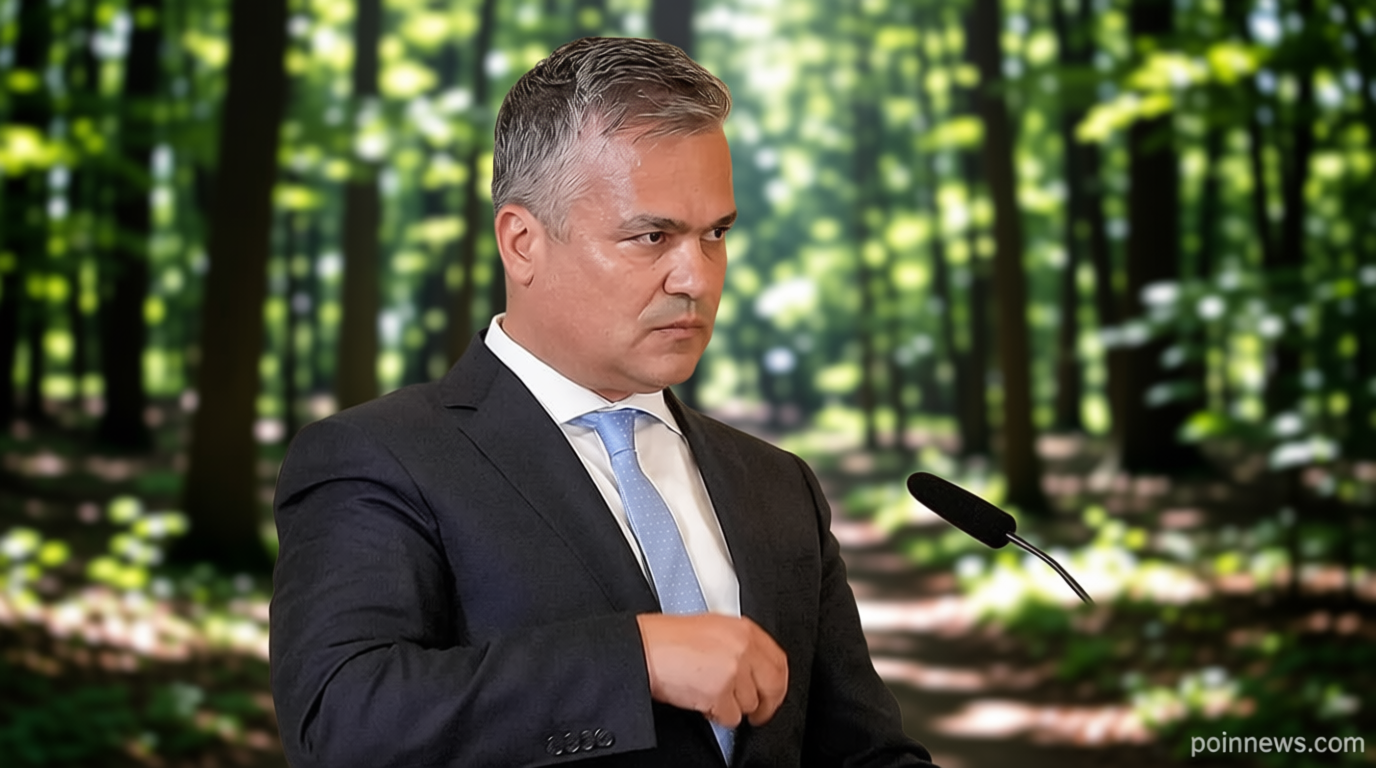
Poinews.com – Romanian president nominates Adrian Vestea as prime minister, marking a pivotal shift in the country’s political landscape. Following the sudden resignation of Eugen Tomac on Sunday, President Nicusor Dan announced the selection of Adrian Vestea as the new head of government. In a brief statement posted on X, Dan emphasized,
“Eugen Tomac resigned this morning, and under these circumstances, I am appointing Adrian Vestea as Prime Minister.”
The move underscores the ongoing challenges faced by Romania’s administration, which has been grappling with internal conflicts and public discontent. Dan also highlighted,
“Neither Tomac nor I have been engaged in genuine governance. We moved in this direction following consultations with the political parties. At this point, however, it is clear that a political solution is the right one.”
Political Turmoil and Leadership Transition
Romania has been in a state of political upheaval since the collapse of its government in May, triggered by a no-confidence vote against Liberal leader Ilie Bolojan. The vote followed the Social Democratic Party (PSD) withdrawing from the coalition in late April and aligning with far-right groups to demand the motion. At the time, the PSD argued that Bolojan had “failed to implement any genuine reform” and called for a “leader capable of collaboration.” The resignation of Tomac, a prominent figure in the previous administration, has further intensified the crisis, forcing the president to step in and propose a new leadership direction. The nomination of Vestea is seen as a strategic effort to stabilize the government and restore public confidence in the face of mounting pressure.
Adrian Vestea’s Political Background
Adrian Vestea, a long-time member of Romania’s National Liberal Party (PNL), has emerged as a key figure in the nation’s political arena. The president’s statement portrayed Vestea as “pro-Western” and “a man of dialogue, with strong values,” highlighting his reputation for fostering consensus among political factions. Vestea’s experience in fiscal management, particularly his role in shaping budget policies during his tenure in the previous government, has positioned him as a viable candidate for the role. Romania, which joined the European Union in 2007, has struggled with high public deficits, with the figure standing at 9.3% of GDP in 2024 before dropping slightly to 7.9% in 2025. His nomination is expected to bring a renewed focus on fiscal discipline and economic reform, critical issues that have dominated the political discourse in recent months.
The Process of Appointment
The process of appointing Vestea as prime minister reflects the complex dynamics within Romania’s parliamentary system. After Tomac’s resignation, President Dan convened emergency meetings with the ruling coalition parties to determine the next course of action. The National Liberal Party, along with the centrist Democratic Party (PD), supported Vestea’s candidacy, signaling a potential realignment of power within the coalition. Vestea’s appointment was also endorsed by the ruling majority in the Senate, which played a crucial role in the formation of the new government. This procedural step highlights the president’s influence in political transitions, as he leveraged his authority to expedite the process amid uncertainty. The decision has been met with mixed reactions, with some analysts praising the move as a pragmatic solution, while others question its long-term effectiveness in addressing systemic challenges.
Implications for Romanian Policy
Romanian president nominates Adrian Vestea as prime minister, a decision that could reshape the country’s policy priorities in the coming months. With Vestea’s focus on economic stability and cross-party cooperation, the new government is expected to prioritize reducing the budget deficit and improving public services. His background in fiscal policy suggests a potential shift toward austerity measures and investment in key sectors such as healthcare and education. However, the success of his administration will depend on his ability to secure the support of opposition parties, which have been critical of the current economic strategy. Analysts note that Vestea’s appointment may also signal a broader realignment of political alliances, as the National Liberal Party seeks to consolidate its position in the coalition. This transition comes at a critical time for Romania, which must navigate both domestic challenges and international expectations as it continues its integration into the European Union.
Public and Political Reactions
The announcement of Vestea’s nomination has sparked a range of reactions from both the public and political circles. Supporters of the president argue that Vestea’s leadership can provide the necessary momentum to address the nation’s economic and political crises, while critics remain skeptical about his ability to enact meaningful reforms. Social media platforms have seen a surge in discussions about the new prime minister, with some users expressing hope for a more transparent administration, while others voice concerns about the lack of transparency in the selection process. Meanwhile, the opposition parties, including the PSD and the far-right groups that played a role in Tomac’s resignation, have called for further dialogue to ensure that the new government reflects a broader consensus. As Vestea prepares to take office, the political landscape remains fluid, with the potential for further shifts in the coming weeks.