
Two UK universities merge to form country’s first ‘super-university’
Two UK universities merge to form a groundbreaking partnership that will reshape higher education in Britain. London's University of Greenwich and the

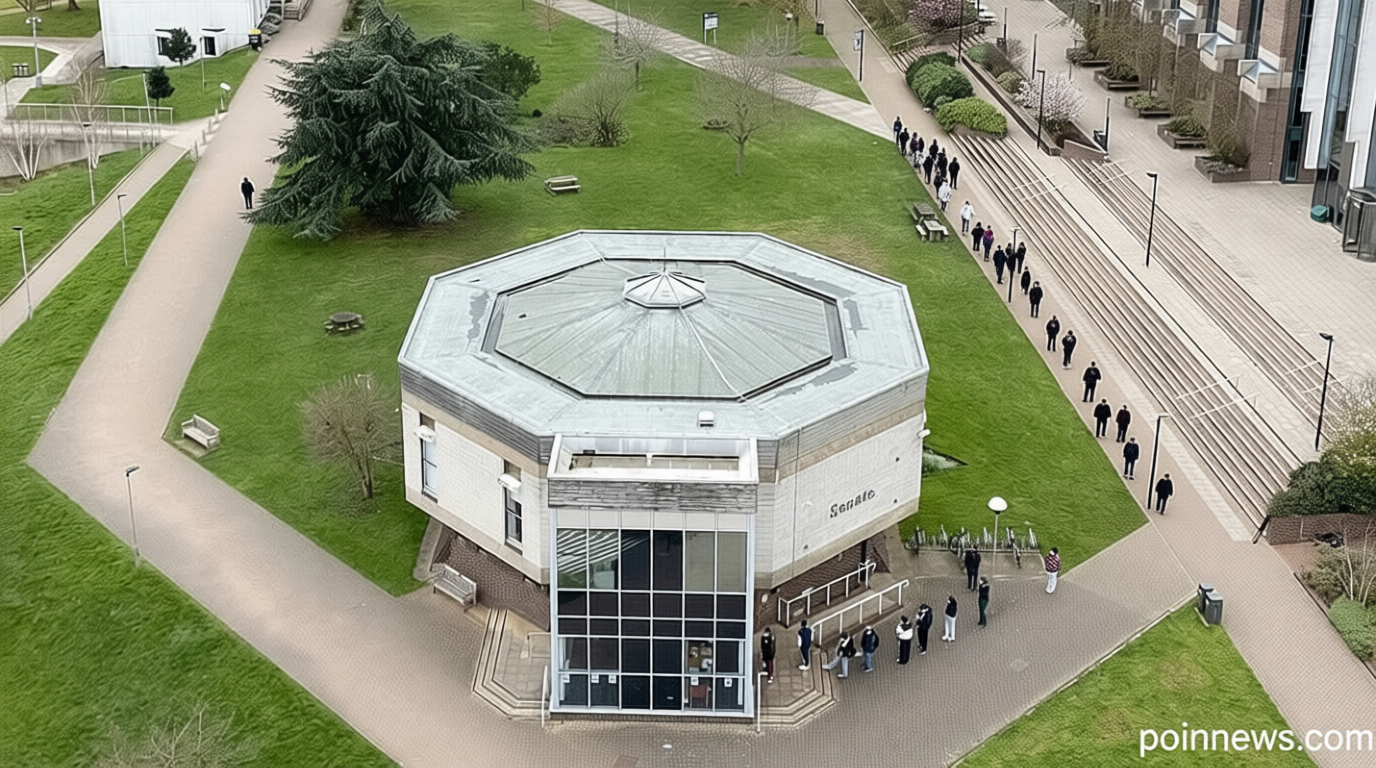
Table of Contents
Two UK Universities Merge to Form Historic Super-University
Poinews.com – Two UK universities merge to form a groundbreaking partnership that will reshape higher education in Britain. London’s University of Greenwich and the University of Kent in southeast England have officially completed their merger, creating what they are calling the UK’s first “super-university.” This ambitious collaboration establishes the new “London and South East University Group,” which will operate under the acronym LASE. The newly formed entity boasts more than 50,000 students, positioning it as the third largest university in the entire United Kingdom. Despite this consolidation, both institutions will continue operating under their original names while maintaining separate academic divisions, allowing prospective students to apply, study, and graduate at whichever campus best suits their needs.
Leadership and Campus Structure
The LASE group will feature a comprehensive governance framework, including a chancellor, governing body, and senior executive team to oversee operations. The official launch ceremony is scheduled for September 7, with celebratory events planned across all four campuses: Greenwich, Avery Hill, Medway, and Canterbury. Professor Jane Harrington, who serves as the founding vice-chancellor and CEO of LASE, has promised what she describes as a “truly spectacular launch,” with additional details to be announced closer to the event date.
Professor Harrington expressed her gratitude to all stakeholders involved in this historic achievement. “A massive thank you to everyone who has been involved in getting us to this point – there has been tireless work over the last year working to an ambitious timetable and developing a new university model that has never been done before,” she stated. She emphasized that this merger positions LASE for success: “It means we are starting with a smooth transition, an extremely strong senior executive team and clear direction so that we can fulfil our potential as the UK’s first super-university.”
The timing of this merger is particularly significant given the challenging economic landscape facing British higher education. The two UK universities merge to form during a period of mounting financial pressures that have affected even the most prestigious institutions in the country. This strategic consolidation aims to create greater resilience against economic volatility while maintaining academic excellence across multiple disciplines.
Recent warnings from parliamentary committees highlight the urgency of such initiatives. In May, members of parliament on an education select committee cautioned that UK universities were experiencing serious economic strain, with the possibility of major institutional closures looming. “The higher education sector in England is facing a financial crisis that now poses a real risk of institutional insolvency,” the education committee reported. They further noted: “We heard compelling evidence that, without urgent and coordinated action, there is a clear possibility of a university closing.”
The consequences of such closures extend far beyond individual institutions. The committee warned that the impact would be “severe, not only for students and staff, but for local economies, communities and the UK’s global academic reputation.” This context underscores why the merger of these two UK universities represents more than just administrative consolidation—it is a strategic response to systemic challenges facing British higher education.
Looking Ahead: Future Growth and Opportunities
One of the most exciting aspects of the LASE model is its potential for expansion. The new group has been specifically designed to allow other universities to potentially join in the future, creating opportunities for further consolidation and growth within the sector. This open architecture could transform how British universities collaborate and compete on both national and international stages.
As the higher education sector continues to evolve, the success of this merger could serve as a blueprint for other institutions facing similar challenges. The combination of academic excellence, financial sustainability, and strategic vision positions LASE to play a leading role in shaping the future of British higher education.
“The higher education sector in England is facing a financial crisis that now poses a real risk of institutional insolvency,” warned the education select committee in May 2026.
Frequently Asked Questions
When will the LASE group officially launch? The official launch of the LASE group is set to take place on September 7, with events marking the occasion scheduled to be held across its four campuses.
How many students will the new super-university have? The LASE group will have more than 50,000 students, making it the third largest university in the UK following the merger.
Will students still be able to choose which campus to attend? Yes, the two universities will continue to operate under their own names and will maintain distinct academic divisions, with prospective students applying, studying, and graduating at the institution of their choice.
What is the main reason for this merger? The merger comes amid mounting economic pressures facing British universities, including warnings from parliament that the higher education sector faces a financial crisis that could lead to institutional closures without urgent action.
Can other universities join the LASE group in the future? Yes, the new group has been specifically designed to allow other universities to potentially join in the future, creating opportunities for further expansion and collaboration.