Eight member states oppose the opening of Serbia’s next EU accession cluster
Eight EU Member States Oppose Serbia's Next Accession Cluster Opening Eight member states oppose the opening - Eight EU member states have expressed

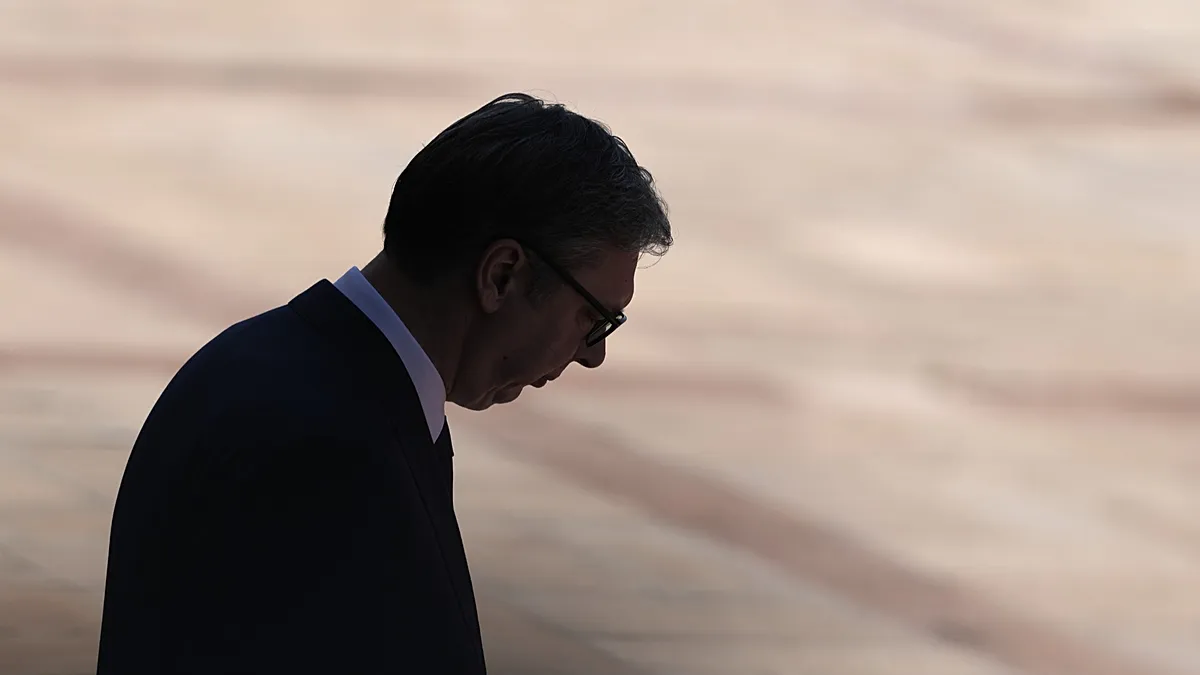
Eight EU Member States Oppose Serbia’s Next Accession Cluster Opening
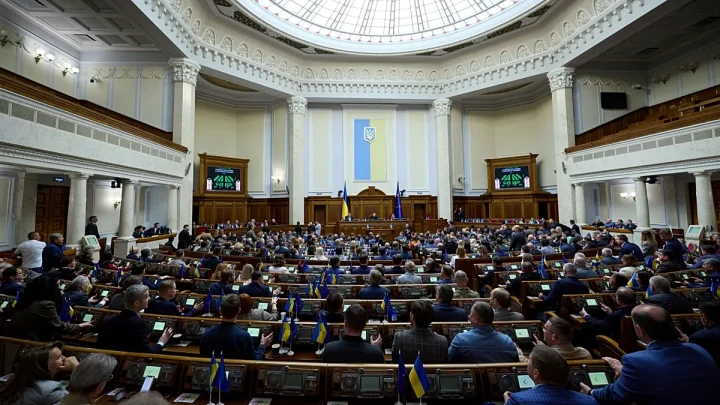
Poinews.com – Eight EU member states have expressed opposition to the opening of Serbia’s next EU accession cluster, signaling a significant divide among European leaders as they debate the country’s readiness for deeper integration. During a recent meeting in Brussels, diplomats highlighted concerns over Serbia’s progress in key reform areas, with nations like the Netherlands, Sweden, Finland, Belgium, Estonia, Lithuania, Bulgaria, and Croatia rallying behind a unified stance. While a minority of member states, including Denmark, Luxembourg, and Latvia, supported the move, France emerged as a strong advocate, arguing that Serbia’s alignment with European values warrants accelerated negotiations.
“Serbia has demonstrated a commitment to democratic reforms and economic modernization,” said French President Emmanuel Macron in a recent statement. “Opening Cluster 3 would strengthen our unity and set a clear path for Western Balkan countries to join the EU.”
The disagreement centers on the EU’s enlargement strategy, with critics asserting that Serbia’s recent achievements in judicial reforms, media freedom, and electoral frameworks are insufficient to warrant the cluster’s activation. The European Commission, which has been pushing for the next phase, cited Serbia’s progress as a justification, but member states remain wary of potential setbacks in the long-term integration process. The decision to open Cluster 3 would require unanimous agreement, a threshold that appears unattainable as of now.
Historical Context and Current Progress
Since Serbia’s formal application for EU membership in 2009, the country has made steady strides toward accession, earning candidate status in 2012. However, the path to full membership has been marked by delays and inconsistent reforms. To date, 22 of the 35 chapters in the EU accession process have been opened, with two remaining provisionally closed. Cluster 3, which focuses on competitiveness and inclusive growth, is now at the center of the debate, as its activation would mark a pivotal step in Serbia’s bid to join the bloc.
Recent assessments by the European Commission highlighted Serbia’s implementation of judicial reforms, including the repeal of contentious amendments to the constitution, as well as progress in media freedom and electoral systems. However, the Commission also noted that “persistent challenges remain” in areas such as corruption eradication and the alignment of national policies with EU standards. These challenges have prompted some member states to delay the opening, fearing that Serbia may not meet the necessary criteria for full integration.
Reforms and Diplomatic Tensions
The European Parliament’s 2025 enlargement report, which received overwhelming support with 468 votes in favor, provided a mixed evaluation of Serbia’s progress. While the report acknowledged improvements in judicial reforms and foreign policy cooperation, it also criticized the “slow pace” of reforms and “stalling” commitments in key sectors. Croatian MEP Tonino Picula, who chaired the report, argued that the EU must remain vigilant in ensuring Serbia’s adherence to democratic principles and economic modernization.
European Commissioner for Enlargement Marta Kos emphasized the Commission’s belief that Serbia’s recent achievements justify the opening of Cluster 3. “The momentum in reforms is critical for Serbia’s future within the EU,” she stated during a debate in Strasbourg. “We must provide incentives to ensure continued progress and stability.” However, opponents argue that the Commission’s optimism may overlook systemic issues, such as the persistence of corruption and the need for more robust institutional reforms.
Meanwhile, Serbia’s former Prime Minister Ana Brnabić has defended the country’s progress, dismissing claims of pro-Russian alignment. “Serbia has been a steadfast supporter of Ukraine since the invasion,” she stated in a recent interview. “Our reforms are transparent, and we are working closely with the EU to meet all necessary criteria.” Brnabić also accused the EU of applying “double standards” in its evaluation, suggesting that other candidate countries have faced similar scrutiny but were given more leeway.
The debate over Serbia’s accession cluster reflects broader tensions in the EU’s enlargement process. With the bloc facing pressure to address the needs of the Western Balkans, the decision to open Cluster 3 could influence the timeline for other countries’ membership bids. Proponents argue that Serbia’s potential entry would solidify the region’s stability and strengthen the EU’s geopolitical position, while opponents warn of the risks of premature integration without comprehensive reforms.