Andy Burnham wins key UK by-election, setting up Labour leadership battle with Starmer
Andy Burnham Wins Key UK By-Election, Setting Up Labour Leadership Battle with Starmer Andy Burnham wins key UK by election - Andy Burnham wins key UK

Andy Burnham Wins Key UK By-Election, Setting Up Labour Leadership Battle with Starmer
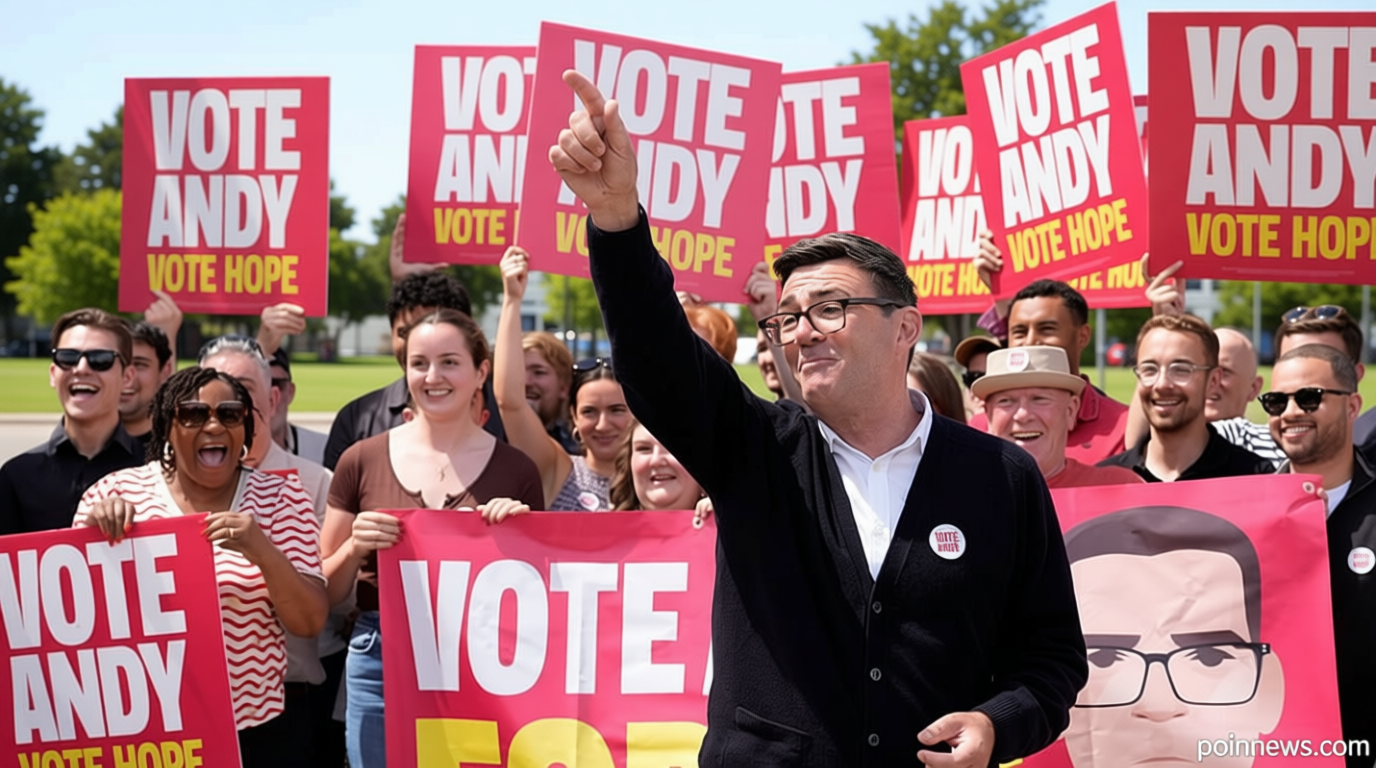
Poinews.com – Andy Burnham wins key UK by-election – The Greater Manchester Mayor, Andy Burnham, has emerged victorious in the pivotal by-election for the Makerfield constituency, a vital seat in the UK’s political landscape. This result positions him as a formidable contender in the upcoming Labour leadership race against current Prime Minister Keir Starmer, marking a critical turning point for the party’s internal dynamics. Burnham’s triumph follows the resignation of former Makerfield MP Josh Simons, creating a leadership vacuum that he is now poised to fill.
Strategic Victory and Electoral Context
Burnham’s win in the Makerfield by-election secured 24,927 votes, accounting for roughly 55% of the total, which solidified his grip on the constituency. Reform UK’s Robert Kenyon came in second with 15,696 votes, while Restore Britain’s Rebecca Shepherd garnered 3,111. The outcome underscores Labour’s resilience amid recent electoral challenges, as the party continues to navigate the complexities of a divided political environment. This by-election has become a litmus test for Labour’s ability to retain its core support and counter the influence of right-wing challengers like Reform UK.
Labour’s Leadership Impasse and Internal Tensions
Following Labour’s underwhelming performance in May’s local elections, Keir Starmer has faced mounting pressure to assert his authority as leader. Andy Burnham’s by-election success is viewed as a strategic move to challenge Starmer’s leadership, with many party members questioning whether the current direction is sustainable. Burnham’s campaign has centered on themes of unity and optimism, contrasting with Starmer’s more centrist approach. The battle for Labour’s leadership is expected to intensify as the party seeks to redefine its identity and strategy in the wake of the May results.
“The Labour leadership race is now in full swing,” Burnham remarked in his victory speech. “This by-election result demonstrates that the party has a chance to reset its course and refocus on the values that unite us. We must not only win back lost ground but also pave the way for a more cohesive and forward-thinking vision for the UK.”
Burnham’s victory has already sparked speculation about the potential for a broader leadership contest. With the party’s recent setbacks, his challenge to Starmer could rally a faction of members who believe a change in leadership is necessary to regain momentum. The Makerfield by-election serves as a microcosm of the larger struggle within Labour, where ideological differences and strategic priorities are being tested. Analysts suggest that the result could signal a shift in the party’s balance of power, influencing future decisions on policy and governance.
Starmer’s Response and Political Reckoning
Keir Starmer acknowledged Burnham’s win on social media, expressing hope that the result would bolster Labour’s message of unity. His leadership, however, remains under close examination as internal dissent grows. Starmer’s focus on centrist policies has been criticized by some as insufficient to address the concerns of traditional Labour voters, particularly in the wake of the May elections. The Makerfield by-election has intensified scrutiny of his leadership, with calls for him to step down gaining traction among party members and opposition figures.
As the by-election results crystallize, the Labour leadership race is anticipated to unfold in the coming months. Former health secretary Wes Streeting has already signaled his intent to run, adding to the competition. The contest will not only determine the next leader but also shape Labour’s future direction, with Burnham’s victory providing a clear mandate for his candidacy. The party’s ability to reconcile its internal divisions will be crucial in the months ahead, as it prepares for the next general election.
Implications for Labour’s Electoral Strategy
Burnham’s success in Makerfield is likely to influence Labour’s broader electoral strategy, particularly in key battleground areas. The by-election result highlights the importance of local governance in national politics, as candidates like Burnham leverage their regional experience to appeal to voters. With Reform UK and other right-leaning parties gaining ground, Labour must balance its traditional base with a broader appeal to swing voters. This by-election has demonstrated that a strong local presence can bolster the party’s national prospects, especially in constituencies with a history of Labour support.
As the Labour leadership battle unfolds, the party’s strategy will be shaped by the outcome of this by-election. Burnham’s victory provides a blueprint for how Labour can reinvigorate its message and reclaim lost ground. The challenge to Starmer’s leadership will be a test of the party’s ability to adapt to changing political tides while maintaining its core principles. With the stakes high, the next few months will be pivotal in determining the future trajectory of Labour and its prospects in the UK’s political landscape.