Deadly overnight Russian attack in Ukraine as industrial facilities were struck deep into Russia
Deadly Russian Attack in Ukraine Targets Russian Industrial Facilities Deadly overnight Russian attack in Ukraine - On the night of June 14, a deadly

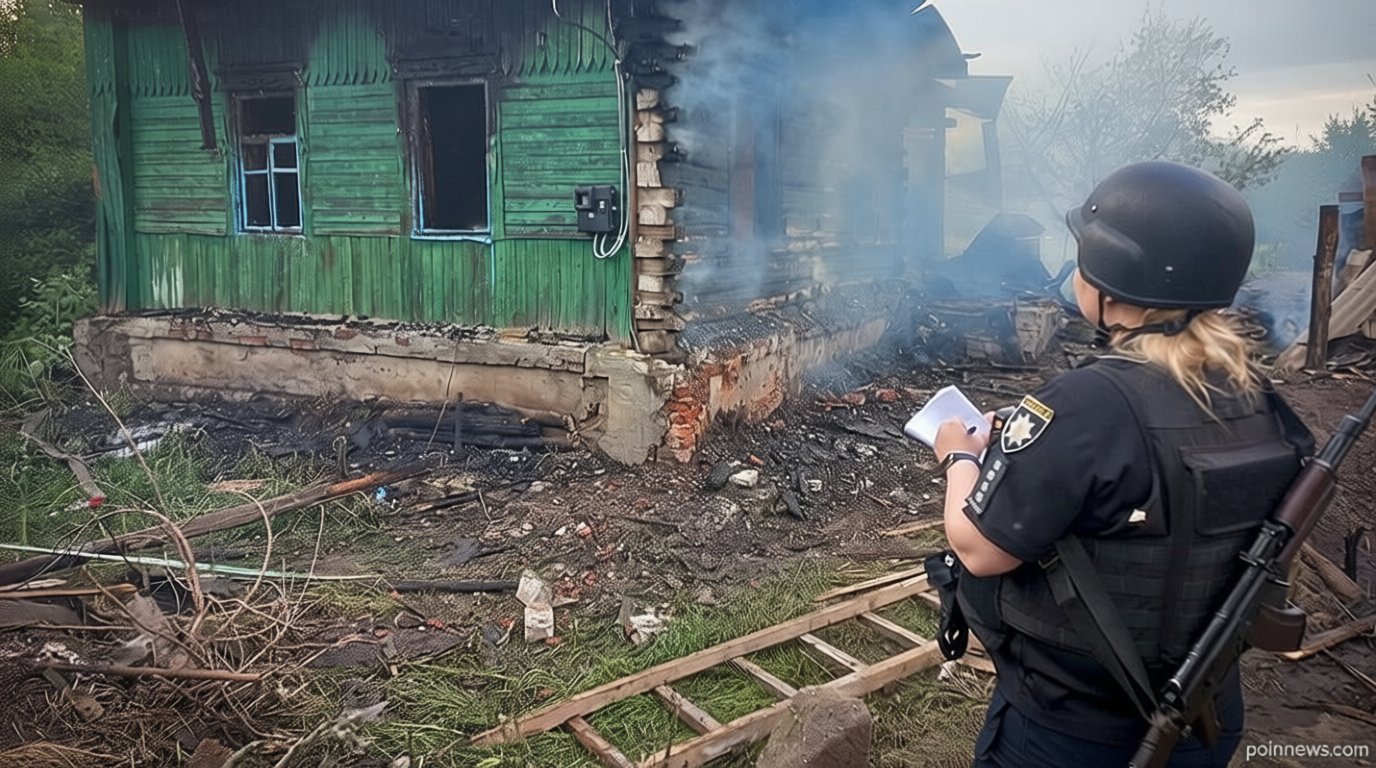
Table of Contents
Deadly Russian Attack in Ukraine Targets Russian Industrial Facilities
Poinews.com – On the night of June 14, a deadly overnight Russian attack in Ukraine caused significant casualties and destruction, as artillery and drone strikes hit multiple locations in the Sumy Oblast. According to Ukraine’s national police, two civilians were killed and four others injured during the assault. The Bilopol area suffered the most, with a 64-year-old woman losing her life in a drone strike, while two men aged 51 and 66 were wounded in the same event. In Seredino-Budsk, a separate strike resulted in the death of a 57-year-old woman, highlighting the severity of the attack across 17 communities in the region.
Weapons Used in the Strike
“The enemy deployed guided aerial bombs, attack UAVs, FPV drones, artillery, and mortars during the strike,” stated police officials. These weapons were responsible for the widespread damage, with the assaults targeting both residential areas and critical infrastructure. The use of FPV drones—first-person view drones—suggests a coordinated effort to maximize precision and minimize exposure to Ukrainian forces. This method has become a hallmark of Russian military tactics in recent months, allowing for targeted strikes even in the early hours of the morning.
The deadly overnight Russian attack in Ukraine was part of a broader escalation in the conflict, with reports indicating that the strikes were not limited to Ukrainian territory. Ukrainian forces responded by launching counterattacks deep into Russia, targeting key industrial and military installations. This dual-pronged approach has intensified the war’s impact, creating a cycle of retaliation that has drawn international attention.
Ukrainian Counterstrikes on Russian Infrastructure
As the Russian assault continued, Ukrainian forces retaliated by striking Russian industrial facilities in the northern regions. The Azot chemical plant in Novomoskovsk, Tula Oblast, was set ablaze, causing major damage. This facility, located 200 kilometers south of Moscow, is a vital part of Russia’s ammonia and nitrogen fertilizer production, which has been crucial for its military supply chain. The attack on Azot marks a strategic shift in the war, as Ukrainian forces now target resources that support Russia’s war efforts.
Further strikes hit the Rybinsk oil depot in Yaroslavl Oblast, igniting a massive fire that spread quickly. Russian officials confirmed the attack on Novomoskovsk but provided limited details on the damage inflicted at the Azot plant. Tula Oblast Governor Dmitriy Milayev noted,
“Fragments from downed Ukrainian drones landed on an industrial enterprise’s premises in Novomoskovsk during the repulsion of the aerial assault.”
The location is approximately 395 kilometers from Ukraine’s border, making it a critical point for both sides in the conflict.
The deadly overnight Russian attack in Ukraine also sparked renewed efforts to disrupt Russian supply lines. In Oryal, a residential building was hit, while a railway infrastructure site suffered damage. These strikes were reported by the Telegram channel Astra, which monitors military activity in the region. Additionally, the Afipsky Oil Refinery in Krasnodar Oblast was attacked on June 11, and a military factory in Cheboksary, Chuvash Republic, which produces drone and missile components, was damaged on June 10. These incidents underscore the ongoing battle for strategic dominance on both fronts.
Experts suggest that the deadly overnight Russian attack in Ukraine reflects a broader strategy to weaken Ukraine’s ability to sustain its defense while simultaneously damaging Russia’s industrial base. The coordination of attacks across multiple locations indicates a well-planned operation, possibly aimed at creating chaos and forcing a response from Russian forces. Analysts warn that such targeted strikes could escalate the conflict, drawing more international involvement and increasing the risk of direct confrontations between Ukrainian and Russian troops.
As the war continues, the deadly overnight Russian attack in Ukraine has raised concerns about the long-term consequences for both nations. The destruction of key facilities in Russia not only impacts its military capabilities but also disrupts economic production. Meanwhile, the casualties in Ukraine highlight the human cost of the conflict, as civilians bear the brunt of the fighting. The situation remains volatile, with both sides vying for control over critical resources and strategic positions.