Moroccan prosecutors charge 25 over Ceuta migrant crossings
Moroccan prosecutors charge 25 over the recent mass migration event that saw thousands of people cross into the Spanish enclave of Ceuta. The legal

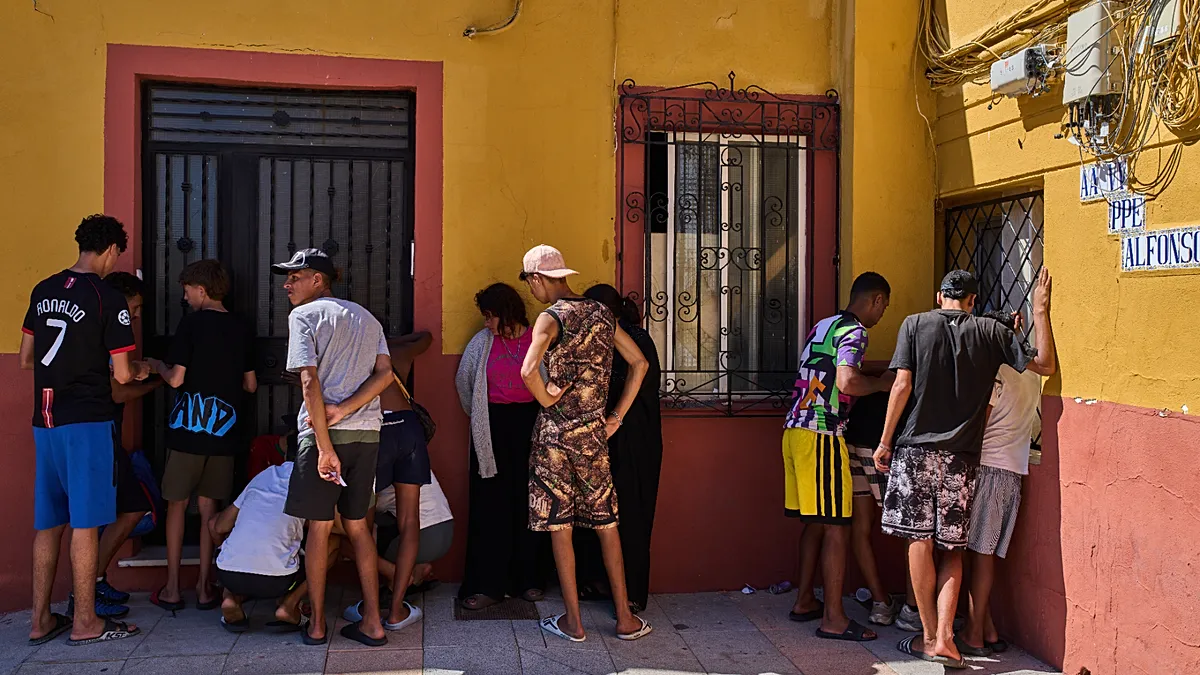
Table of Contents
Moroccan Prosecutors Charge 25 Over Ceuta Migrant Crisis
Poinews.com – Moroccan prosecutors charge 25 over the recent mass migration event that saw thousands of people cross into the Spanish enclave of Ceuta. The legal proceedings, announced this week, represent a significant response from Moroccan authorities to what has been described as an unprecedented border situation. According to reports from the Moroccan news outlet Hespress, the charges span multiple categories including organizing illegal border crossings, transporting passengers without proper licensing, and overcrowding vessels used for the crossings.
The comprehensive list of charges also includes overstaying visas, insulting and assaulting security forces, and deliberately damaging public property during the chaotic events. These legal actions demonstrate Morocco’s commitment to addressing both the immediate crisis and the underlying issues that contributed to the large-scale movement of people. The charges were filed following extensive investigations by Moroccan judicial authorities who worked to identify individuals responsible for coordinating and facilitating the crossings.
Diplomatic Response and Border Control Assertions
On Monday, the Moroccan government firmly denied that it had given in to “pressure or blackmail” during the crisis, which saw tens of thousands of migrants enter Ceuta. Officials expressed their “disappointment” at the reactions of several European leaders, accusing them of attempting to use the migration crisis for domestic political gains. This diplomatic stance reflects Morocco’s determination to maintain its sovereignty in managing border affairs while addressing international concerns.
Moroccan diplomatic sources also rejected claims that the country had eased border controls during the period in question. Speaking to Spanish media, they insisted that anyone attempting to cross the border “knows that they will be sent back and that Morocco will accept their return.” This commitment, they emphasized, is one that Rabat has upheld “for years,” demonstrating consistency in its border management policies despite the recent challenges.
The situation in Ceuta has drawn significant attention from both regional and international observers. The Spanish territory, located on Morocco’s northern coast, has long been a focal point for migration flows between Africa and Europe. The recent events have highlighted the complex dynamics of border management, diplomatic relations, and humanitarian concerns that characterize this region.
“Moroccan prosecutors charge 25 over the recent crisis, demonstrating our commitment to addressing both immediate and systemic issues in border management.”
Meanwhile, the Moroccan Association for Human Rights (AMDH) said this week that Moroccan authorities have prosecuted 52 people in the city of Nador over their alleged involvement in the recent crisis. According to a statement from the organization, 11 young people appeared before the Criminal Division of the Court of Appeal in Nador, while another 41 people have been brought before the city’s Court of First Instance. All remain in pre-trial detention and some face accusations of criminal offences, although AMDH has not specified the charges against them.
Legal Proceedings and Future Implications
The legal proceedings in both Ceuta and Nador are expected to continue as authorities gather additional evidence and prepare for court hearings. Legal experts suggest that the outcomes of these cases could have significant implications for future border management policies and diplomatic relations between Morocco and European countries. The charges filed against the 25 individuals represent just one aspect of Morocco’s comprehensive response to the crisis.
As the situation develops, Moroccan officials continue to emphasize their commitment to maintaining order while addressing the humanitarian dimensions of the migration issue. The coordinated efforts between judicial authorities, diplomatic representatives, and human rights organizations demonstrate a multifaceted approach to managing the challenges posed by the recent border crossings.
Frequently Asked Questions
What are the main charges against the 25 individuals?
The primary charges include organizing illegal border crossings, transporting passengers without a license, overcrowding vessels, overstaying visas, insulting and assaulting security forces, and deliberately damaging public property. These charges reflect the various roles individuals played in facilitating the mass crossing.
Where are the legal proceedings taking place?
The proceedings are being conducted in multiple locations, including courts in Ceuta and Nador. The 25 individuals face charges in Ceuta, while an additional 52 people are being prosecuted in Nador for their alleged involvement in the crisis.
How does Morocco view its border control policies?
Morocco maintains that it has consistently upheld its border control commitments for years and has not eased controls during the recent crisis. Officials emphasize that anyone attempting to cross will be sent back and that Morocco will accept their return.
What is the current status of those charged?
All individuals charged remain in pre-trial detention as the legal process continues. Some face additional criminal accusations beyond the initial charges related to the border crossings.