Belgium pushes back against new attempt to use Russian assets to support Ukraine
As Ukraine's war budget deepens into deficit and Moscow escalates drone barrages across the Black Sea, European leaders have revived plans to tap the €210

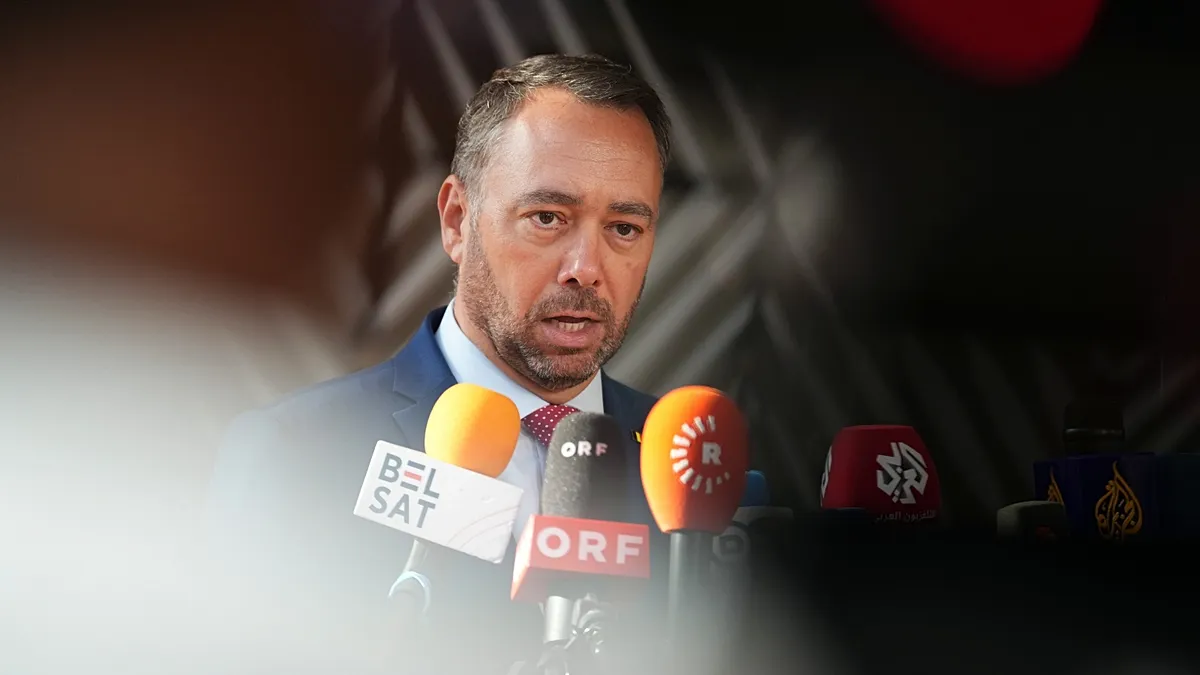
Table of Contents
Belgium Pushes Back Against New Attempt on Russian Funds
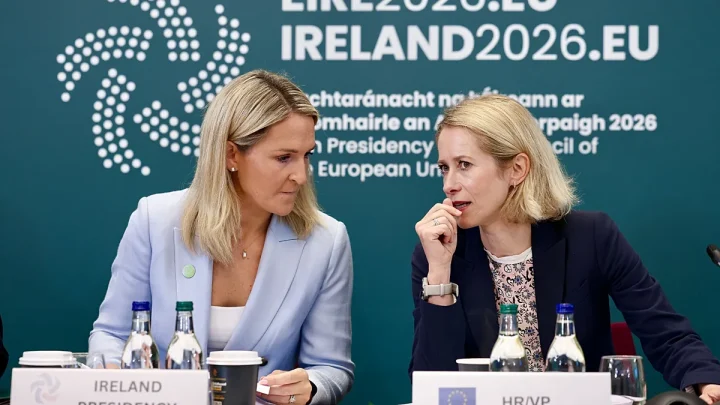
Poinews.com – As Ukraine’s war budget deepens into deficit and Moscow escalates drone barrages across the Black Sea, European leaders have revived plans to tap the €210 billion in frozen Russian Central Bank assets held within the bloc. Belgium pushes back against new attempt after attempt to unlock those reserves, and its latest refusal has triggered a pointed clash among EU foreign ministers at an informal session convened in Ireland on Tuesday.
The Budget Gap Behind the Pressure
Kyiv’s Ministry of Defence faces a €23 billion shortfall covering troop pay, equipment procurement, and frontline logistics. To close that gap, Ukraine has asked allies to accelerate disbursement of a slice of the €45 billion already committed under the EU’s lending programme — effectively pulling forward tranches earmarked for 2027 and thinning the final year of the loan’s original schedule. The European Commission has not yet received a formal written request on the front-loading concept, but diplomatic signals make the pressure unmistakable.
Moscow’s pivot to sustained, round-the-clock drone campaigns aimed at crippling Ukrainian industrial output, paired with stepped-up naval strikes choking grain exports from Black Sea ports, has accelerated the drain on Kyiv’s coffers and sharpened the urgency in Brussels.
Who Backs the Move, and Why Belgium Holds the Line
Sweden, the Netherlands, Spain, and Poland led the latest push, dispatching a joint letter to fellow member states last week arguing that the existing €90 billion joint-debt loan — agreed at a contentious December summit — “will not be enough” given Russia’s relentless escalation. The four nations warned that “as each day passes, the cost of the war is rising as Russia’s relentless attacks continue unabated.” The Baltic states voiced parallel support.
Momentum stalled, however, when Belgium — custodian of the bulk of the frozen assets through the Euroclear depository headquartered in central Brussels — made clear it would not budge. Foreign Minister Maxime Prévot told colleagues at the close of the Irish meeting that the discussion “generated little enthusiasm or appetite among colleagues” and reiterated a position he described as unchanged for a full year.
“The reasons behind our opposition have not magically disappeared in the meantime,” Prévot said, adding that any mechanism amounting to confiscation of sovereign assets would carry “very significant risks” extending well beyond a single depository’s balance sheet.
Brussels’s calculus traces back to last year, when the European Commission floated channeling the full €210 billion into a zero-interest credit line for Ukraine. Belgium demanded complete mutualisation of downside risk and uncapped guarantees as a precondition for participation and flagged the spectre of a eurozone-wide financial and reputational catastrophe should Moscow retaliate without restraint. That proposal collapsed at the December summit, where leaders opted instead for the joint-debt route. Around the same period, the Russian Central Bank filed suit against Euroclear — a legal battle still unresolved that Belgium cites as grounds to keep the assets untouched.
“There had previously been broad agreement that it was preferable to keep these amounts immobilised until Russia has compensated Ukraine for all the damage it has caused,” Prévot stated on Tuesday.
In effect, Brussels treats the frozen funds as diplomatic leverage — a bargaining chip deployable only after peace negotiations yield a settlement in which Moscow pays reparations. Unlocking them now, in the Belgian view, would forfeit that leverage and invite litigation capable of destabilising the eurozone’s financial plumbing.
Kyiv, for its part, welcomed the renewed conversation. Foreign Minister Andrii Sybiha framed the debate on Tuesday as a necessary step toward closing the defence-budget gap, while stopping short of endorsing any specific mechanism.
Frequently Asked Questions
How much Russian money is frozen in the EU? Approximately €210 billion in Russian Central Bank assets sits immobilised within the bloc, the majority held through Euroclear in Brussels.
What is Belgium’s core objection? Brussels argues that unlocking the assets without a final peace settlement amounts to confiscation of sovereign property, exposing the eurozone to unquantified legal and financial risk — a position it has maintained consistently since the assets were frozen.
What alternative is Ukraine seeking? Kyiv is asking allies to front-load a portion of the €45 billion already allocated under the EU lending programme, pulling forward 2027 tranches to cover an immediate €23 billion defence-budget shortfall.
Where did the latest disagreement take place? At an informal gathering of EU foreign ministers held in Ireland on Tuesday, where Sweden, the Netherlands, Spain, and Poland pressed for accelerated access while Belgium held its line.