Portuguese man o’ war spread in Spain: what to do if you are stung
The Portuguese man o' war spread across northern Spain has become a significant concern for beachgoers this summer. Marine authorities have reported a notable

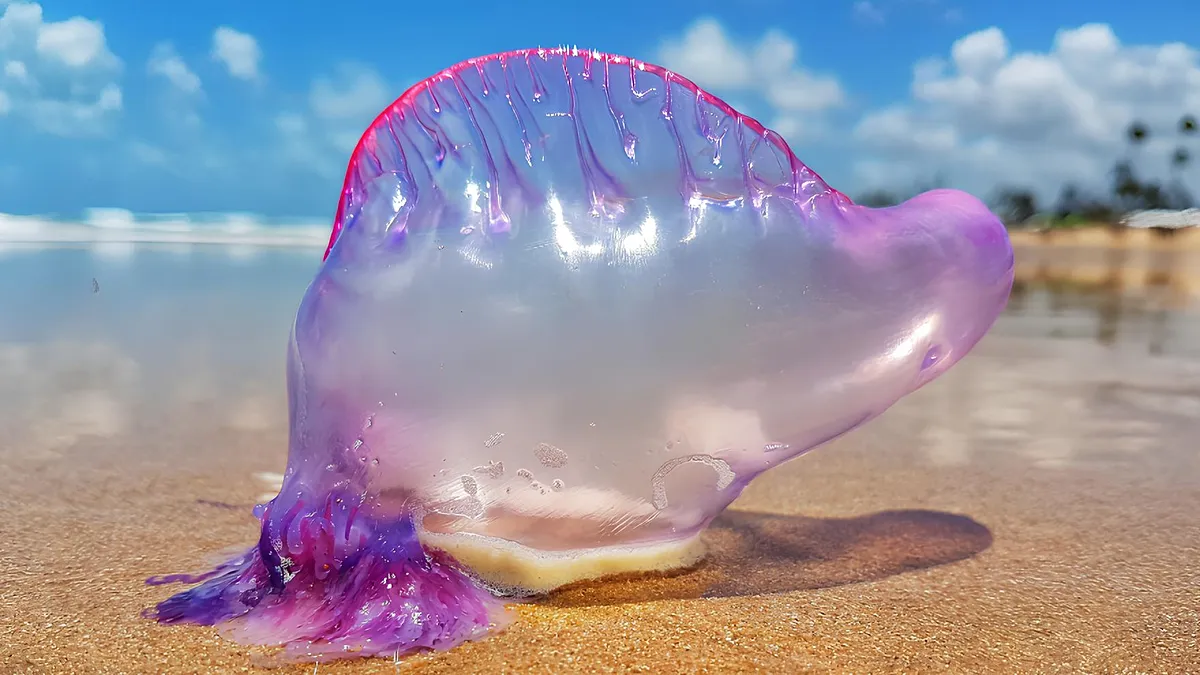
Table of Contents
Portuguese Man o’ War Spread in Spain: What You Need to Know This Summer
Poinews.com – The Portuguese man o’ war spread across northern Spain has become a significant concern for beachgoers this summer. Marine authorities have reported a notable increase in the presence of these venomous marine organisms along the Cantabrian coast, particularly in the autonomous communities of Cantabria and the Basque Country. In response to the growing number of incidents, local governments have implemented bathing restrictions and temporarily closed several popular beaches after documenting more than one hundred stings in a single day. Despite the alarming numbers, officials from the San Sebastián city council have reassured the public that most treated individuals suffered only minor injuries, and the total number of incidents remains relatively low when compared to the massive volume of daily swimmers visiting these coastal areas.
The Portuguese man o’ war, scientifically known as Physalia physalis, is frequently mistaken for a jellyfish by beach visitors. However, this fascinating creature is actually a colonial organism composed of multiple specialized polyps working together as a single entity. Its distinctive blue-purple sail-like structure floats on the water surface, while long, translucent tentacles can extend several meters beneath the waves. These tentacles contain thousands of microscopic stinging cells called nematocysts, which are capable of delivering a painful venomous sting upon contact. The appearance of the Portuguese man o’ war has become increasingly common in Spanish waters, prompting health officials to issue warnings and educational campaigns to protect both tourists and local residents.
Recognizing the Danger: Symptoms and First Aid
When stung by a Portuguese man o’ war, victims typically experience intense burning pain at the site of contact, accompanied by red welts, swelling, and sometimes nausea or difficulty breathing in more severe cases. The Basque Government’s Department of Health has issued clear guidelines for anyone who encounters these marine creatures. Their primary recommendation is to leave the water immediately and proceed to the nearest lifeguard post for assistance. If severe symptoms develop—such as chest pain, difficulty breathing, or widespread allergic reactions—seeking immediate medical attention is essential. Health authorities specifically advise against rubbing the affected area, as this can cause additional stinging cells to discharge their venom. Instead, they recommend rinsing the sting with seawater and carefully removing any visible tentacle fragments using tweezers or a gloved hand.
Prevention remains the best strategy during this period of increased Portuguese man o’ war activity. Beachgoers are encouraged to wear protective clothing such as wetsuits or rash guards, which provide a physical barrier against tentacle contact. Additionally, visitors should avoid swimming during early morning and late evening hours when these creatures are more likely to be found near the shore. Lifeguards have been instructed to monitor water conditions closely and post warning signs when concentrations of Portuguese man o’ war are detected. The temporary beach closures in affected areas have proven effective in reducing new incidents while allowing authorities to manage the situation systematically.
Understanding the Seasonal Pattern
The current surge in Portuguese man o’ war sightings is not unprecedented. These colonial organisms typically drift into European waters during warmer months, carried by ocean currents and wind patterns. This year’s particularly strong presence has been attributed to favorable water temperatures and specific atmospheric conditions that have guided larger numbers toward the northern Spanish coastline. Marine biologists note that the Portuguese man o’ war is not inherently dangerous to humans, but their potent venom can cause significant discomfort and, in rare instances, serious allergic reactions. The organisms themselves do not actively hunt or pursue swimmers; rather, they passively float and sting anything that brushes against their tentacles.
Local tourism boards have responded to the situation by providing updated information through their websites and social media channels. Beach visitors are advised to check official sources before heading to the coast, as conditions can change rapidly. The temporary closures have been implemented strategically, targeting specific zones where concentrations are highest, while allowing access to other areas with lower risk levels. This balanced approach has helped maintain tourism activity while ensuring public safety during this period of increased Portuguese man o’ war spread.
Frequently Asked Questions About Portuguese Man o’ War in Spain
Q: Are Portuguese man o’ war dangerous to humans? A: While their sting is painful and can cause significant discomfort, Portuguese man o’ war are generally not life-threatening. Most stings result in minor injuries that heal within a few days. However, individuals with allergies or those experiencing severe reactions should seek medical attention immediately.
Q: Can dead Portuguese man o’ war still sting? A: Yes, even when washed up on the beach or appearing dead, their tentacles retain the ability to sting. Health authorities strongly advise against touching them with bare hands, regardless of their appearance.
Q: Which beaches in Spain are most affected? A: The northern coastal regions, particularly in Cantabria and the Basque Country, have reported the highest concentrations. San Sebastián beaches have been among those temporarily closed during peak activity periods.
Q: How long does the Portuguese man o’ war spread typically last? A: The phenomenon usually occurs during summer months and can extend into early autumn, depending on ocean currents and weather conditions. Monitoring continues throughout the season.
Q: What should I do if I get stung? A: Leave the water immediately, rinse the area with seawater (not fresh water), carefully remove any visible tentacles, and seek assistance from lifeguards or medical professionals if symptoms are severe.
As the summer season progresses, authorities in northern Spain continue to monitor the situation closely. The increased presence of Portuguese man o’ war serves as a reminder of the dynamic nature of marine ecosystems and the importance of staying informed about local conditions. Beach visitors who follow official guidelines and exercise caution can still enjoy Spain’s beautiful coastline while minimizing the risk of unpleasant encounters with these fascinating marine creatures.