Romania shuts off second reactor at Cernavodă NPP amid low water levels on Danube
Romania shuts off second reactor at the Cernavodă nuclear power plant on Thursday, marking a significant disruption to the nation's energy supply. This rare

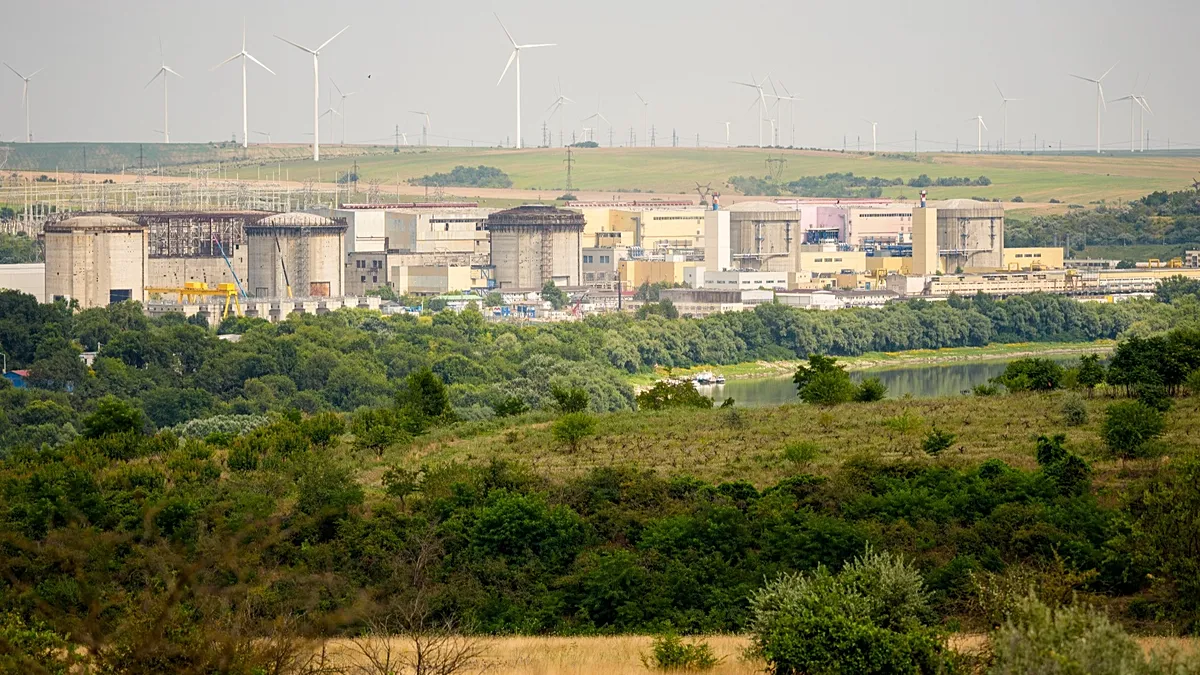
Table of Contents
Romania Shuts Off Second Reactor Amid Danube Drought Crisis
Poinews.com – Romania shuts off second reactor at the Cernavodă nuclear power plant on Thursday, marking a significant disruption to the nation’s energy supply. This rare event comes as severe drought conditions sweep across Europe, with the Danube River reaching historic minimum water levels. The closure represents the second time in recent decades that the facility has gone offline due to dry weather, following a similar incident in 2003. Typically producing one-fifth of Romania’s electricity, the plant saw its first reactor closed last month when water levels dropped below critical thresholds.
Water Diversion Efforts and Grid Management
Plant director Romeo Urjan provided clarity on the timeline for operations:
We do not foresee a restart within the next ten days.
To prevent a complete outage of the two 700-megawatt units, Romanian authorities invested over €2 million in emergency water diversion projects. These measures included detonating a submerged rock formation and sinking four rock-filled barges into the river channel to improve water flow. The energy ministry confirmed that wind energy generation and imported electricity will help balance the national grid during this period. Officials have urged citizens to practice responsible consumption as a precautionary measure. As a final step, major industrial users may face evening curfews to conserve energy during peak demand hours.
Regional Impact and Climate Context
Earlier in August, the Romanian government announced that automotive manufacturers Dacia and Ford would suspend local operations through August 19 to alleviate strain on the power network. According to a Monday report by the European climate change observatory Copernicus, nearly two-thirds of the Danube experienced its lowest July flows in 34 years. Scientists from the World Weather Attribution group noted that human-driven climate change has intensified this drought pattern significantly.
Neighboring Hungary has managed to keep its Paks nuclear plant running, though it has been partially offline since late last month. Prime Minister Péter Magyar directed the building of a submerged wall near the facility, while two 80-meter barges were deployed to boost water levels. Paks typically supplies about a third of Hungary’s electricity. Meanwhile, the Danube—Europe’s second-longest waterway spanning 2,850 kilometers from western Germany to the Black Sea—has seen significant disruptions to maritime traffic.
Long-Term Implications for Energy Security
The current situation highlights vulnerabilities in Europe’s nuclear infrastructure when faced with extreme weather events. Energy experts suggest that Romania may need to reconsider its long-term energy strategy, potentially investing in alternative cooling systems or diversifying its energy mix. The drought conditions are expected to persist through the summer months, with meteorologists warning that water levels could remain below normal until autumn rains arrive.
For more information on Romania’s energy policy and climate adaptation strategies, visit our dedicated coverage section on euronews.com/my-europe/energy.
Frequently Asked Questions
When will the Cernavodă reactor restart?
Based on current projections, plant director Romeo Urjan expects operations to resume within ten days, depending on Danube water levels and weather conditions.
How much electricity does Cernavodă produce?
The plant typically generates one-fifth of Romania’s total electricity through its two 700-megawatt reactors.
What measures are being taken to prevent future closures?
Romania is evaluating long-term solutions including alternative cooling systems and infrastructure improvements to reduce vulnerability to drought conditions.