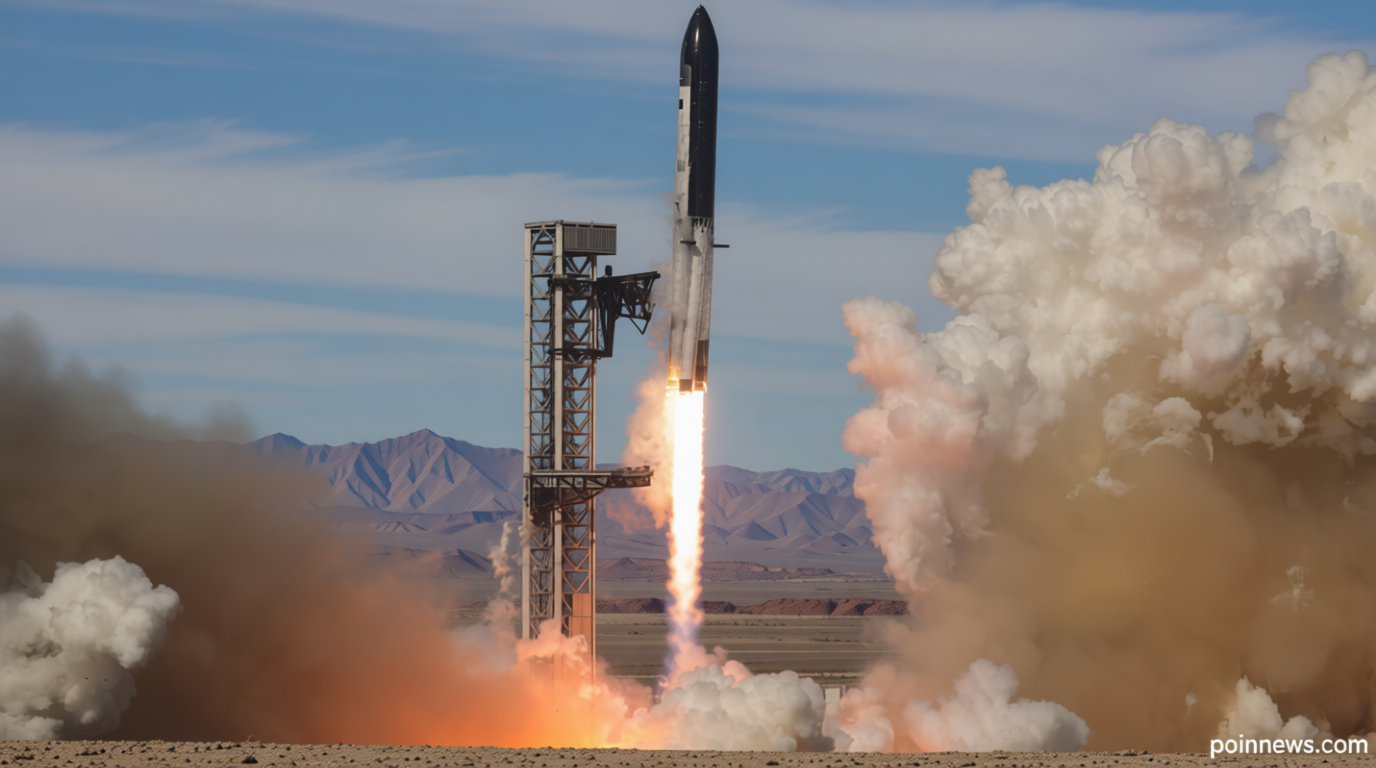
The jet fuel shock wipes out half of the global airline industry’s expected profits
The Jet Fuel Shock Wipes Out Airline Profits The jet fuel shock wipes out half of the global airline industry's projected profits, according to the

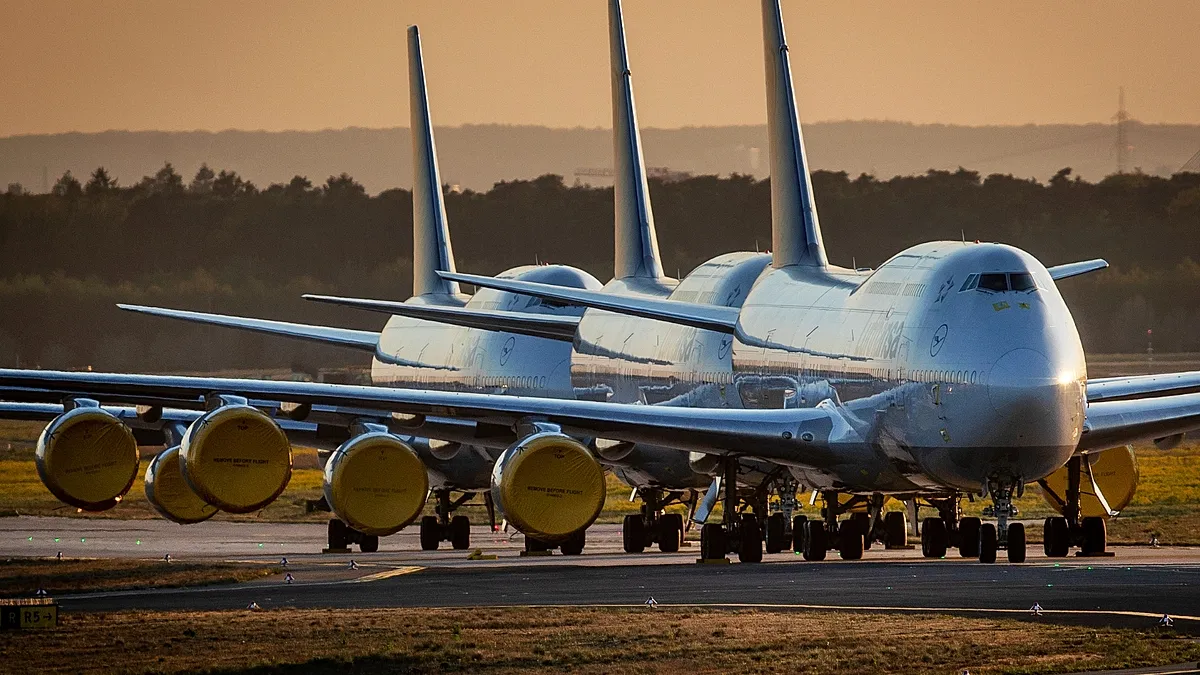
The Jet Fuel Shock Wipes Out Airline Profits
Poinews.com – The jet fuel shock wipes out half of the global airline industry’s projected profits, according to the International Air Transport Association (IATA). With fuel costs soaring, airlines face a significant financial challenge as the trade body’s latest report predicts a 50% drop in net profit for 2026. Despite strong passenger demand, the sector’s ability to maintain profitability is being tested by rising operational expenses, particularly in the wake of ongoing geopolitical tensions and energy market volatility. This crisis is reshaping the landscape of air travel, forcing carriers to reassess their strategies and budgets.
Global Trends and Industry Revenues
The aviation industry recorded a record 5.1 billion passengers in 2026, with a 2.4% year-on-year increase in travel volume. However, this growth has not translated into sustained profit gains. IATA’s financial forecast reveals that combined net profits are expected to fall to $23 billion (€20 billion) in 2026, down from $41 billion (€36 billion) in the previous year. Revenues, on the other hand, are projected to grow by 9.4% to $1.165 trillion (€1.01 trillion), but this increase will be insufficient to counteract the rising costs that have become a major drag on the sector’s bottom line.
“War-related disruptions in the Middle East and surging fuel costs have worsened the outlook for airlines,” said Willie Walsh, IATA’s Director General. He emphasized that the industry’s reliance on volatile fuel markets has created a precarious situation, with airlines struggling to balance rising expenses and stable revenue streams. The report also highlights that fuel expenditure will rise to $350 billion (€304 billion) in 2026, up from $252 billion (€219 billion) in 2025, accounting for nearly a third of total operating costs.
Regional Disparities and Cost Pressures
Regional disparities within the airline industry are becoming more pronounced as the jet fuel shock wipes its impact unevenly across different markets. Gulf carriers, in particular, are expected to suffer the most, with IATA forecasting that many may enter a loss-making phase due to declining demand and heightened operational costs. Meanwhile, carriers in Europe and North America are anticipated to weather the crisis more effectively, though their margins will still shrink significantly.
Europe’s airlines face unique challenges, including a growing dependence on Gulf fuel imports and the expiration of hedging strategies that previously mitigated price volatility. While the industry benefits from passengers opting for direct routes between Europe and Asia, reducing reliance on Gulf hubs, airspace restrictions over Russia and slower economic growth in key markets are complicating recovery efforts. The combination of rising energy prices and inflation further dampens consumer spending, making it harder for airlines to maintain demand.
“While air fares are rising, airlines are still absorbing part of the hike in their bottom lines,” Walsh said. He noted that net profit per passenger is projected to fall to $4.50, half of what it was in 2025. This decline underscores the pressure on carriers to adapt quickly, as even small cost increases can have a disproportionate effect on their financial health. If taxes or other expenses rise further, airlines may struggle to remain competitive in an already strained market.
Industry-Wide Impacts and Recovery Outlook
The jet fuel shock wipes not only on current profits but also on the industry’s long-term recovery trajectory. Airlines are now racing to implement cost-cutting measures, including optimizing flight schedules, reducing fuel consumption through technological upgrades, and exploring alternative fuel sources. However, these strategies come with time and investment, which could delay a full rebound in profitability. The IATA report also highlights that the sector’s financial resilience is being tested by a combination of factors, including global trade slowdowns and environmental regulations.
With the global economy still navigating post-pandemic recovery, the airline industry’s challenges are compounded by inflation and weak consumer confidence. The report warns that without swift action, the sector may face prolonged periods of reduced profitability. In particular, the Middle East’s ongoing conflicts and energy market instability have created a perfect storm for airlines operating in the region, pushing them to the brink of financial strain. Meanwhile, carriers in other parts of the world are adapting, but the industry as a whole remains vulnerable to further shocks.
Strategies for Survival and Future Prospects
As the jet fuel shock wipes its mark on the airline industry, companies are adopting a range of strategies to stabilize their finances. These include renegotiating contracts with suppliers, investing in fuel-efficient aircraft, and leveraging data analytics to improve route planning. Some carriers are also shifting their focus to premium services and ancillary revenue streams, such as baggage fees and onboard sales, to offset declining profit margins. Despite these efforts, the sector faces an uphill battle, as rising costs continue to outpace revenue growth.
The long-term outlook for the airline industry hinges on the stability of fuel prices and the pace of global economic recovery. IATA’s forecast suggests that the sector will see a gradual improvement in 2027, but only if the current cost pressures ease. The report also calls for coordinated international efforts to address supply chain disruptions and energy market volatility, which are key drivers of the crisis. With the focus keyword “the jet fuel shock wipes” woven naturally into the content, the article provides a comprehensive analysis of the challenges and opportunities facing airlines in this turbulent period.