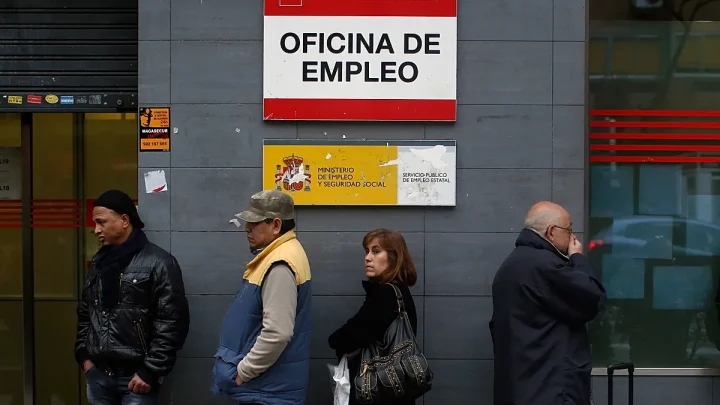
Trump says last minute deal reached with Canada to delay 50% US tariffs on imports from Ottawa
US President Donald Trump announced on Tuesday that he was suspending a planned 50% tariff on roughly $20 billion (€17.27 billion) in Canadian imports, after

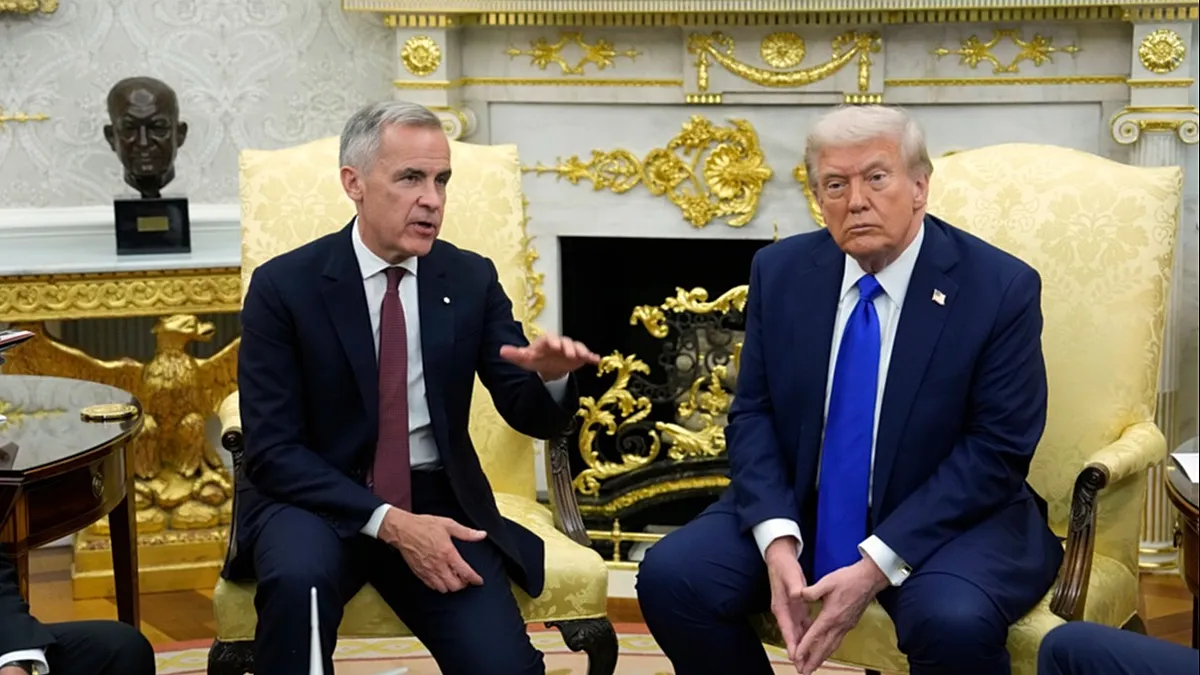
Table of Contents
Trump Pauses 50% Tariff Threat Against Canada in Final-Hour Reprieve
Poinews.com – US President Donald Trump announced on Tuesday that he was suspending a planned 50% tariff on roughly $20 billion (€17.27 billion) in Canadian imports, after Ottawa and Washington struck a last-minute agreement mere hours before the levies were set to activate. The pause, lasting three days, was framed as contingent on both governments completing final documentation.
“I have paused the 50% Tariffs against Canada, that were scheduled to kick in tomorrow morning for a three-day period, based on the fact that Canada and the USA, subject to the finalisation of documents, have a DEAL!”
The post appeared on Truth Social less than two hours before the midnight Wednesday deadline. Had the tariffs activated at 12:01 am as originally scheduled, they would have swept across a wide catalogue of Canadian goods — from hockey sticks to tongue depressors — though the political fallout between the two neighbours would likely have dwarfed the purely economic damage.
Economic Stakes on Both Sides of the Border
The two nations exchanged $880 billion (€760 billion) in goods and services last year, making any escalation a major shock to both economies. Nearly 72% of Canada’s merchandise exports flow into the United States, giving Ottawa little room to absorb a sudden tariff wall. On the American side, importers would bear the initial cost of any new levy, typically passing it through to consumers via higher shelf prices — a prospect that lands poorly ahead of November’s midterm elections amid an already acute cost-of-living squeeze.
Canada had warned it would respond to fresh US tariffs with reciprocal levies of its own, a move that would have deepened an already bitter trade dispute between the historic allies and geographic neighbours.
Diplomatic Back-Channel Pressure
Carney’s office confirmed that Prime Minister Mark Carney and Trump had exchanged two phone calls within the preceding two days, including a conversation on Tuesday afternoon. The frequency of contact underscored how close the two governments came to letting the tariffs trigger automatically.
Ryan Majerus, a partner at King & Spalding and a former US trade official, offered context before the delay was made public:
“I don’t think either side really wants these tariffs to come into effect. There’s a pretty strong push on both sides to find an off-ramp here.”
The Unusual Legal Weapon: Section 338
The tariff threat itself rests on an extraordinarily obscure statute. Seeking another legal avenue after the Supreme Court struck down his earlier broad-based import taxes in February — a ruling that opened the door to refunds for US importers — Trump invoked Section 338 of the Tariff Act of 1930. That provision, enacted nearly a century ago during the collapse of the global economy, authorises the president to impose tariffs of up to 50% on imports from countries deemed to have discriminated against American businesses. No prior investigation is required, and no statutory time limit constrains how long the levies may remain in force.
The products targeted under Section 338 represent roughly 5% of Canadian exports to the United States. The 1930 tariff law, which imposed sweeping duties on imports from around the world, became infamous among economists and historians for choking global commerce and deepening the Great Depression. Section 338’s specific tariff mechanism, however, had never before been deployed.
A Fractured Relationship and the USMCA Renegotiation
Trump’s posture toward Canada represents a sharp break from the traditionally cooperative bilateral relationship. Beyond the tariffs, the Republican president has repeatedly floated inflammatory suggestions about annexing Canada as a 51st US state, while framing tariffs as the centrepiece of his second-term economic agenda aimed at repatriating manufacturing.
Washington is simultaneously renegotiating the US-Mexico-Canada Agreement, the North American trade pact that Trump strong-armed his neighbours into accepting during his first presidential term. The looming Section 338 threat supplies additional leverage for the US side to press for fresh concessions from Ottawa in those talks.
Related Reading
Frequently Asked Questions
What is Trump says last minute deal reached?
Trump says last minute deal reached is the main topic of this guide. The article explains the context, practical details, and next steps readers should understand.
Why does Trump says last minute deal reached matter?
Trump says last minute deal reached matters because readers are looking for a useful answer, not just a short summary. Good content should match search intent and help them decide what to do next.