Assumption Day: Greece prepares to celebrate its summer ‘Easter’ this weekend
Assumption Day marks one of the most significant religious and cultural celebrations in Greece, as communities across the country prepare to honor the Feast

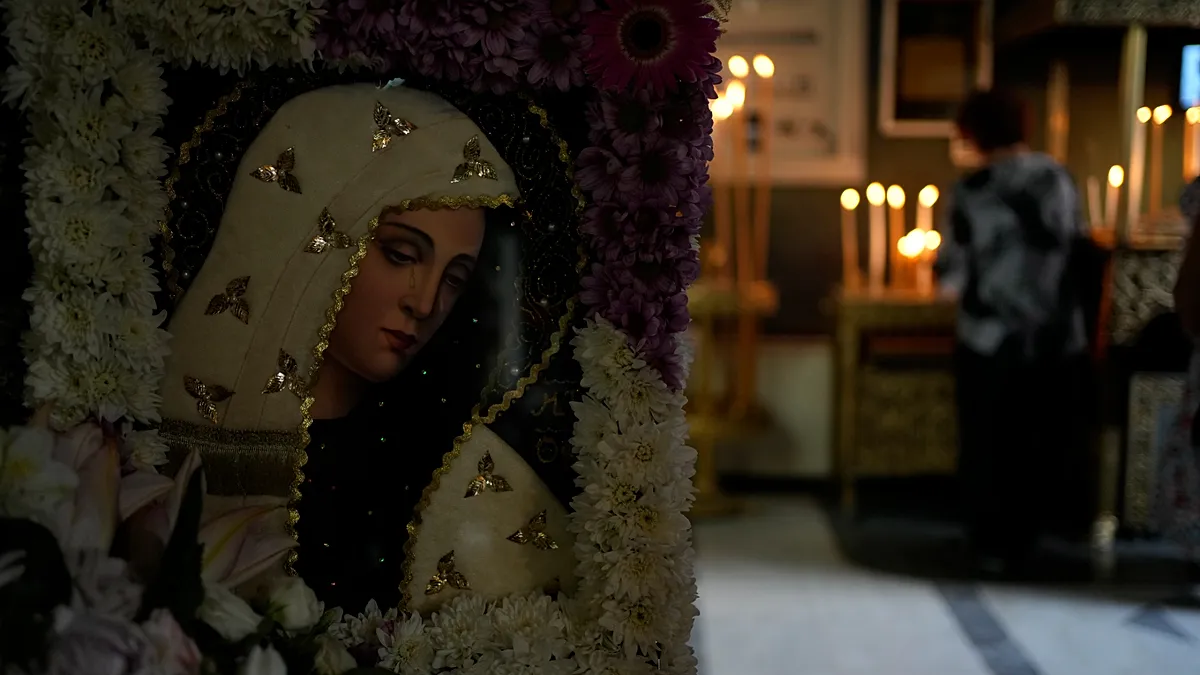
Table of Contents
Assumption Day: Greece Celebrates Summer Easter on August 15
Poinews.com – Assumption Day marks one of the most significant religious and cultural celebrations in Greece, as communities across the country prepare to honor the Feast of the Dormition of the Virgin Mary. This weekend of Saturday, 15 August, will see Greeks from the alleyways of Tinos, the villages of Kefalonia, Siatista, and the mountains of Epirus donning their festive attire for a day of deep spiritual meaning and communal joy. Assumption Day stands as both a cornerstone of Orthodox Christian tradition and a vibrant summer gathering that brings together faith, family, and centuries-old customs.
For countless Greeks, Assumption Day represents more than a religious observance—it is a homecoming. Families reunite in their ancestral villages, participating in festivals that have endured for generations. The island of Tinos serves as the spiritual heart of these celebrations, drawing thousands of pilgrims annually who come to venerate the Virgin Mary and fulfill personal vows. The moving image of worshippers crawling on their knees along the path to the Church of Panagia Evangelistria remains one of the most iconic symbols of Assumption Day in Greece.
Unique Traditions Across Greek Regions
Each region celebrates Assumption Day with distinctive customs that reflect local identity and devotion. In Kefalonia, particularly in the villages of Markopoulo and Arginia, an extraordinary phenomenon occurs: small snakes appear within churches during the feast days. While this has generated considerable discussion, locals view these creatures—known as the “little snakes of the Virgin Mary”—as auspicious signs bringing blessings and prosperity for the coming year.
Meanwhile, in Astypalaia, Assumption Day extends beyond sacred rituals into lively folk celebrations. In Pera Gialos, the “Koukania” transforms the day into an exuberant community festival featuring games, competitions, and lighthearted contests such as blindfolded yoghurt feeding. These activities remind participants that 15 August balances reverence with revelry.
In Siatista, the celebration takes on a dynamic character through the famous horsemen who revive an ancient tradition. Pilgrims ride decorated horses to the monastery of Mikrokastro, creating a spectacular procession. Upon returning to Siatista, streets and squares resonate with brass instruments, traditional songs, and dancing as the religious atmosphere gradually yields to an expansive communal party.
Further north in Palaiopyrgos within the Ioannina region, the “Ntolia” tradition exemplifies how Assumption Day strengthens social bonds. Central to this custom is the shared table and the symbolic role of the “archontas,” or master of the feast. Through a ritual of exchanging glasses with fellow diners, participants signal the beginning of celebration while simultaneously mending old rifts and restoring harmony within the community.
“Assumption Day is perhaps one of the most emblematic moments of the Greek summer, precisely because it effectively combines a religious feeling with social life.” — Local tradition
Why Assumption Day Matters Today
After church services conclude, squares across Greece fill with tables, music, and people of all ages. Residents welcome visitors, younger generations reconnect with customs passed down through time, and elders reaffirm their role as guardians of traditions that refuse to fade. Assumption Day continues to serve as a vital link between past and present, offering both spiritual nourishment and communal belonging.
For those planning to experience Assumption Day firsthand, many villages offer accommodation and local events that welcome travelers. Whether attending the solemn processions in Tinos or joining the festive gatherings in Siatista, visitors gain insight into the enduring spirit of Greek Orthodox culture.
Frequently Asked Questions About Assumption Day
When is Assumption Day celebrated in Greece? Assumption Day falls on August 15 each year, commemorating the Dormition of the Virgin Mary according to Orthodox Christian tradition.
What is the most famous Assumption Day celebration in Greece? The celebrations on the island of Tinos are considered the most prominent, particularly the pilgrimage to the Church of Panagia Evangelistria where worshippers make their way on their knees.
What are the “little snakes of the Virgin Mary”? These are small snakes that appear in churches in the Kefalonia villages of Markopoulo and Arginia during Assumption Day, regarded by locals as symbols of blessing and good fortune.
Is Assumption Day a public holiday in Greece? Yes, Assumption Day is a national public holiday in Greece, allowing people to fully participate in religious services and village festivities without work obligations.
What should visitors expect during Assumption Day celebrations? Visitors can expect church services, traditional music, dancing, communal meals, and in some regions, unique customs such as horseback processions or folk competitions. Many villages welcome tourists to join their celebrations.
For more information about Greek cultural celebrations, explore our coverage of Greek culture and traditions on Euronews.