Italy and Kazakhstan celebrate cultural ties in Rome as Holy See embassy opens
Italy and Kazakhstan celebrate cultural ties in Rome as Holy See embassy opens Italy and Kazakhstan celebrate cultural ties - On a vibrant evening in Rome

Italy and Kazakhstan celebrate cultural ties in Rome as Holy See embassy opens
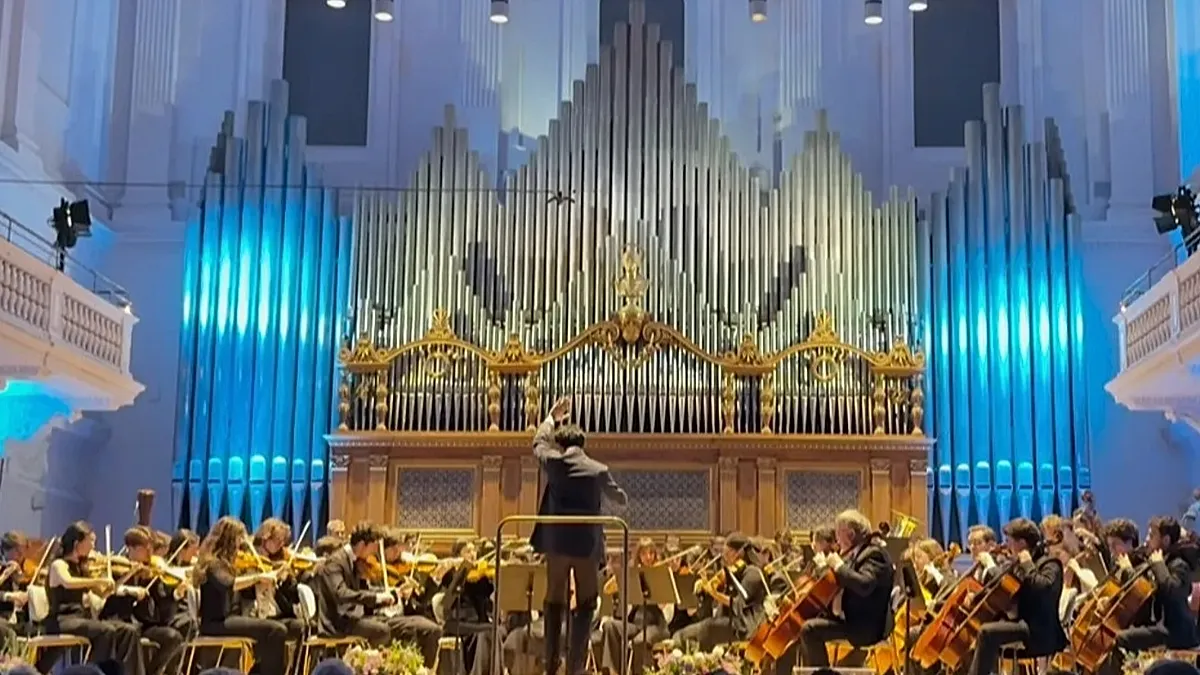
Poinews.com – On a vibrant evening in Rome, the opening of the Holy See’s new embassy marked a significant milestone in the diplomatic and cultural relationship between Italy and Kazakhstan. The event, hosted in the Grand Academic Hall of the Santa Cecilia Conservatory, was a testament to the growing collaboration between the two nations, showcasing a diverse array of musical talents that highlighted their shared appreciation for classical traditions. As the opening ceremony unfolded, a special concert followed, featuring performances by renowned Italian composers and emerging Kazakh artists, blending centuries-old heritage with contemporary creativity.
The concert, a celebration of artistic exchange, included compositions from Giuseppe Verdi and Giacomo Puccini, whose operatic masterpieces have long been staples of Italian classical music. These works were juxtaposed with pieces by Akhmet Zhubanov, a pioneering figure in Kazakh classical music, and Latif Khamidi, a contemporary composer whose recent contributions have gained international recognition. This fusion of cultural influences underscored the mutual respect and evolving dialogue between the two countries, with the event serving as a platform for artists to honor their respective legacies while exploring new artistic frontiers.
Commemorating the 120th anniversary of Akhmet Zhubanov’s birth, the concert paid tribute to his groundbreaking role as Kazakhstan’s first professional conductor. Zhubanov, widely regarded as a foundational architect of Kazakh classical music, laid the groundwork for a national symphonic tradition that continues to thrive today. His legacy was not only honored through the performance of his compositions but also through the presence of his great-grandson, Elmar Buribayev, who took the baton as the evening’s conductor. Buribayev’s leadership added a personal and historical dimension to the event, linking past and present through the language of music.
Among the highlights of the evening was the performance of Zhubanov’s aria for violin and orchestra, delivered by Serbian violinist Ilija Marinković. Marinković’s interpretation of the piece brought a unique perspective to the Kazakh repertoire, demonstrating how international collaborations can enrich and diversify cultural expressions. The selection of works also reflected the strong ties between the two nations, with the concert’s program designed to bridge their musical heritages and foster a deeper understanding of each other’s traditions.
The stage was shared by soloists from Astana Opera and performers from the Santa Cecilia Conservatory, creating a dynamic interplay of voices and instruments. Kazakh soprano Maria Mudryak, who took part in the performance, emphasized the significance of the event in her remarks.
“It was truly a special and unforgettable experience to perform on the stage of the Santa Cecilia Conservatory and represent Kazakhstan at this event,” Mudryak said. “The opportunity to collaborate with such esteemed Italian artists was both humbling and inspiring.”
Her words echoed the broader sentiment of cultural unity, as the evening’s performances brought together talents from two continents, symbolizing a shared commitment to the arts.
Located in the heart of Rome, the Santa Cecilia Conservatory has long been a beacon of musical excellence, attracting artists from across Europe and beyond. The choice of this venue for the concert underscored the importance of Rome as a cultural hub and a historical crossroads, where East and West have repeatedly converged through artistic endeavors. The event also highlighted the growing influence of Kazakhstan on the global music scene, with its classical traditions gaining recognition in Europe and beyond.
As the Holy See’s embassy opened in Rome, the ceremony extended beyond formalities, embracing the artistic and cultural dimensions of international relations. The opening event included not only the concert but also a series of discussions and exhibitions that showcased Kazakh heritage, from traditional crafts to modern visual arts. These activities aimed to deepen the understanding of Kazakh culture among Italian audiences and strengthen the bilateral relationship through creative dialogue.
Kazakhstan’s integration into the global cultural landscape has been a gradual but deliberate process, with the country investing heavily in the arts to promote its national identity. The collaboration with Italy, a country with a rich musical history, exemplifies this strategy. By co-hosting such events, both nations demonstrate their willingness to share resources, knowledge, and artistic visions, creating a framework for sustained cultural engagement.
The concert’s success was a reflection of the broader efforts to build cultural bridges between Italy and Kazakhstan. Over the past decade, these two nations have strengthened their ties through various initiatives, including educational exchanges, joint research projects, and performances that highlight their shared values. The music performed on this occasion served as a metaphor for these connections, with the melodies and harmonies representing the harmonious blending of traditions.
For many Kazakh artists, the opportunity to perform in Italy is a rare and cherished one. The Santa Cecilia Conservatory, known for its rigorous training programs and historic significance, has become a key partner in nurturing Kazakh talent. The concert not only provided a stage for these artists but also symbolized the growing international exposure of Kazakh classical music, which has historically been less prominent on the global stage.
As the night progressed, the audience was treated to a seamless blend of Italian and Kazakh musical styles, with the performances creating a memorable atmosphere that celebrated both nations’ contributions to the world of classical music. The collaboration between the Astana Opera and the Santa Cecilia Conservatory marked a new chapter in their relationship, setting a precedent for future joint projects that could further enrich their cultural exchanges.
The opening of the Holy See embassy in Rome is part of a larger initiative to enhance diplomatic relations with Central Asian countries, a region with which Italy has been cultivating ties for several years. The Holy See, as a neutral yet influential international actor, has played a pivotal role in promoting cultural diplomacy, using artistic events to foster goodwill and mutual understanding. This approach aligns with the broader goal of using the arts as a tool for soft power and global engagement.
The concert’s theme of cultural integration resonated with the audience, who were drawn to the rich tapestry of musical influences on display. From the operatic grandeur of Verdi to the lyrical depth of Zhubanov’s compositions, the evening offered a glimpse into the shared human experience that transcends geographical boundaries. The presence of both Italian and Kazakh musicians underscored the universality of classical music, a language that has historically united people across cultures.
Looking ahead, the collaboration between Italy and Kazakhstan is expected to expand in the coming years, with more opportunities for cultural exchange and artistic collaboration. The success of this event has paved the way for future initiatives that could further strengthen their bonds, whether through music, literature, or visual arts. As the Holy See embassy opens its doors, it becomes a new center for promoting Kazakh culture in Italy, offering a space for dialogue, education, and artistic innovation.
In conclusion, the opening of the Holy See embassy in Rome and the concurrent concert were not just events but milestones in the evolving relationship between Italy and Kazakhstan. By uniting through music, the two nations demonstrated their commitment to fostering cultural ties that go beyond politics, creating a space for creativity, exchange, and mutual appreciation. The evening’s performances will be remembered as a powerful symbol of the shared legacy and future potential of their artistic collaboration.