Three Red Cross volunteers die from suspected Ebola in DR Congo as outbreak continues to spread
Three Red Cross Volunteers Succumb to Suspected Ebola in DR Congo Amid Ongoing Outbreak Three Red Cross volunteers die - On May 24, 2026, the Red Cross

Three Red Cross Volunteers Succumb to Suspected Ebola in DR Congo Amid Ongoing Outbreak
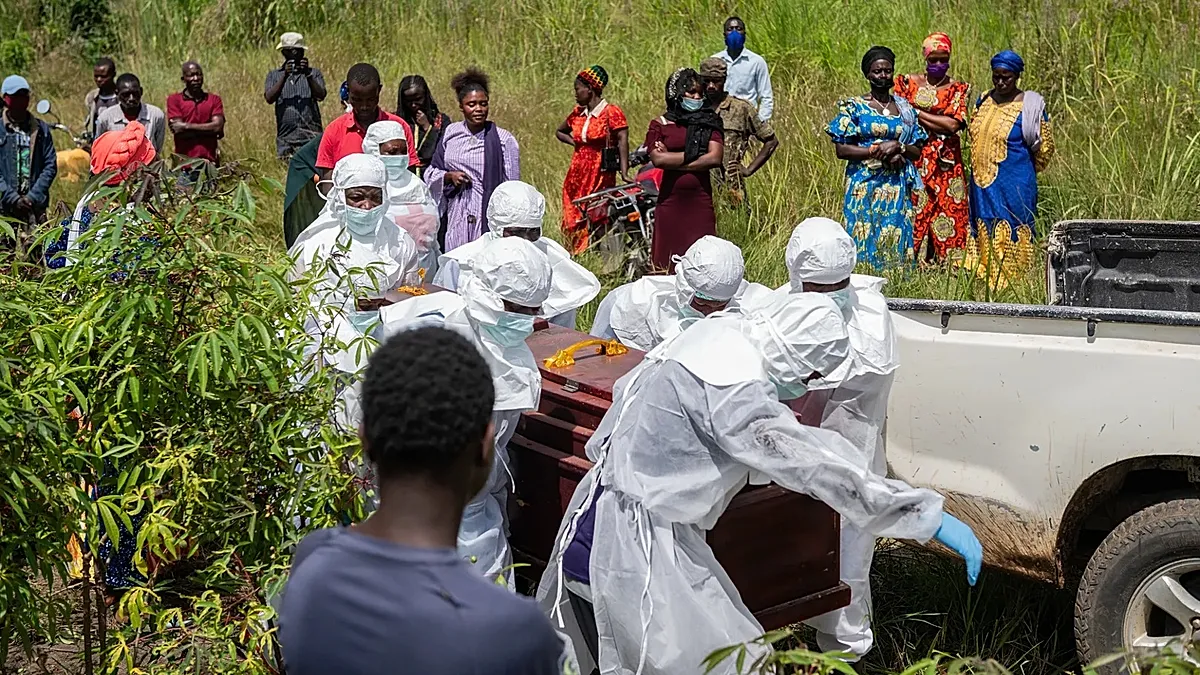
Poinews.com – On May 24, 2026, the Red Cross confirmed the tragic deaths of three of its volunteers in the Democratic Republic of the Congo (DRC), marking a grim milestone in the country’s escalating Ebola crisis. The volunteers, who were working in Ituri Province—a region at the heart of the outbreak—contracted the virus while handling dead bodies during a mission not directly related to the epidemic. This incident has raised concerns about the risks faced by frontline workers as the disease continues to spread across the nation.
Volunteers’ Sacrifice Highlighted in Red Cross Statement
The Red Cross issued a statement on Saturday detailing the circumstances surrounding the fatalities. According to the organization, the three individuals—Alikana Udumusi Augustin, Sezabo Katanabo, and Ajiko Chandiru Viviane—were believed to have become infected while performing their duties in the community. The statement emphasized that the outbreak had not yet been officially recognized at the time of their intervention. “These volunteers lost their lives while serving their communities with courage and humanity,” it noted, underscoring the dedication of those working to combat the crisis.
During the mission, the local population was unaware of the Ebola Virus Disease threat, and the outbreak remained undetected. The volunteers’ efforts to manage dead bodies in the absence of clear knowledge about the virus’s presence underscore the challenges faced by healthcare workers in the region. The incident adds to the growing list of casualties attributed to the rare Bundibugyo strain, which has been driving the current epidemic. This strain, less commonly known than the Zaire variant, has proven difficult to contain due to its lower transmissibility and delayed symptom onset.
WHO Responds to Volunteers’ Deaths
Tedros Adhanom Ghebreyesus, director-general of the World Health Organization (WHO), expressed deep condolences for the volunteers’ passing. In a post on X, he described their deaths as “the ultimate price on the line of duty,” praising their commitment to public service. “Early identification of cases and timely treatment save lives and are key to bringing this outbreak under control,” he wrote, stressing the importance of rapid response measures. Additionally, he highlighted the necessity of “safe and dignified burials” in preventing further transmission of the virus.
The WHO’s assessment of the outbreak was updated on Friday, revealing that 82 confirmed cases had been reported in the DRC, with seven deaths. However, the organization warned that the actual scale of the epidemic was likely far greater, citing approximately 750 suspected cases and 177 suspected deaths. The DRC’s Ministry of Communication and Media provided its own figures, stating 204 suspected deaths as of Friday, which aligns with the broader trend of underreporting in the early stages of the outbreak.
Outbreak Spreads Beyond DR Congo to Uganda
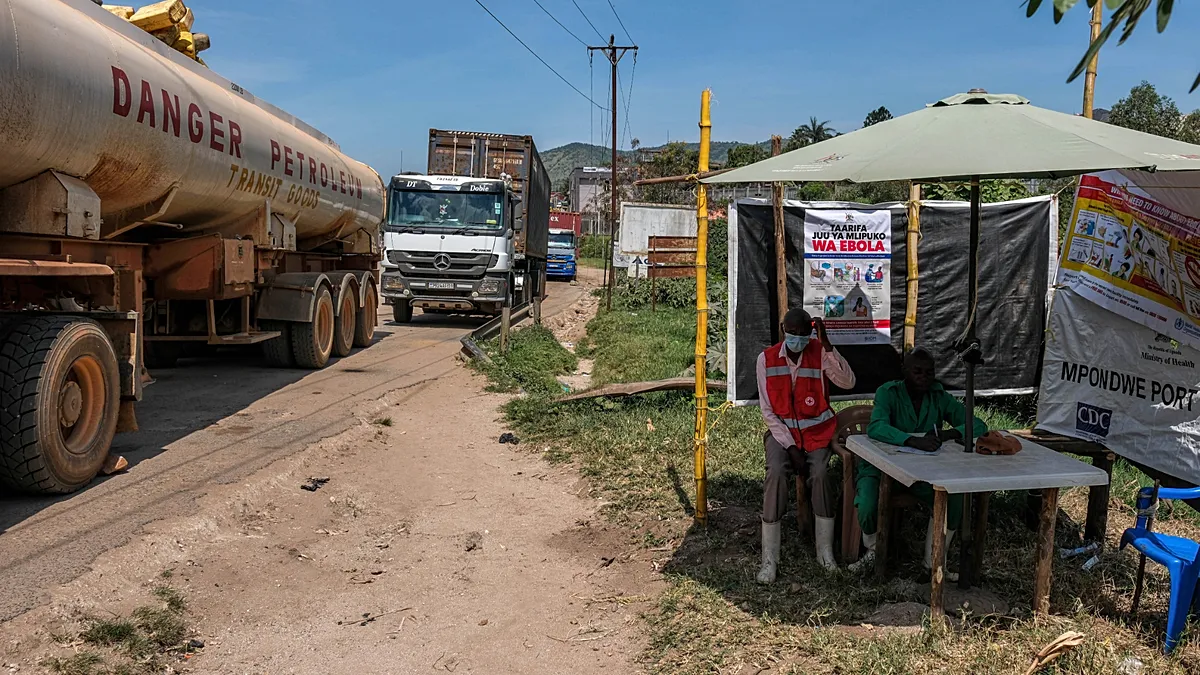
The Ebola outbreak has not been confined to the DRC. Neighboring Uganda has also experienced a surge in cases, with three additional confirmed infections reported on Saturday. This brings the total number of positive cases in the East African nation to five, according to the WHO. The spread of the virus across borders has intensified calls for regional collaboration in containment efforts. Health officials are now working to establish a unified strategy to monitor and manage the epidemic’s expansion.
Earlier in the week, the WHO elevated the public health risk level for the DRC’s outbreak from “high” to “very high,” while maintaining that the global risk of the disease remains “low.” This decision reflects the urgency of the situation, as the Bundibugyo virus has been spreading in areas with limited healthcare infrastructure. The rare strain’s ability to infect individuals before symptoms become severe has complicated containment efforts, leading to increased community transmission and a higher number of undiagnosed cases.
Understanding the Scope of the Epidemic
The current outbreak in the DRC represents one of the most significant challenges in recent years. With 750 suspected cases and 177 suspected deaths, the number of affected individuals could be double the officially confirmed figures. The WHO’s data suggests that the outbreak may be in its early phases, with many cases yet to be identified. This highlights the critical role of community engagement and local health systems in detecting and responding to the disease.
Health workers in Ituri Province are now facing a dual burden: managing the outbreak while also ensuring safe burial practices to reduce the risk of transmission. The Red Cross volunteers’ deaths have served as a stark reminder of the dangers associated with handling infected bodies. In the absence of immediate awareness, their work exposed them to the virus, which spreads through direct contact with bodily fluids. This underscores the importance of training and protective measures for those working in high-risk environments.
Global Efforts to Contain the Spread
International agencies and local governments are intensifying their response to the outbreak. Mobile testing units have been deployed to remote areas to identify cases more quickly, and treatment centers are being expanded to accommodate the rising number of patients. Vaccination campaigns, though still in progress, have been prioritized in regions with the highest case counts. Scientists are also studying the Bundibugyo virus to develop targeted interventions, as its characteristics differ from the more common Zaire strain.
While the DRC remains the epicenter, the spread to Uganda indicates the potential for cross-border transmission. Health officials in both countries are coordinating efforts to track cases and implement quarantine protocols. This collaboration is vital, as the virus can cross regional boundaries, especially in areas with frequent human and animal movement. The WHO’s warning about the “very high” risk in the DRC has prompted increased funding and support from global health partners, aiming to strengthen local capacity to respond to the crisis.
Historical Context of Ebola
First identified in 1976, Ebola is a severe and often fatal illness caused by the Ebola virus. The disease, which primarily affects humans and animals, is characterized by symptoms such as fever, weakness, diarrhoea, and vomiting. In severe cases, it can lead to organ failure and hemorrhagic symptoms, making it highly dangerous for those infected. The virus’s incubation period typically ranges from 2 to 21 days, which allows it to spread unnoticed in communities.
Historically, outbreaks have been linked to contact with infected animals, such as bats and monkeys, before spreading to humans. However, in recent years, human-to-human transmission has become a major driver of the epidemic, especially in regions with limited access to medical care. The Bundibugyo strain, responsible for the current outbreak, has been associated with smaller-scale epidemics, but its presence in the DRC has raised fears of a larger-scale crisis. Scientists continue to monitor the virus’s evolution, as mutations could affect its transmissibility and mortality rate.
As the situation evolves, the focus remains on protecting vulnerable communities and ensuring that those at risk receive timely care. The loss of the three Red Cross volunteers has reinforced the need for better protective equipment and training for frontline workers. With the outbreak expanding and the global health community mobilizing, the fight against Ebola in the DRC is entering a critical phase. The hope is that these efforts will ultimately curb the spread and prevent further tragedies.