Around 25,000 migrants returned to Morocco after mass border crossing into Ceuta
Around 25 000 migrants returned to Morocco after a massive wave of border crossings into the Spanish enclave of Ceuta, marking one of the largest single-day

Around 25 000 migrants returned to Morocco following historic Ceuta crossing
Poinews.com – Around 25 000 migrants returned to Morocco after a massive wave of border crossings into the Spanish enclave of Ceuta, marking one of the largest single-day migrations in recent European history. According to Spain’s Interior Ministry, as reported by local media outlets, nearly half of the approximately 60,000 migrants who entered the territory since the early hours of Friday have already made their way back across the border. This preliminary estimate, which covers the period up to 1 p.m. local time on Friday, is expected to rise further as return operations continue throughout the weekend.
Humanitarian crisis unfolds in Ceuta
The unprecedented influx has created significant challenges for both Spanish authorities and humanitarian organizations operating in the autonomous city. Ceuta, with a resident population of just under 83,000 people, found itself suddenly hosting tens of thousands of newcomers. Local reports indicate that at least 34 individuals lost their lives while attempting the perilous swim from Morocco to Ceuta, highlighting the dangers faced by those seeking entry. These latest arrivals compound an already difficult situation, as the enclave had previously received between 1,500 and 2,000 migrants in the days leading up to the mass crossing event.
Emergency response measures were swiftly implemented as the scale of the migration became apparent. Spain and Morocco concluded an agreement on Thursday specifically designed to accelerate the return process for migrants who entered the enclave through irregular channels. The Spanish government responded by deploying military personnel to reinforce security operations in Ceuta, ensuring better coordination between border control and humanitarian assistance efforts.
“The outcome will be return, in accordance with Spanish law,” officials emphasized as return operations intensified.
Prime Minister Pedro Sánchez personally traveled to Ceuta on Friday to assess the situation firsthand, accompanied by Interior Minister Fernando Grande-Marlaska. Speaking directly from the enclave, Sánchez characterized the mass crossings as “a violation of Spain’s territorial integrity” and stated that such actions “deserve our strongest condemnation.” The political response reflected both the urgency of the situation and Spain’s commitment to maintaining orderly migration management.
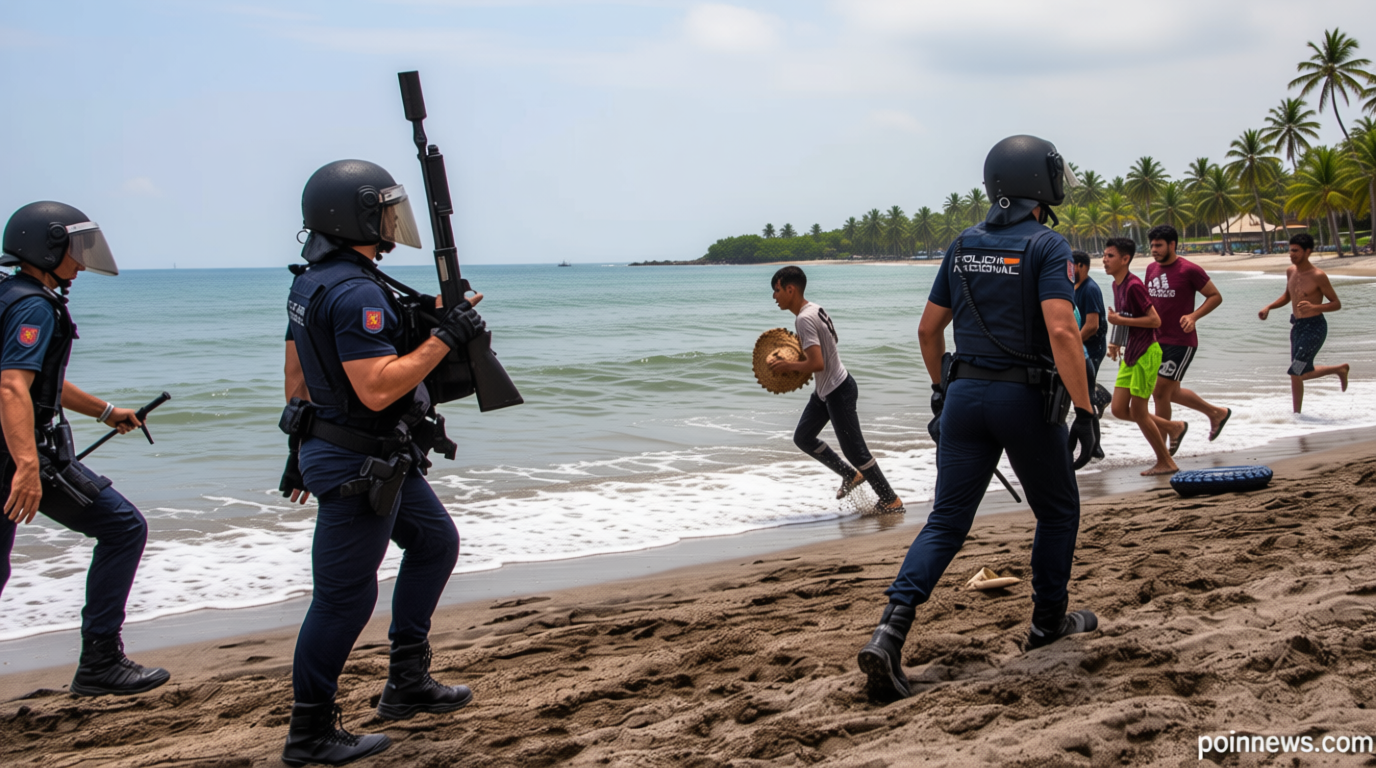
Defence Minister Margarita Robles joined the government’s messaging campaign, urging migrants not to be misled by trafficking networks. Her statement came as overnight clashes erupted between Moroccan police forces and hundreds of individuals who refused to abandon their attempts to reach Ceuta. Despite the returns, many migrants continued trying to enter the Spanish enclave on Friday, with some swimming around the Tarajal breakwater near the main border crossing point between Morocco and Ceuta.
The situation in Ceuta represents a critical moment for European migration policy, as authorities work to balance humanitarian concerns with border security. With the return of around 25 000 migrants to Morocco, the focus now shifts to understanding the root causes of this mass movement and developing sustainable solutions for the future. The coordinated efforts between Spain and Morocco, combined with military support and diplomatic agreements, demonstrate a comprehensive approach to managing this historic migration event.