Explainer: What is people smuggling – and why are EU rules to fight it still stalled?
Following the dramatic border crossing at Ceuta, where over 70,000 non-EU citizens entered the Spanish enclave within a single day, EU migration chief Magnus

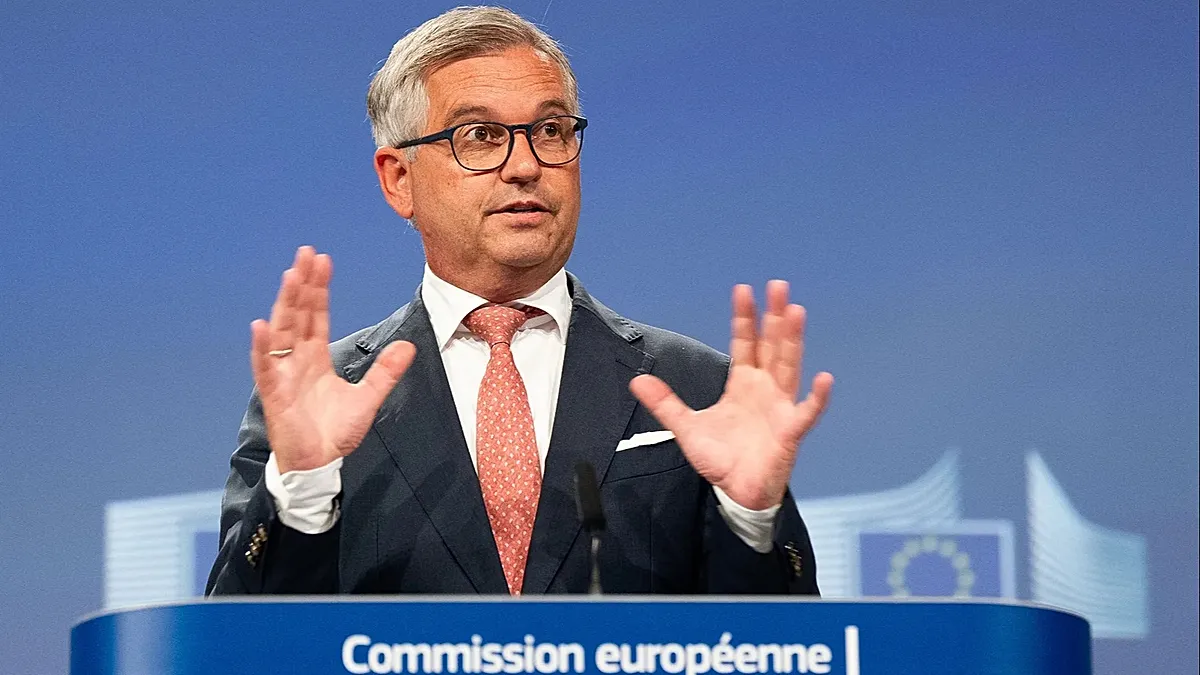
Table of Contents
Explainer: EU People Smuggling Rules Stalled
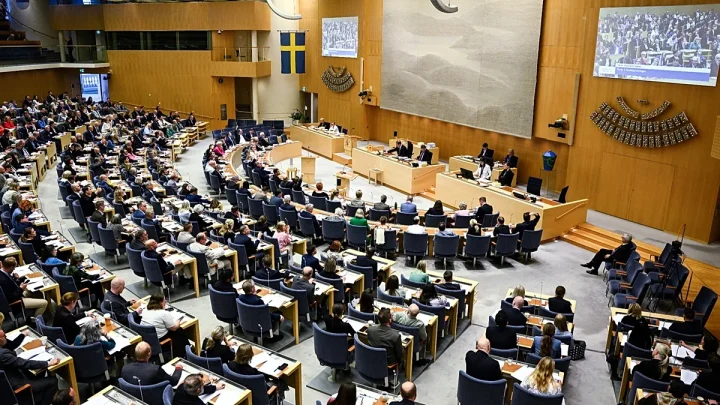
Poinews.com – Following the dramatic border crossing at Ceuta, where over 70,000 non-EU citizens entered the Spanish enclave within a single day, EU migration chief Magnus Brunner has renewed his appeal to Members of the European Parliament. He emphasized that adopting the long-delayed directive could prevent future migration emergencies. During his Thursday address at an extraordinary parliamentary committee session in Brussels, Brunner highlighted how the recent events demonstrated that certain actors disregard human safety and even lives.
“We cannot accept such a breach of integrity of our external borders and violation also of the security of of the Union – and in that regard, the impact of criminal smuggling networks, both on people’s lives and also on our security, of course.”
The gathering included Juan Jesús Vivas Lara, who serves as Mayor-President of Ceuta, alongside Brunner. While investigations continue into what triggered the unprecedented movement, Spanish Prime Minister Pedro Sánchez has placed blame squarely on people smugglers. He stated that these operators deceive countless young individuals and ultimately lead many of them to their deaths.
Understanding Migrant Smuggling Operations
Migrant smuggling refers to the unlawful assistance provided for border crossings in exchange for financial gain. This practice typically emerges when individuals lack access to standard migration pathways, allowing both independent operators and criminal organizations to profit. Although smuggling centers on international border crossings, those transported may subsequently become victims of human trafficking if exploited through coercion, deception, or forced labor within a destination country.
Smuggling networks vary considerably in organization, ranging from casual, informal collectives to structured, hierarchical systems—particularly throughout North Africa. The enterprise remains exceptionally lucrative, partly because operators encounter minimal risk of detection or prosecution. Organizers frequently avoid hands-on participation and may reside in nations entirely separate from the routes they coordinate.
For instance, Italian authorities have concentrated their efforts on prosecuting boat pilots arriving in Italy, contending these individuals belong to broader smuggling networks. Civil society organizations, however, regularly note that vessel crews typically consist of migrants compelled to navigate by other smugglers unwilling to undertake the voyage themselves.
Legal Framework and Proposed Reforms
“That is simply unacceptable,” Brunner said. “I call [on] the Parliament to adopt its position [on] the anti-smuggling directive proposed by the European Commission almost three years ago.”
Corruption frequently facilitates smuggling activities, particularly through bribery of customs and border personnel. In France, individuals convicted of human smuggling face imprisonment terms of up to five years alongside fines reaching €30,000. Penalties intensify when additional serious offenses occur, such as participation in organized crime or instances of violence and exploitation.
Eurostat records indicate that 2,599 smugglers received convictions throughout Europe during 2024, though numerous others likely evaded capture or formal charges. In November 2023, the European Commission introduced proposals to modernize EU regulations governing irregular migration facilitation. This initiative forms part of a comprehensive anti-smuggling strategy designed to strengthen EU agencies like Europol within law enforcement operations.
The overarching objectives include prosecuting criminal networks responsible for migrant smuggling, standardizing penalties across member states, extending jurisdictional authority, and enhancing information gathering and reporting mechanisms. Presently, anti-smuggling regulations remain predominantly national in scope. Since smugglers operate transnationally—including in non-EU territories—prosecuting networks and individual cases frequently proves inefficient.
Member states have suggested establishing a maximum three-year prison term for core offenses, escalating to ten years when individuals face serious endangerment or death. In non-EU nations particularly, people smugglers and traffickers—who additionally exploit migrants through forced and degrading labor—often occupy positions within government authorities, as evidenced in North African nations including Libya.
Some migrants interviewed by the New York Times regarding the Ceuta incident reported that Moroccan authorities had actively encouraged their border crossing into the enclave. Authorities continue examining these claims.
Member states have also proposed harmonizing legal definitions of smuggling offenses to ensure consistent prosecution across borders. This Explainer highlights that without unified EU legislation, enforcement remains fragmented and less effective against transnational criminal networks.
FAQ: People Smuggling and EU Response
What is the difference between people smuggling and human trafficking? People smuggling involves facilitating illegal border crossings for financial gain, while human trafficking involves exploitation through coercion, deception, or forced labor. Smugglers typically transport migrants once, whereas traffickers may exploit victims over extended periods.
Why are EU anti-smuggling rules still stalled? The European Commission proposed reforms in November 2023, but member states have yet to reach consensus on key provisions including standardized penalties and extended jurisdictional authority. Political disagreements and differing national priorities have delayed adoption.
What penalties do EU countries currently impose for smuggling? Penalties vary significantly. In France, convictions carry up to five years imprisonment and fines of €30,000. Member states have proposed harmonizing these to a maximum three-year term for core offenses, rising to ten years for serious cases involving endangerment or death.
How does corruption affect smuggling operations? Corruption facilitates smuggling through bribery of customs and border personnel. In some North African nations, people smugglers and traffickers hold positions within government authorities, enabling smoother operations and reduced enforcement.
What role does Europol play in combating smuggling? Europol is being strengthened under the proposed EU strategy to enhance cross-border law enforcement cooperation. The agency supports information sharing, joint investigations, and coordinated operations against transnational smuggling networks.