Extreme weather and jellyfish knock one-fifth of France’s nuclear capacity offline
Extreme weather and jellyfish knock one-fifth of France's nuclear power capacity offline on Wednesday, marking a record deficit caused by

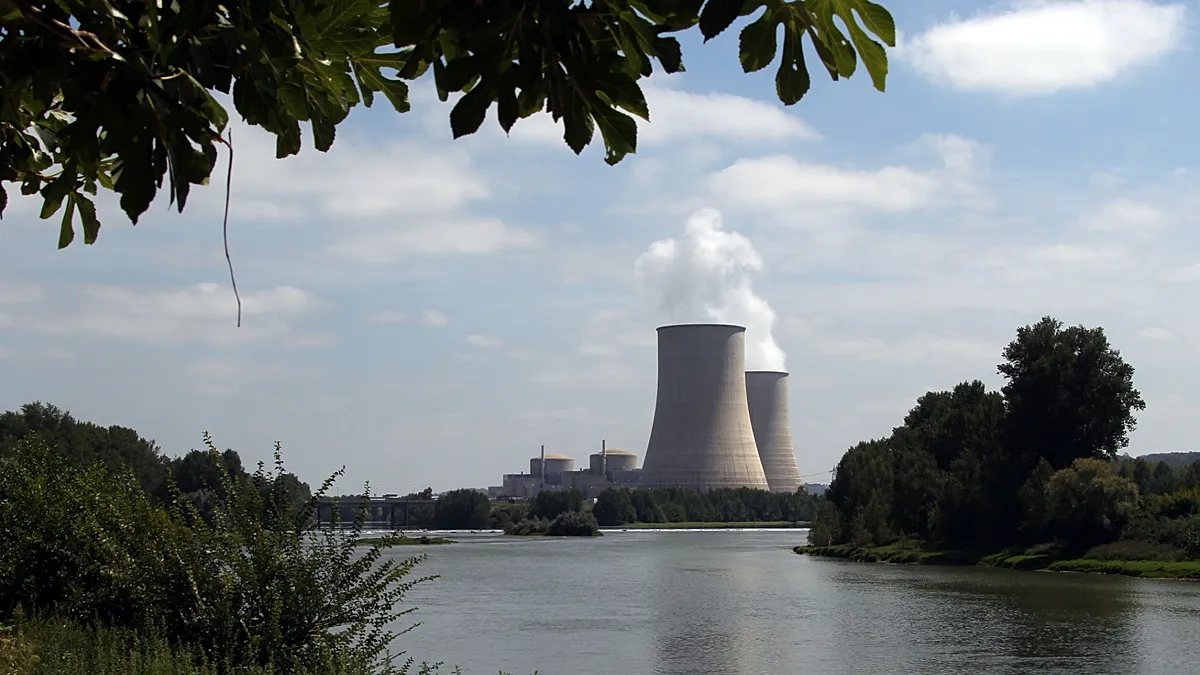
Table of Contents
Extreme Weather and Jellyfish Knock France’s Nuclear Capacity Offline
Poinews.com – Extreme weather and jellyfish knock one-fifth of France’s nuclear power capacity offline on Wednesday, marking a record deficit caused by environmental-related outages. The country, which relies on nuclear power for approximately 70% of its electricity, experienced a 20.4% shortfall in generating capacity due to a combination of drought, extreme heat, and an unprecedented jellyfish invasion. This event highlights the growing vulnerability of critical infrastructure to climate change and environmental factors.
Record-Breaking Outages Across the Nuclear Fleet
According to AFP calculations based on data published by energy group EDF since 2015, the outage peak occurred between 9:45 am and 10:00 am. During this window, EDF’s nuclear fleet recorded new highs in outages attributed to “environmental constraints” or “external environmental causes.” A total of 13 reactors out of the 57 in EDF’s fleet were affected, with eight completely shut down and five operating at reduced power levels.
The Gravelines nuclear power plant, the largest in Western Europe, bore the brunt of the jellyfish-related disruptions. A massive swarm of jellyfish clogged the cooling pumps at five of the six reactors at the facility. Experts attribute this phenomenon to overfishing, plastic pollution, and warming seas caused by climate change, all of which have created ideal conditions for jellyfish to thrive and reproduce in unprecedented numbers.
Climate Change Impacts on Nuclear Operations
Outside of Gravelines, the shutdowns and production reductions at other reactors stem primarily from extreme heat and drought conditions. These environmental factors deprive nuclear plants of the water necessary for cooling operations. During periods of drought or heatwave, lower river flow rates combined with higher water temperatures force EDF to reduce or completely halt production to protect aquatic ecosystems and biodiversity.
“But there is enough leeway that this does not pose any supply problems in the short term,” said Nicolas Goldberg, an energy expert at consultancy Colombus Consulting, as quoted by CNews.
The operator faces challenges in discharging chemical or radioactive effluents while also managing the temperature of cooling water returned to rivers. This delicate balance between energy production and environmental protection becomes increasingly difficult as climate extremes become more frequent and severe.
Looking Ahead: Adaptation and Resilience
France’s experience this year is not isolated. The country has witnessed multiple heatwaves and droughts disrupting nuclear power production throughout 2026. As global temperatures continue to rise, nuclear facilities worldwide may face similar challenges. The combination of jellyfish invasions and extreme weather events demonstrates how interconnected environmental systems are and how disruptions in one area can cascade through critical infrastructure.
EDF and other energy operators are likely to invest in adaptive measures, including improved cooling systems, enhanced monitoring of marine life, and better forecasting tools to anticipate environmental disruptions. These investments will be crucial for maintaining energy security as climate change accelerates.
Frequently Asked Questions
How much of France’s electricity comes from nuclear power?
France generates approximately 70% of its electricity from nuclear power, making it one of the most nuclear-dependent countries in the world.
What caused the jellyfish invasion at Gravelines?
Experts attribute the jellyfish surge to overfishing, plastic pollution, and warming seas due to climate change, which have created favorable conditions for jellyfish reproduction and survival.
Will this affect electricity supply to French consumers?
According to energy experts, the current situation does not pose immediate supply problems for consumers, though it highlights potential vulnerabilities in the system.
How many reactors were affected during the peak outage?
During the peak outage between 9:45 am and 10:00 am, 13 out of 57 reactors in EDF’s nuclear fleet were affected, with eight completely shut down and five operating at reduced capacity.
For more information on energy and climate topics, visit Euronews My Europe.