Breaking news. Exit polls show Merz’s party suffering heavy losses in 2 German state elections
News exit polls show Merz facing a difficult night after projections indicated heavy losses for his Christian Democratic Union in elections in

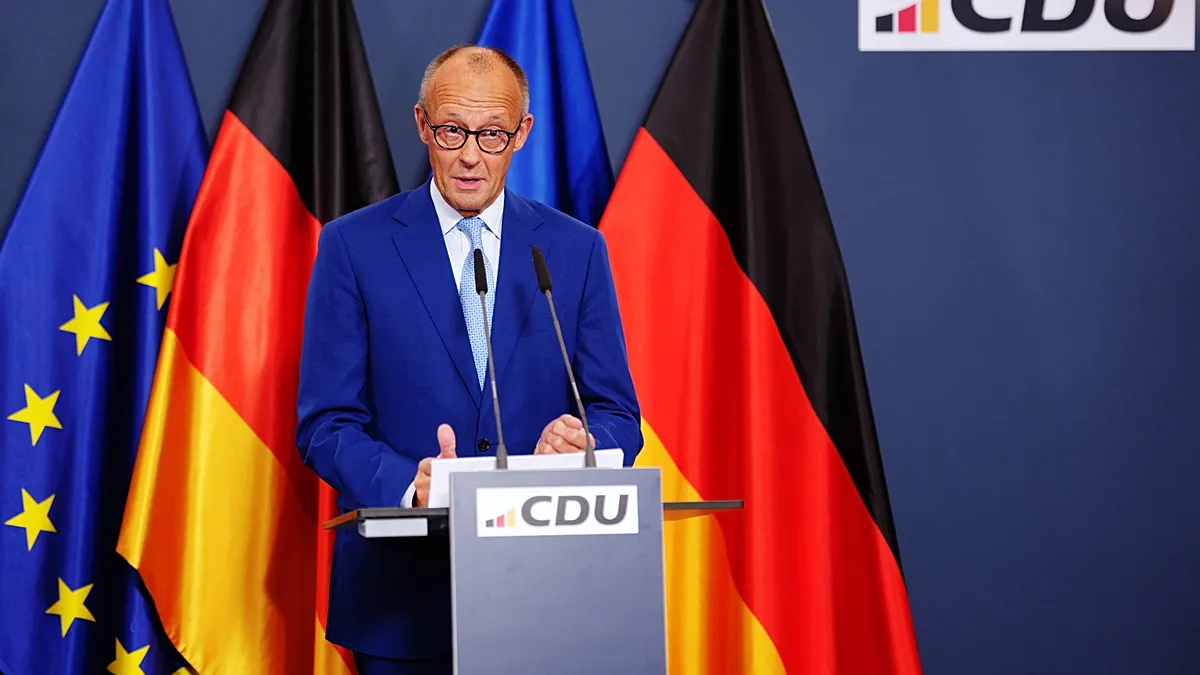
Table of Contents
News: Exit Polls Show Merz Facing CDU Losses
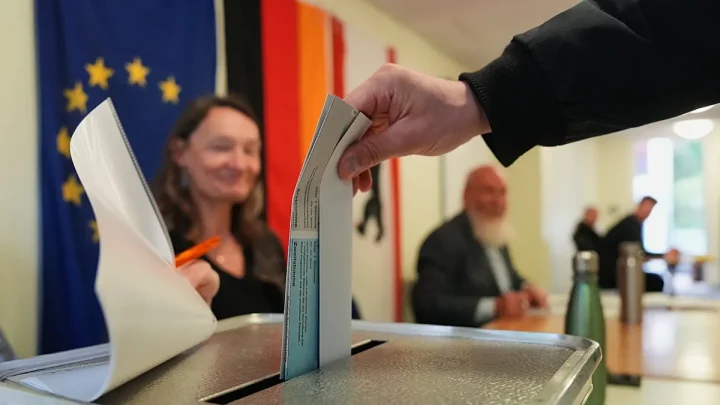
Poinews.com – News exit polls show Merz facing a difficult night after projections indicated heavy losses for his Christian Democratic Union in elections in Mecklenburg-Western Pomerania and Berlin. The early results put fresh pressure on the German chancellor 16 months after he took office.
CDU faces historic low in Mecklenburg-Western Pomerania
In the mainly rural northeastern state of Mecklenburg-Western Pomerania, the CDU was projected to win 5.5% of the vote. If confirmed, it would be the party’s worst result there since the end of the Second World War.
The result highlights the CDU’s declining standing in parts of eastern Germany, where the political landscape has become increasingly fragmented. The far-right Alternative for Germany has expanded its support in the region, creating a major challenge for established centre-right parties.
State elections are closely watched as indicators of national political sentiment. For Merz, the projected result suggests his party is struggling to regain support among voters who are dissatisfied with the direction of federal politics.
Berlin projection places CDU behind the Left Party
In Berlin, exit polling put the CDU in second place with 20% of the vote. The Left Party was projected to lead with 24.5%, giving it a clear advantage over Merz’s party in the capital.
Berlin and Mecklenburg-Western Pomerania have very different electorates, economies and political traditions. Nevertheless, the projected results point to a shared problem for the CDU: voters in both an urban city-state and a rural eastern region appear to be turning to other parties.
The news exit polls show Merz confronting a wider challenge for Germany’s mainstream parties. Competition from parties outside the traditional governing blocs has intensified as voters respond to concerns about the economy, housing, public services and political dissatisfaction.
AfD gains add to pressure on the chancellor
The Alternative for Germany also made notable advances in the regional elections. Its performance followed a vote two weeks earlier in Saxony-Anhalt, where the party came close to winning an outright majority.
That result marked the AfD’s strongest opportunity so far to lead Germany’s first far-right regional government since the Second World War. Its growth has increased pressure on the CDU, particularly in eastern Germany, where conservative voters have increasingly backed the AfD.
Merz’s standing had already been affected by the Saxony-Anhalt result. Some voices within the CDU have called for him to be replaced, although no senior ally has publicly demanded his resignation.
Merz says he will remain CDU leader and chancellor
Merz cancelled a planned trip to New York for the United Nations General Assembly as the election results approached. After the exit polls were released, he said he intended to remain CDU leader and chancellor until the end of his term.
“The reforms have to come,” Merz said. “I am taking on this responsibility because I want to move our country forward.”
He entered office promising to revive Germany’s long-stagnant economy, but weak personal approval and disappointing regional results have made that task more politically difficult. The exit polls do not determine the final outcome, but they underline the scale of the challenge facing his government.
FAQ: What do the German exit polls mean?
Are these the final election results? No. Exit polls are projections based on voter surveys and are not final official results.
Why do elections in Berlin and Mecklenburg-Western Pomerania matter nationally? Regional elections are often seen as a measure of public confidence in national leaders and the major political parties.
What do the news exit polls show Merz must address? The projections indicate that the CDU must respond to voter dissatisfaction, particularly in eastern Germany, while competing with parties gaining support outside the political centre.